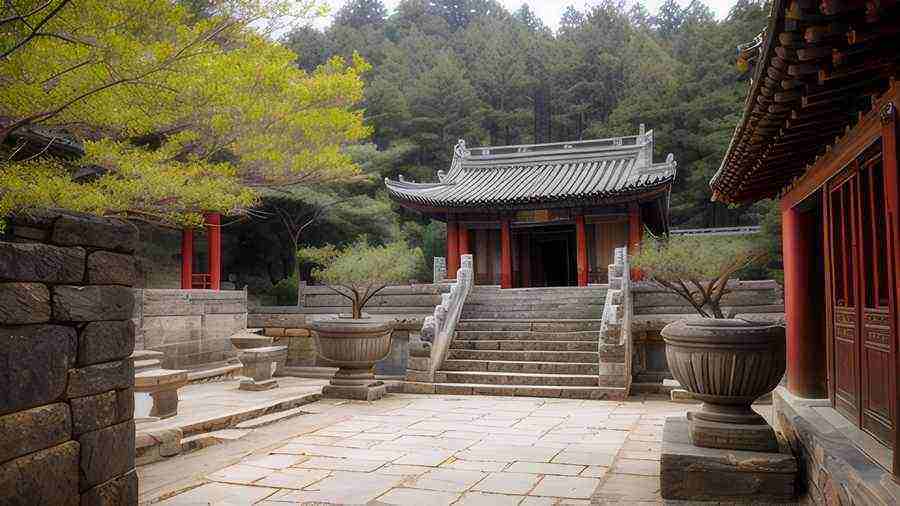
There are two ways to drive in China. One is foreign car entry self-drive: your car is declared at a land port such as Mohan or Khorgos, gets a temporary plate, and the paperwork is finished at the port. The other is renting a car in China as a foreigner: you fly in, collect a car in Wutai Mountain, and need only a passport, your home licence and a Chinese temporary licence. This Shanxi route works for both.
Route overview
- Day 1: Wutai Mountain – Yingxian, 85 km — Yingxianmuta Temple, Jingtusi Temple
- Day 2: Yingxian in depth — Yingxianmuta Temple, Jingtusi Temple
- Day 3: Yingxian – Yungang, 75 km — Yungangshiku Site, Shikuyishuguan Site
- Day 4: Yungang in depth — Yungangshiku Site, Shikuyishuguan Site
- Day 5: Yungang – Shuozhou, 130 km — Chongfusi Temple, Mayihanmu Memorial Hall
- Day 6: Shuozhou in depth — Chongfusi Temple, Mayihanmu Memorial Hall
- Day 7: Shuozhou – Datong, 135 km — Huayansi Temple, Datongguchengqiang Great Wall Pass
- Day 8: Datong in depth — Huayansi Temple, Jiulongbi Site, Datongguchengqiang Great Wall Pass
- Day 9: Datong – Xinzhou, 235 km — Yuwangdong Cave, Diaochanguli Memorial Hall
- Day 10: Xinzhou in depth — Yuwangdong Cave, Diaochanguli Memorial Hall
- Day 11: Xinzhou – Daixian, 90 km — Yanmenguan Great Wall Pass, Bianjinglou Site
- Day 12: Daixian – Zuoquan, 275 km — Matianbalujunzongbu Memorial Hall, Longquangongyuan Waterfall
- Day 13: Zuoquan – Changzhi, 125 km — Shangdangmen Site, Taixingshuixiang Site
- Day 14: Changzhi – Wutai Mountain, 385 km — Wanshangdaoshiqu Site
1535 kilometres over 14 days, an average of 110 km a day. Easy going and fine for a first trip in China, with room left at the sights.
Day 1: Wutai Mountain – Yingxian, 85KM
Road
A short leg, 85 kilometres, about an hour, good surface and mostly two lanes with villages where scooters appear, so slow on approach. The land here is Shanxi: 黄土高原沟壑地带. If you are on a foreign car entry self-drive trip, the temporary plate issued at the port must be displayed inside the windscreen front and rear; show plate and temporary licence at a check.
Sights
Yingxianmuta Temple has a modest gate, then stone steps between cypress. Statues in the main hall are old, paint mostly gone, wood core showing. Incense burns daily and the yard fills on the first and fifteenth of the lunar month. An old well and several steles record rebuilds. Light inside is dim, stand a moment before walking in, keep your voice down and do not touch the lacquer.
Jingtusi Temple sits at the foot of the hill in three courtyards: gate, main hall, rear hall, side halls for other deities. Beams are original with traces of painted decoration. Steles carry the founding year. Incense traffic is light, which suits slow looking. Sills are high, lift your feet. An old caretaker keeps the place and tells the story better than the signs.
Food
In Yingxian, start with knife-cut noodles, Shanxi oat rolls, mutton offal soup. On driving days pick a small place full of locals, order two hot dishes and a soup. Portions are generous, so order less than you think.
Where to stay
Tonight is a guesthouse in Yingxian, with a yard where the car fits and an owner who explains tomorrow's road. Clean, hot water reliable, price fair.
Day 2: Yingxian in depth
Road
No driving today: explore Yingxian on foot or by taxi, the centre is slow with junctions and parking is tight, so leave the car at the hotel. The land here is Shanxi: 黄土高原沟壑地带.
Sights
Yingxianmuta Temple sits at the foot of the hill in three courtyards: gate, main hall, rear hall, side halls for other deities. Beams are original with traces of painted decoration. Steles carry the founding year. Incense traffic is light, which suits slow looking. Sills are high, lift your feet. An old caretaker keeps the place and tells the story better than the signs.
Jingtusi Temple has a modest gate, then stone steps between cypress. Statues in the main hall are old, paint mostly gone, wood core showing. Incense burns daily and the yard fills on the first and fifteenth of the lunar month. An old well and several steles record rebuilds. Light inside is dim, stand a moment before walking in, keep your voice down and do not touch the lacquer.
Food
In Yingxian, start with knife-cut noodles, Shanxi oat rolls, mutton offal soup. On driving days pick a small place full of locals, order two hot dishes and a soup. The food is hearty and keeps you awake for the afternoon leg.
Where to stay
A business hotel in Yingxian town, twin room with private bathroom, parking below, restaurants within walking distance.
Day 3: Yingxian – Yungang, 75KM
Road
75 kilometres of easy road, villages one after another, speed limits change often. The land here is Shanxi: 黄土高原沟壑地带.
Sights
Yungangshiku Site is worth a stop on a driving day rather than a destination. One main sight, few facilities, good light and open ground. Park neatly and do not block a doorway.
Shikuyishuguan Site is worth a stop on a driving day rather than a destination. One main sight, few facilities, good light and open ground. Park neatly and do not block a doorway.
Toilets are at visitor centres and main nodes and thin out deeper in, so go before the climb.
Food
In Yungang, start with knife-cut noodles, Shanxi oat rolls, mutton offal soup. On driving days pick a small place full of locals, order two hot dishes and a soup. Locals eat simply and well, and the bill stays modest.
Where to stay
A family inn at the gate of Yungang, plain rooms kept clean, mountains outside the window. Parking in the yard, quiet at night.
Day 4: Yungang in depth
Road
No driving today: explore Yungang on foot or by taxi, the centre is slow with junctions and parking is tight, so leave the car at the hotel. The land here is Shanxi: 黄土高原沟壑地带.
Sights
Yungangshiku Site is a known local spot that residents visit at weekends. Small enough for an hour, and the interest is in detail: worn walls, stone steps, a stele under a tree. Crowded at peak times, quieter early or late. Snacks and toilets nearby, park on the roadside without blocking the lane.
Shikuyishuguan Site is a known local spot that residents visit at weekends. Small enough for an hour, and the interest is in detail: worn walls, stone steps, a stele under a tree. Crowded at peak times, quieter early or late. Snacks and toilets nearby, park on the roadside without blocking the lane.
Food
In Yungang, start with knife-cut noodles, Shanxi oat rolls, mutton offal soup. On driving days pick a small place full of locals, order two hot dishes and a soup. Flavours run strong, so ask about chilli before ordering.
Where to stay
Tonight is a guesthouse in Yungang, with a yard where the car fits and an owner who explains tomorrow's road. Clean, hot water reliable, price fair.
Day 5: Yungang – Shuozhou, 130KM
Road
130 kilometres mostly asphalt with one stretch under repair and single-lane working, a fifteen-minute wait is normal. The land here is Shanxi: 黄土高原沟壑地带.
Sights
Chongfusi Temple has a modest gate, then stone steps between cypress. Statues in the main hall are old, paint mostly gone, wood core showing. Incense burns daily and the yard fills on the first and fifteenth of the lunar month. An old well and several steles record rebuilds. Light inside is dim, stand a moment before walking in, keep your voice down and do not touch the lacquer.
Mayihanmu Memorial Hall is a memorial complex: statues at the entrance, then rooms by period. Cases hold photographs, letters and everyday objects; reading slowly takes you in. A fifteen-minute film explains what happened and why. Quiet inside, stop children running, bags go through a scanner. A wall of names near the exit is densely carved. Parking behind the building, closed on many Mondays, check hours first.
Food
In Shuozhou, start with knife-cut noodles, Shanxi oat rolls, mutton offal soup. On driving days pick a small place full of locals, order two hot dishes and a soup. Portions are generous, so order less than you think.
Where to stay
A business hotel in Shuozhou town, twin room with private bathroom, parking below, restaurants within walking distance.
Day 6: Shuozhou in depth
Road
No driving today: explore Shuozhou on foot or by taxi, the centre is slow with junctions and parking is tight, so leave the car at the hotel. The land here is Shanxi: 黄土高原沟壑地带.
Sights
Chongfusi Temple sits at the foot of the hill in three courtyards: gate, main hall, rear hall, side halls for other deities. Beams are original with traces of painted decoration. Steles carry the founding year. Incense traffic is light, which suits slow looking. Sills are high, lift your feet. An old caretaker keeps the place and tells the story better than the signs.
Mayihanmu Memorial Hall is restored on its original site, walls and old rooms kept as they were, displays across several buildings. Panels state what people did and in which year, no adjectives. Window light makes grey days hard, carry a small torch. Tools of the period remain, iron rusted, wood cracked. Free entry with passport registration; join a guide group for fifteen minutes and you learn faster.
Food
In Shuozhou, start with knife-cut noodles, Shanxi oat rolls, mutton offal soup. On driving days pick a small place full of locals, order two hot dishes and a soup. The food is hearty and keeps you awake for the afternoon leg.
Where to stay
A family inn at the gate of Shuozhou, plain rooms kept clean, mountains outside the window. Parking in the yard, quiet at night.
Day 7: Shuozhou – Datong, 135KM
Road
135 kilometres, two to two and a half hours, flat road first then hills with continuous bends, oncoming traffic takes the inside line. The land here is Shanxi: 黄土高原沟壑地带.
Sights
Huayansi Temple has a modest gate, then stone steps between cypress. Statues in the main hall are old, paint mostly gone, wood core showing. Incense burns daily and the yard fills on the first and fifteenth of the lunar month. An old well and several steles record rebuilds. Light inside is dim, stand a moment before walking in, keep your voice down and do not touch the lacquer.
Datongguchengqiang Great Wall Pass keeps original brickwork along the ridge, repaired layers visible beside older stone, watchtowers linked by parapet. The climb to the first tower takes about twenty minutes, steps steep and handrails old, keep to the inner side where there is no fence. From the top you see villages on both sides of the pass, and on a clear day the ridge runs for kilometres. Go before mid-morning for side light. Parking sits below with a short climb to the wall.
Food
In Datong, start with knife-cut noodles, Shanxi oat rolls, mutton offal soup. On driving days pick a small place full of locals, order two hot dishes and a soup. Locals eat simply and well, and the bill stays modest.
Where to stay
Tonight is a guesthouse in Datong, with a yard where the car fits and an owner who explains tomorrow's road. Clean, hot water reliable, price fair.
Day 8: Datong in depth
Road
No driving today: explore Datong on foot or by taxi, the centre is slow with junctions and parking is tight, so leave the car at the hotel. The land here is Shanxi: 黄土高原沟壑地带.
Sights
Huayansi Temple sits at the foot of the hill in three courtyards: gate, main hall, rear hall, side halls for other deities. Beams are original with traces of painted decoration. Steles carry the founding year. Incense traffic is light, which suits slow looking. Sills are high, lift your feet. An old caretaker keeps the place and tells the story better than the signs.
Jiulongbi Site is a known local spot that residents visit at weekends. Small enough for an hour, and the interest is in detail: worn walls, stone steps, a stele under a tree. Crowded at peak times, quieter early or late. Snacks and toilets nearby, park on the roadside without blocking the lane.
Datongguchengqiang Great Wall Pass is a preserved pass: gate, barbican and ramps intact, the outer parapet a step lower than the inner. Wind has rounded the bricks. Stairs climb on both sides, gradient real, so take time if your knees complain. Standing in the arch shows why the pass sits here, mountain one side, water the other, one road through. Read the panel first and the pieces connect.
Food
In Datong, start with knife-cut noodles, Shanxi oat rolls, mutton offal soup. On driving days pick a small place full of locals, order two hot dishes and a soup. Flavours run strong, so ask about chilli before ordering.
Where to stay
A business hotel in Datong town, twin room with private bathroom, parking below, restaurants within walking distance.
Day 9: Datong – Xinzhou, 235KM
Road
235 kilometres with good surface, passing two county towns where limits drop. The land here is Shanxi: 黄土高原沟壑地带.
Sights
Yuwangdong Cave is a limestone cave, a small mouth opening into a big chamber. Levels stack upward, stalactites hang and formations carry names your eye may dispute. Floors are wet all year, wear grip. Inside is five degrees cooler, a jacket helps in summer. Artificial light skews photographs, flash is pointless. One low passage needs a bent head. Allow ninety minutes with the walk back to the car.
Diaochanguli Memorial Hall is a memorial complex: statues at the entrance, then rooms by period. Cases hold photographs, letters and everyday objects; reading slowly takes you in. A fifteen-minute film explains what happened and why. Quiet inside, stop children running, bags go through a scanner. A wall of names near the exit is densely carved. Parking behind the building, closed on many Mondays, check hours first.
Food
In Xinzhou, start with knife-cut noodles, Shanxi oat rolls, mutton offal soup. On driving days pick a small place full of locals, order two hot dishes and a soup. Portions are generous, so order less than you think.
Where to stay
A family inn at the gate of Xinzhou, plain rooms kept clean, mountains outside the window. Parking in the yard, quiet at night.
Day 10: Xinzhou in depth
Road
No driving today: explore Xinzhou on foot or by taxi, the centre is slow with junctions and parking is tight, so leave the car at the hotel. The land here is Shanxi: 黄土高原沟壑地带.
Sights
Yuwangdong Cave opens halfway up the hillside, a narrow entry then a descent into the main hall. Dripping ceilings face growing stalagmites, curtains of stone hang one after another. Iron rails line the steps, so slow at the turns. Damp air fogs glasses. Fixed spotlights are cool in tone, which helps the texture. Same entrance and exit, about an hour.
Diaochanguli Memorial Hall is restored on its original site, walls and old rooms kept as they were, displays across several buildings. Panels state what people did and in which year, no adjectives. Window light makes grey days hard, carry a small torch. Tools of the period remain, iron rusted, wood cracked. Free entry with passport registration; join a guide group for fifteen minutes and you learn faster.
Food
In Xinzhou, start with knife-cut noodles, Shanxi oat rolls, mutton offal soup. On driving days pick a small place full of locals, order two hot dishes and a soup. The food is hearty and keeps you awake for the afternoon leg.
Where to stay
Tonight is a guesthouse in Xinzhou, with a yard where the car fits and an owner who explains tomorrow's road. Clean, hot water reliable, price fair.
Day 11: Xinzhou – Daixian, 90KM
Road
Only 90 kilometres through town and provincial road, lights and traffic, change lane early at junctions. The land here is Shanxi: 黄土高原沟壑地带.
Sights
Yanmenguan Great Wall Pass is a preserved pass: gate, barbican and ramps intact, the outer parapet a step lower than the inner. Wind has rounded the bricks. Stairs climb on both sides, gradient real, so take time if your knees complain. Standing in the arch shows why the pass sits here, mountain one side, water the other, one road through. Read the panel first and the pieces connect.
Bianjinglou Site is a known local spot that residents visit at weekends. Small enough for an hour, and the interest is in detail: worn walls, stone steps, a stele under a tree. Crowded at peak times, quieter early or late. Snacks and toilets nearby, park on the roadside without blocking the lane.
Food
In Daixian, start with knife-cut noodles, Shanxi oat rolls, mutton offal soup. On driving days pick a small place full of locals, order two hot dishes and a soup. Locals eat simply and well, and the bill stays modest.
Where to stay
A business hotel in Daixian town, twin room with private bathroom, parking below, restaurants within walking distance.
Day 12: Daixian – Zuoquan, 275KM
Road
275 kilometres with good surface, passing two county towns where limits drop. The land here is Shanxi: 黄土高原沟壑地带.
Sights
Matianbalujunzongbu Memorial Hall is restored on its original site, walls and old rooms kept as they were, displays across several buildings. Panels state what people did and in which year, no adjectives. Window light makes grey days hard, carry a small torch. Tools of the period remain, iron rusted, wood cracked. Free entry with passport registration; join a guide group for fifteen minutes and you learn faster.
Longquangongyuan Waterfall is not the tallest fall here but the water is wide, white surf churning below. A stone parapet circles the pool; stand close and you get wet. Upstream a shallow ford runs ankle deep, slippery, cross carefully. Trees keep summer heat off, winter shade freezes. Carts run from the entrance. The roar drowns talk, so raise your voice and hold the camera steady.
Food
In Zuoquan, start with knife-cut noodles, Shanxi oat rolls, mutton offal soup. On driving days pick a small place full of locals, order two hot dishes and a soup. Flavours run strong, so ask about chilli before ordering.
Where to stay
A family inn at the gate of Zuoquan, plain rooms kept clean, mountains outside the window. Parking in the yard, quiet at night.
Day 13: Zuoquan – Changzhi, 125KM
Road
125 kilometres, two to two and a half hours, flat road first then hills with continuous bends, oncoming traffic takes the inside line. The land here is Shanxi: 黄土高原沟壑地带.
Sights
Shangdangmen Site is worth a stop on a driving day rather than a destination. One main sight, few facilities, good light and open ground. Park neatly and do not block a doorway.
Taixingshuixiang Site is worth a stop on a driving day rather than a destination. One main sight, few facilities, good light and open ground. Park neatly and do not block a doorway.
Toilets are at visitor centres and main nodes and thin out deeper in, so go before the climb.
Food
In Changzhi, start with knife-cut noodles, Shanxi oat rolls, mutton offal soup. On driving days pick a small place full of locals, order two hot dishes and a soup. Portions are generous, so order less than you think.
Where to stay
Tonight is a guesthouse in Changzhi, with a yard where the car fits and an owner who explains tomorrow's road. Clean, hot water reliable, price fair.
Day 14: Changzhi – Wutai Mountain, 385KM
Road
385 kilometres of long straights where drowsiness sets in, stop every two hours, swap drivers or walk a few steps. The land here is Shanxi: 黄土高原沟壑地带.
Sights
Wanshangdaoshiqu Site is a known local spot that residents visit at weekends. Small enough for an hour, and the interest is in detail: worn walls, stone steps, a stele under a tree. Crowded at peak times, quieter early or late. Snacks and toilets nearby, park on the roadside without blocking the lane.
Shoot in the side light of morning or evening; midday flat light makes portraits squint.
Food
In Wutai Mountain, start with knife-cut noodles, Shanxi oat rolls, mutton offal soup. On driving days pick a small place full of locals, order two hot dishes and a soup. The food is hearty and keeps you awake for the afternoon leg.
Where to stay
A business hotel in Wutai Mountain town, twin room with private bathroom, parking below, restaurants within walking distance.
Trip tips
- Paperwork: carry your passport; hotels and ticket desks ask for it. China does not accept an international licence, so your home licence needs a Chinese translation and then a Chinese temporary licence.
- Install WeChat and Amap; fuel, parking and tickets are mostly paid by QR code.
- Fuel: fill up before the hills, stations are far apart and some take only cash or WeChat.
- Weather: In November northern mornings are already cold, with thin ice possible at passes and in shade; check road conditions each morning.
- Driving habits: slow through villages, no overtaking on bends, avoid mountain roads after dark, show documents calmly at checks.
- Whether you are on foreign car entry self-drive or in a rental, the whole route is asphalt and an ordinary saloon is enough.
About this route
Distances are the sum of the daily figures and the navigation will differ by twenty or thirty kilometres; lodging and ticket times change with the season, so confirm before departure. Every node comes from the route database, with no inserted sights.
At the end of the loop, 1535 kilometres is not the hard part; the time goes on stopping to eat and to look. Park properly, walk slowly, and the meals and roadside views become the point of the trip.