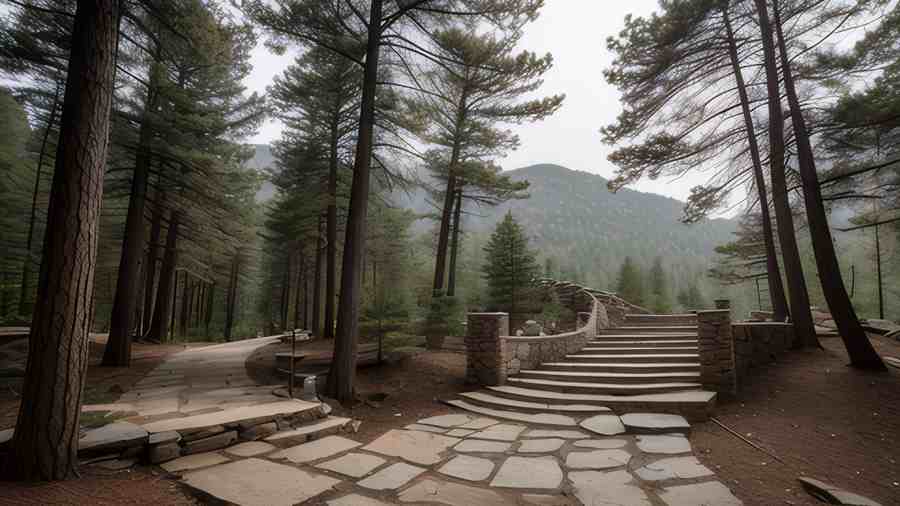
There are two ways to drive in China. One is foreign car entry self-drive: your car is declared at a land port such as Mohan or Khorgos, gets a temporary plate, and the paperwork is finished at the port; the vehicle is your own. The other is renting a car in China as a foreigner: you fly in, collect a car in Pingyao, and all you need is a passport, your home licence and a Chinese temporary licence. This Shanxi route works for both; the only difference is where the car comes from.
Trip overview
- Day 1: Pingyao – Jiexiu, 35 km: Mianshan Mountain, Zhangbigubao Old Town
- Day 2: Jiexiu: Mianshan Mountain, Zhangbigubao Old Town
- Day 3: Jiexiu – Zuoquan, 160 km: Matianbalujunzongbu Memorial Hall, Longquangongyuan Park
- Day 4: Zuoquan: Matianbalujunzongbu Memorial Hall, Longquangongyuan Park
- Day 5: Zuoquan – Lingchuan, 190 km: Wangmangling Mountain, Xiyagouguabigonglu Gorge
- Day 6: Lingchuan – Pingyao, 260 km: return leg
645 km in 6 days, 108 km a day on average. Easy going, suitable for a first drive in China, with slack between the sights.
Day 1: Pingyao – Jiexiu, 35KM
Road
A short leg, 35 kilometres, about an hour, good surface and mostly two lanes, with villages and junctions where scooters and pedestrians appear, so slow down on approach. Set the navigation before leaving and watch for limits and no-U-turn stretches in town. If you are on a foreign car entry self-drive trip, the temporary plate issued at the port must be displayed inside the windscreen front and rear; show the plate and your temporary licence at a check and there is nothing to worry about.
Sights
Mianshan Mountain is not a high mountain, but its shape is complete, with a single trail from the valley to the top and a stream running beside it most of the way. A platform halfway up is the place to take photos: on a clear day you see range after range, and in mist only a few trees, which is also worth looking at. The temple at the top is quiet rather than busy, with a few elderly locals sitting under the eaves. Two flights of steps are steep and slippery after rain, so wear shoes with grip. Come down by the other loop trail, gentler, with stone benches to rest on; three hours round trip, and start back before three in the afternoon. Zhangbigubao Old Town old street is short, lined with old houses, brick walls, wooden doors and stone paving, lanterns under the eaves. Most shops belong to locals selling vinegar, cloth and snacks; the ones that do not shout are usually the better ones. Side alleys lead to old courtyards with brick carving over the gate, ask before entering. The town wall and gates survive, and some bricks carry the maker's mark from the kiln. Lanterns come on at dusk and the paving reflects the light, the best hour. Park outside, no cars in the street.
Food
Around Jiexiu eat what the region is known for: knife-cut noodles, cat-ear pasta, oat rolls steamed in willow baskets, and dishes dressed with aged vinegar. Locals eat breakfast in the side alleys; a shop with scooters parked outside is usually a good sign.
Where to stay
A guesthouse in Jiexiu for the night, courtyard big enough for the car and the owner will sketch tomorrow's route. Not luxurious, but clean, hot water reliable, fair price.
Day 2: Jiexiu
Road
A rest day: Jiexiu and its surroundings at an easy pace, everything within a few kilometres, no luggage to move and no schedule to keep.
Sights
Mianshan Mountain is the most substantial mountain on this stretch. The path starts on a gentle slope, then turns into stone steps halfway up, well built and manageable even for older walkers. Pine and oak cover the slopes, green in spring and rust-red in autumn, and a viewing platform halfway up takes in the whole ridge line and the villages below. There is usually a small temple or pavilion at the summit; it is windy up there, so bring a jacket. The cable car takes about ten minutes one way, while walking up takes ninety minutes, so riding up and walking down suits most people. Mountain weather changes quickly: clear in the morning, misty by afternoon, with cloud drifting up from the valley floor. Zhangbigubao Old Town follows a stream, white walls and dark tiles, stepped gables rising one above another. The paving is narrow with little channels down either side where water runs. Several old houses open their doors, courtyards with fish tanks and pomegranate trees, step quietly inside. A covered bridge crosses the stream where people sit and talk, washing below. Early morning is quiet enough to hear the water; by ten the tour groups arrive and the alleys fill. The village car park charges per visit, five minutes on foot.
Food
Around Jiexiu eat what the region is known for: knife-cut noodles, cat-ear pasta, oat rolls steamed in willow baskets, and dishes dressed with aged vinegar. Restaurants at the gate cost more; two streets into town the same dishes are a third cheaper.
Where to stay
Near the Jiexiu entrance so you can walk in next morning without an early start. On-site lodging costs more but saves parking and queueing. Families should pick one with a yard.
Day 3: Jiexiu – Zuoquan, 160KM
Road
About 160 kilometres, two to three hours, provincial and county roads first, then motorway. The terrain is Shanxi, with bends but nothing tight, and long descents where you should use a low gear rather than the brakes. The riverside road has water on one side and rock on the other, fine views but no distractions, with rockfall warnings at the bends.
Sights
Matianbalujunzongbu Memorial Hall is a former residence kept as it was, rooms and furniture in their original arrangement. Photographs and copies of manuscripts hang on the walls, the labels detailed. Nothing may be touched, view from behind the rope. The courtyard is small, twenty minutes to walk through, longer if you read everything. An old tree at the gate gives shade in summer. The ticket includes a guide, and following one fills in a lot of detail. Longquangongyuan Park is the city's green space, a lake in the middle, a loop path where people run and practise tai chi at dawn. The trees are decades old and the shade joins up in summer. Pavilions and covered corridors where old men play chess and sing opera. Free entry, no queue. Car park at the east gate is small, come early. An easy circuit of forty minutes, or sit all afternoon. Ducks and carp in the lake, feed sold on site.
Food
Around Zuoquan eat what the region is known for: knife-cut noodles, cat-ear pasta, oat rolls steamed in willow baskets, and dishes dressed with aged vinegar. Flavours run strong, so say if you cannot take chilli and the kitchen will usually adapt.
Where to stay
Stay on the edge of old Zuoquan, restaurants at the door and an evening walk without driving back. Use the underground car park, hourly rate, ask about the overnight charge.
Day 4: Zuoquan
Road
A full day around Zuoquan, park the car and walk the rest. Main sights in the morning, a slow afternoon, back before dark.
Sights
Matianbalujunzongbu Memorial Hall is a memorial hall: a group of statues at the entrance, then rooms arranged by period. Cases hold old photos, letters and everyday objects, not much text, but reading slowly takes you in. A short film of about fifteen minutes explains what happened and why, worth sitting through. Quiet inside, keep voices down and stop children running. Free entry, register with passport, bags through a scanner. Sit in the courtyard afterwards, a few old pines there. Nothing to eat nearby, wait until you are back in town. Longquangongyuan Park is built into the slope, paths and woodland up and down, plenty of steps and a bit of effort. A platform at the top looks over the city rooftops. Several old buildings remain, walls covered in vines. Best in spring blossom and autumn colour. Cheap ticket, opens at six. Car park at the south gate fills on holidays.
Food
Around Zuoquan eat what the region is known for: knife-cut noodles, cat-ear pasta, oat rolls steamed in willow baskets, and dishes dressed with aged vinegar. Ask the price first: much is sold by weight, especially seafood and mutton.
Where to stay
Stay in Zuoquan town, a hotel with parking, easy for dinner in the evening and quick onto the road next morning. Weekday rates are lower than weekends, check that parking is included.
Day 5: Zuoquan – Lingchuan, 190KM
Road
About 190 kilometres, two to three hours, provincial and county roads first, then motorway. The terrain is Shanxi, with bends but nothing tight, and long descents where you should use a low gear rather than the brakes. The road here is a provincial highway joining a county road: two lanes, good surface, the occasional lorry, so look well ahead before overtaking.
Sights
Wangmangling Mountain is not a high mountain, but its shape is complete, with a single trail from the valley to the top and a stream running beside it most of the way. A platform halfway up is the place to take photos: on a clear day you see range after range, and in mist only a few trees, which is also worth looking at. The temple at the top is quiet rather than busy, with a few elderly locals sitting under the eaves. Two flights of steps are steep and slippery after rain, so wear shoes with grip. Come down by the other loop trail, gentler, with stone benches to rest on; three hours round trip, and start back before three in the afternoon. Xiyagouguabigonglu Gorge is a long narrow gorge with cliffs on both sides and a stream down the middle, the path pinned to the foot of the rock. The approach is asphalt at first, then stone slabs; park at the mouth and walk in. Light inside is dim even at noon, only a strip of sky overhead, cool in summer and no sweat on the walk. The stream is clear enough to see the pebbles, with a few shallows where you can step down. Vines hang from the walls and small springs drip through the cracks after rain. A platform halfway in is the place to rest, then steps climb to the rim. Two to three hours round trip, bring water, nothing is sold inside.
Food
Around Lingchuan eat what the region is known for: knife-cut noodles, cat-ear pasta, oat rolls steamed in willow baskets, and dishes dressed with aged vinegar. Locals eat breakfast in the side alleys; a shop with scooters parked outside is usually a good sign.
Where to stay
A guesthouse in Lingchuan for the night, courtyard big enough for the car and the owner will sketch tomorrow's route. Not luxurious, but clean, hot water reliable, fair price.
Day 6: Lingchuan – Pingyao, 260KM
Road
260 kilometres, around four hours, mostly motorway with a mountain stretch and several tunnels. Fill up before leaving, service areas are far apart, so carry water and something to eat. Out of town it is motorway, good surface, limit of a hundred, service areas every few dozen kilometres for fuel and a break.
Sights
This is mostly a driving day and the scenery is what passes the window: around Pingyao the land is Shanxi, fields and scattered villages, an old tree at a village mouth, grain drying in the sun. Pull over where it is safe and walk a little, look at the fields and the hills behind, take a few photographs. The real sights come tomorrow; today the job is to drive steadily and reach the guesthouse on time.
Food
Around Pingyao eat what the region is known for: knife-cut noodles, cat-ear pasta, oat rolls steamed in willow baskets, and dishes dressed with aged vinegar. Restaurants at the gate cost more; two streets into town the same dishes are a third cheaper.
Where to stay
Near the Pingyao entrance so you can walk in next morning without an early start. On-site lodging costs more but saves parking and queueing. Families should pick one with a yard.
Tips for the drive
- Documents: carry your passport, hotels and ticket desks ask for it. China does not accept an international driving permit; your home licence needs a Chinese translation and a Chinese temporary licence from the vehicle office.
- Install WeChat and a Chinese map app; fuel, parking and tickets are mostly paid by QR code, cash only at small stalls.
- Fuel: fill up before entering the mountains, stations are far apart and some take cash or WeChat only.
- Weather: in November the north is already cold, ice can linger on shaded bends; the south is mild by day and cool at night, so bring rain gear.
- Driving habits: slow through villages, never overtake on bends, avoid mountain roads after dark, and show your documents politely at a check.
- Whether you are on a foreign car entry self-drive trip or renting locally, the whole route is asphalt, an ordinary saloon car is enough, no 4x4 needed.
About this route
Distances are the sum of the daily figures and an estimate; navigation will differ by twenty or thirty kilometres either way. Lodging and ticket hours shift with the season, so confirm before setting out. Every stop here comes from the route library entry, nothing added on the way.
By the end of the loop the numbers matter less than the meals and the stretches of road between them. Park the car, walk slowly.