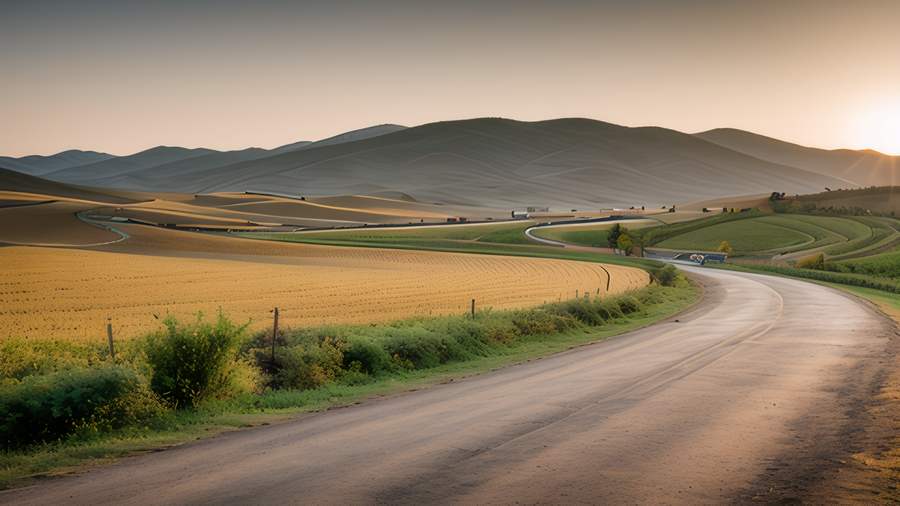
There are two ways to drive in China. One is foreign car entry self-drive: your car is declared at a land port such as Mohan or Khorgos, gets a temporary plate, and the paperwork is finished at the port. The other is renting a car in China as a foreigner: you fly in, collect a car in Ordos, and need only a passport, your home licence and a Chinese temporary licence. This Inner Mongolia route works for both.
Route overview
- Day 1: Ordos – Xiangshawan, 85 km — Xiangshawanshamo Site, Shamosuodao Site
- Day 2: Xiangshawan in depth — Xiangshawanshamo Site, Shamosuodao Site
- Day 3: Xiangshawan – Baotou, 60 km — Beifangbingqicheng Site, Saihantala Temple
- Day 4: Baotou in depth — Wudangzhao Site, Beifangbingqicheng Site, Saihantala Temple
- Day 5: Baotou – Bayannur, 250 km — Huangheshuilifengjingqu Scenic Area, Jinghu Lake
- Day 6: Bayannur in depth — Huangheshuilifengjingqu Scenic Area, Jinghu Lake
- Day 7: Bayannur – Wuhai, 160 km — Wuhaihu Lake, Gandeershan Mountain
- Day 8: Wuhai in depth — Wuhaihu Lake, Gandeershan Mountain
- Day 9: Wuhai – Ordos, 310 km — Wanshangdaoshiqu Site
865 kilometres over 9 days, an average of 96 km a day. Easy going and fine for a first trip in China, with room left at the sights.
Day 1: Ordos – Xiangshawan, 85KM
Road
A short leg, 85 kilometres, about an hour, good surface and mostly two lanes with villages where scooters appear, so slow on approach. The land here is Inner Mongolia: 草原与沙地交错. If you are on a foreign car entry self-drive trip, the temporary plate issued at the port must be displayed inside the windscreen front and rear; show plate and temporary licence at a check.
Sights
Xiangshawanshamo Site is a known local spot that residents visit at weekends. Small enough for an hour, and the interest is in detail: worn walls, stone steps, a stele under a tree. Crowded at peak times, quieter early or late. Snacks and toilets nearby, park on the roadside without blocking the lane.
Shamosuodao Site is a known local spot that residents visit at weekends. Small enough for an hour, and the interest is in detail: worn walls, stone steps, a stele under a tree. Crowded at peak times, quieter early or late. Snacks and toilets nearby, park on the roadside without blocking the lane.
Food
In Xiangshawan, start with boiled mutton, roasted lamb leg, milk tofu. On driving days pick a small place full of locals, order two hot dishes and a soup. Portions are generous, so order less than you think.
Where to stay
Tonight is a guesthouse in Xiangshawan, with a yard where the car fits and an owner who explains tomorrow's road. Clean, hot water reliable, price fair.
Day 2: Xiangshawan in depth
Road
No driving today: explore Xiangshawan on foot or by taxi, the centre is slow with junctions and parking is tight, so leave the car at the hotel. The land here is Inner Mongolia: 草原与沙地交错.
Sights
Xiangshawanshamo Site is worth a stop on a driving day rather than a destination. One main sight, few facilities, good light and open ground. Park neatly and do not block a doorway.
Shamosuodao Site is worth a stop on a driving day rather than a destination. One main sight, few facilities, good light and open ground. Park neatly and do not block a doorway.
Buy tickets at the machine or by QR code, passport works for registration, book online a day early in season.
Food
In Xiangshawan, start with boiled mutton, roasted lamb leg, milk tofu. On driving days pick a small place full of locals, order two hot dishes and a soup. The food is hearty and keeps you awake for the afternoon leg.
Where to stay
A business hotel in Xiangshawan town, twin room with private bathroom, parking below, restaurants within walking distance.
Day 3: Xiangshawan – Baotou, 60KM
Road
60 kilometres of easy road, villages one after another, speed limits change often. The land here is Inner Mongolia: 草原与沙地交错.
Sights
Beifangbingqicheng Site is worth a stop on a driving day rather than a destination. One main sight, few facilities, good light and open ground. Park neatly and do not block a doorway.
Saihantala Temple has a modest gate, then stone steps between cypress. Statues in the main hall are old, paint mostly gone, wood core showing. Incense burns daily and the yard fills on the first and fifteenth of the lunar month. An old well and several steles record rebuilds. Light inside is dim, stand a moment before walking in, keep your voice down and do not touch the lacquer.
Food
In Baotou, start with boiled mutton, roasted lamb leg, milk tofu. On driving days pick a small place full of locals, order two hot dishes and a soup. Locals eat simply and well, and the bill stays modest.
Where to stay
A family inn at the gate of Baotou, plain rooms kept clean, mountains outside the window. Parking in the yard, quiet at night.
Day 4: Baotou in depth
Road
No driving today: explore Baotou on foot or by taxi, the centre is slow with junctions and parking is tight, so leave the car at the hotel. The land here is Inner Mongolia: 草原与沙地交错.
Sights
Wudangzhao Site is worth a stop on a driving day rather than a destination. One main sight, few facilities, good light and open ground. Park neatly and do not block a doorway.
Beifangbingqicheng Site is a known local spot that residents visit at weekends. Small enough for an hour, and the interest is in detail: worn walls, stone steps, a stele under a tree. Crowded at peak times, quieter early or late. Snacks and toilets nearby, park on the roadside without blocking the lane.
Saihantala Temple sits at the foot of the hill in three courtyards: gate, main hall, rear hall, side halls for other deities. Beams are original with traces of painted decoration. Steles carry the founding year. Incense traffic is light, which suits slow looking. Sills are high, lift your feet. An old caretaker keeps the place and tells the story better than the signs.
Food
In Baotou, start with boiled mutton, roasted lamb leg, milk tofu. On driving days pick a small place full of locals, order two hot dishes and a soup. Flavours run strong, so ask about chilli before ordering.
Where to stay
Tonight is a guesthouse in Baotou, with a yard where the car fits and an owner who explains tomorrow's road. Clean, hot water reliable, price fair.
Day 5: Baotou – Bayannur, 250KM
Road
250 kilometres mostly motorway, services every fifty kilometres, stop now and then for driver and car. The land here is Inner Mongolia: 草原与沙地交错.
Sights
Huangheshuilifengjingqu Scenic Area is a large scenic area; shuttles run from the gate to the core sights, frequent but with queues. Signed trails are colour-coded. The key stretch shows how the landscape fits together. Toilets and supplies thin out deeper in. Tickets include the shuttle, cable cars extra. Arrive before eight in season, queues lengthen after ten.
Jinghu Lake is open water with a ring road, lay-bys and viewpoints. Colour shifts with weather. Dawn and dusk are still; midday light is flat. The loop takes an hour; stop when herders move stock across. A few beaches let you walk to wet grass, not deeper. At altitude the sun is strong. Lodging is mostly guesthouses, book ahead in season.
Food
In Bayannur, start with boiled mutton, roasted lamb leg, milk tofu. On driving days pick a small place full of locals, order two hot dishes and a soup. Portions are generous, so order less than you think.
Where to stay
A business hotel in Bayannur town, twin room with private bathroom, parking below, restaurants within walking distance.
Day 6: Bayannur in depth
Road
No driving today: explore Bayannur on foot or by taxi, the centre is slow with junctions and parking is tight, so leave the car at the hotel. The land here is Inner Mongolia: 草原与沙地交错.
Sights
Huangheshuilifengjingqu Scenic Area covers too much for one day, pick two or three points. Take the paper map at the visitor centre. Food inside is pricey, carry snacks. Viewing decks have rails. Low evening light gives depth, but note the last shuttle. Parking charges per entry.
Jinghu Lake combines open water with marsh and reeds, birds outnumbering people. Boardwalks sway slightly, rails at waist height. Hides in quiet corners list the common species. Wind closes sections, follow staff instructions. Car parks are small, keep off the meadow. Evening glare off the water is strong, sunglasses help.
Food
In Bayannur, start with boiled mutton, roasted lamb leg, milk tofu. On driving days pick a small place full of locals, order two hot dishes and a soup. The food is hearty and keeps you awake for the afternoon leg.
Where to stay
A family inn at the gate of Bayannur, plain rooms kept clean, mountains outside the window. Parking in the yard, quiet at night.
Day 7: Bayannur – Wuhai, 160KM
Road
160 kilometres, two to two and a half hours, flat road first then hills with continuous bends, oncoming traffic takes the inside line. The land here is Inner Mongolia: 草原与沙地交错.
Sights
Wuhaihu Lake is open water with a ring road, lay-bys and viewpoints. Colour shifts with weather. Dawn and dusk are still; midday light is flat. The loop takes an hour; stop when herders move stock across. A few beaches let you walk to wet grass, not deeper. At altitude the sun is strong. Lodging is mostly guesthouses, book ahead in season.
Gandeershan Mountain main peak is not the highest but the shape is steep, bare rock like a wall. Two routes: one follows the stream under trees, the other runs the ridge with sun and views. Platforms midway look across the valley. A flat top holds the survey marker. Wet rock is slippery, do not pose at the edge. Parking and shuttle at the base, private cars stop here in season.
Food
In Wuhai, start with boiled mutton, roasted lamb leg, milk tofu. On driving days pick a small place full of locals, order two hot dishes and a soup. Locals eat simply and well, and the bill stays modest.
Where to stay
Tonight is a guesthouse in Wuhai, with a yard where the car fits and an owner who explains tomorrow's road. Clean, hot water reliable, price fair.
Day 8: Wuhai in depth
Road
No driving today: explore Wuhai on foot or by taxi, the centre is slow with junctions and parking is tight, so leave the car at the hotel. The land here is Inner Mongolia: 草原与沙地交错.
Sights
Wuhaihu Lake combines open water with marsh and reeds, birds outnumbering people. Boardwalks sway slightly, rails at waist height. Hides in quiet corners list the common species. Wind closes sections, follow staff instructions. Car parks are small, keep off the meadow. Evening glare off the water is strong, sunglasses help.
Gandeershan Mountain climbs in continuous bends, oncoming traffic takes the inside line. Cable car and trail split; on foot about two hours, steps cut in rock, some very steep, handrails are chain. The summit opens a wide view of towns and farther ridges, and cloud can wipe it out in minutes. Temperature drops with height. Buy water below. Descend by the other trail or take the cable car.
Food
In Wuhai, start with boiled mutton, roasted lamb leg, milk tofu. On driving days pick a small place full of locals, order two hot dishes and a soup. Flavours run strong, so ask about chilli before ordering.
Where to stay
A business hotel in Wuhai town, twin room with private bathroom, parking below, restaurants within walking distance.
Day 9: Wuhai – Ordos, 310KM
Road
310 kilometres with good surface, passing two county towns where limits drop. The land here is Inner Mongolia: 草原与沙地交错.
Sights
Wanshangdaoshiqu Site is worth a stop on a driving day rather than a destination. One main sight, few facilities, good light and open ground. Park neatly and do not block a doorway.
Drones need permission in most scenic areas and no-fly zones are enforced.
Carry a thin jacket; hills and shade are cooler than town and the wind proves it.
Food
In Ordos, start with boiled mutton, roasted lamb leg, milk tofu. On driving days pick a small place full of locals, order two hot dishes and a soup. Portions are generous, so order less than you think.
Where to stay
A family inn at the gate of Ordos, plain rooms kept clean, mountains outside the window. Parking in the yard, quiet at night.
Trip tips
- Paperwork: carry your passport; hotels and ticket desks ask for it. China does not accept an international licence, so your home licence needs a Chinese translation and then a Chinese temporary licence.
- Install WeChat and Amap; fuel, parking and tickets are mostly paid by QR code.
- Fuel: fill up before the hills, stations are far apart and some take only cash or WeChat.
- Weather: On the plateau the day-night range is wide, sun strong by day, cold at night; prepare for both.
- Driving habits: slow through villages, no overtaking on bends, avoid mountain roads after dark, show documents calmly at checks.
- Whether you are on foreign car entry self-drive or in a rental, the whole route is asphalt and an ordinary saloon is enough.
About this route
Distances are the sum of the daily figures and the navigation will differ by twenty or thirty kilometres; lodging and ticket times change with the season, so confirm before departure. Every node comes from the route database, with no inserted sights.
At the end of the loop, 865 kilometres is not the hard part; the time goes on stopping to eat and to look. Park properly, walk slowly, and the meals and roadside views become the point of the trip.