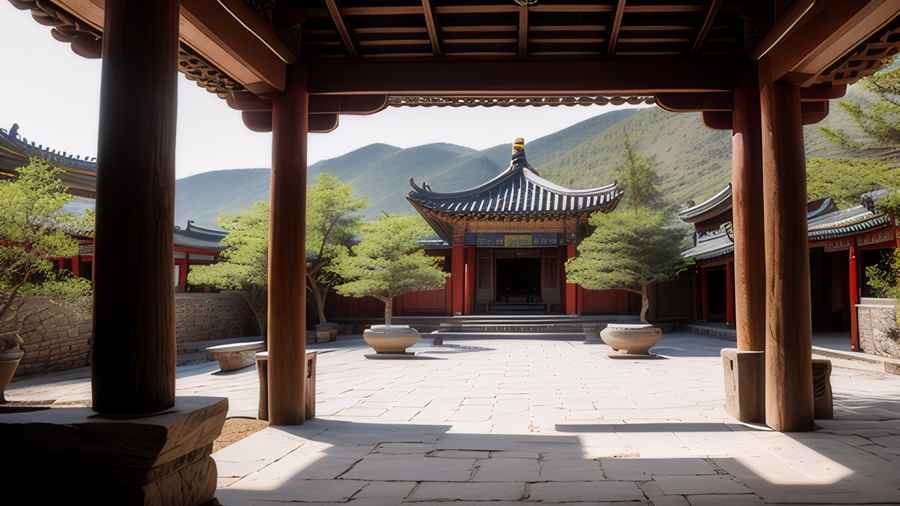
There are two ways to drive in China. One is foreign car entry self-drive: the car is declared in at a land port such as Mohan or Khorgos, gets a temporary plate, the paperwork is finished at the border, and the car stays yours. The other is renting a car in China as a foreigner: you fly in, collect a car in 呼和浩特, and need only a passport, your home licence and a Chinese temporary licence. This Inner Mongolia route suits both; the only difference is where the car comes from.
Route at a glance
- Day 1: 呼和浩特—包头 200 km — 五当召, 北方兵器城
- Day 2: 包头, in place — 五当召, 北方兵器城, 赛汗塔拉
- Day 3: 包头—鄂尔多斯 145 km — 康巴什新区, 成吉思汗陵
- Day 4: 鄂尔多斯, in place — 康巴什新区, 成吉思汗陵
- Day 5: 鄂尔多斯—乌兰察布 395 km — 辉腾锡勒草原, 黄花沟
- Day 6: 乌兰察布, in place — 辉腾锡勒草原, 黄花沟
- Day 7: 乌兰察布—二连浩特 375 km — 国门景区, 恐龙地质公园
- Day 8: 二连浩特, in place — 国门景区, 恐龙地质公园
- Day 9: 二连浩特—呼和浩特 380 km
1495 km over 9 days, roughly 166 km a day, with the rest of the time left for sights, food and sleep. The loop starts and ends in 呼和浩特, so there is no doubling back.
Day 1: 呼和浩特—包头 200 km
Road
呼和浩特 to 包头 is 200 km, mostly expressway, two and a half to three hours with the run in and out of town. A long east-west strip of grassland and sand, with strong winds. Leaving in the morning works best; stop at a service area around midday and take a break every two hours. If you arrive early, head straight for a multi-storey car park, kerbside spaces are hard to find. One note for drivers on their own car: foreign car entry self-drive traffic uses the manned toll lane throughout, and a temporary plate makes it simplest, card or QR either way.
Sights
五当召 is the busiest religious site in this district, its stone steps worn smooth by footsteps. The rules are simple: hat off, no photography inside the halls, quiet voice, and stand aside when a service is under way. Main hall beams are old timber and the bracket sets are worth looking up at; side halls hold different images. Local people come to burn incense, tourists are fewer. There is usually an old tree in the yard with its age on a plaque, shading half the courtyard in summer. A pagoda grove or stele corridor sometimes sits behind, ten minutes walk and very quiet. Entry is cheap or free, and incense is available inside, so nothing pricey is needed at the gate. 北方兵器城 is a stop of modest size, half an hour to an hour on foot. The point is not to hurry: park, walk slowly, and let the pace of the last few days drop. Signs and roads around it are clear, so following them will not take you astray. Off season it is quiet and good for photos and a rest; in season parking fills, so arrive early. Small local restaurants nearby cook plain food at fair prices. An hour here is enough, then back on the road.
Food
Hand-cut mutton, milk tea, oat noodles and roast lamb leg are the standbys in Inner Mongolia. In 包头 look for small places with local cars outside and full tables within, where price and taste are both steady. Ask before ordering anything sold by weight, and check that seafood is fresh that day.
Where to stay
Lodging in 包头 means county hotels and guesthouses. Chain hotels have parking and clean rooms at well below in-park rates; guesthouses near the gate have bigger yards and suit families. Rates jump at weekends and in season, so book ahead.
Day 2: 包头, in place
Road
A day in 包头 itself, so the car stays parked; walking or a taxi covers everything. A long east-west strip of grassland and sand, with strong winds. Sights sit close together, two or three is enough for a day, and there is no point spending it all behind the wheel.
Sights
五当召 is the busiest religious site in this district, its stone steps worn smooth by footsteps. The rules are simple: hat off, no photography inside the halls, quiet voice, and stand aside when a service is under way. Main hall beams are old timber and the bracket sets are worth looking up at; side halls hold different images. Local people come to burn incense, tourists are fewer. There is usually an old tree in the yard with its age on a plaque, shading half the courtyard in summer. A pagoda grove or stele corridor sometimes sits behind, ten minutes walk and very quiet. Entry is cheap or free, and incense is available inside, so nothing pricey is needed at the gate. 北方兵器城 is a stop of modest size, half an hour to an hour on foot. The point is not to hurry: park, walk slowly, and let the pace of the last few days drop. Signs and roads around it are clear, so following them will not take you astray. Off season it is quiet and good for photos and a rest; in season parking fills, so arrive early. Small local restaurants nearby cook plain food at fair prices. An hour here is enough, then back on the road. 赛汗塔拉 is the busiest religious site in this district, its stone steps worn smooth by footsteps. The rules are simple: hat off, no photography inside the halls, quiet voice, and stand aside when a service is under way. Main hall beams are old timber and the bracket sets are worth looking up at; side halls hold different images. Local people come to burn incense, tourists are fewer. There is usually an old tree in the yard with its age on a plaque, shading half the courtyard in summer. A pagoda grove or stele corridor sometimes sits behind, ten minutes walk and very quiet. Entry is cheap or free, and incense is available inside, so nothing pricey is needed at the gate.
Food
Hand-cut mutton, milk tea, oat noodles and roast lamb leg are the standbys in Inner Mongolia. In 包头 look for small places with local cars outside and full tables within, where price and taste are both steady. Ask before ordering anything sold by weight, and check that seafood is fresh that day.
Where to stay
You can stay near the sight at 包头 and save the second drive, or go back into town where food and supplies are easier. Converted old houses have character but thin walls, so light sleepers should take something newer.
Day 3: 包头—鄂尔多斯 145 km
Road
包头 to 鄂尔多斯 is 145 km, mostly expressway, two and a half to three hours with the run in and out of town. A long east-west strip of grassland and sand, with strong winds. Leaving in the morning works best; stop at a service area around midday and take a break every two hours. If you arrive early, head straight for a multi-storey car park, kerbside spaces are hard to find.
Sights
康巴什新区 is the stop for this stage: park at the entrance and walk, taking care not to block the lane. The district was built up over recent decades, old and new side by side, with squares, a theatre and malls all within walking distance. It reads differently by day and by night, architecture first, then lighting. Food ranges from noodle shops to full restaurants, and prices vary as much. Take it slowly and stop for coffee when you tire. 成吉思汗陵 is an old site where little stands above ground: the story is carried by a small museum and by markers. The grounds are large, an hour or two on foot, with trees and summer shade. The panels are worth reading, tying together several centuries of change in this district. Some areas are protected, so keep off the grass and do not climb on the ruins. Entry is cheap or free and many such sites close on Mondays.
Food
Hand-cut mutton, milk tea, oat noodles and roast lamb leg are the standbys in Inner Mongolia. In 鄂尔多斯 look for small places with local cars outside and full tables within, where price and taste are both steady. Ask before ordering anything sold by weight, and check that seafood is fresh that day.
Where to stay
The night is spent around 鄂尔多斯: nothing fancy is needed, clean with parking is enough. If tomorrow is a driving day, pick the side that faces out of town and save half an hour in the morning.
Day 4: 鄂尔多斯, in place
Road
A day in 鄂尔多斯 itself, so the car stays parked; walking or a taxi covers everything. A long east-west strip of grassland and sand, with strong winds. Sights sit close together, two or three is enough for a day, and there is no point spending it all behind the wheel.
Sights
康巴什新区 is the stop for this stage: park at the entrance and walk, taking care not to block the lane. The district was built up over recent decades, old and new side by side, with squares, a theatre and malls all within walking distance. It reads differently by day and by night, architecture first, then lighting. Food ranges from noodle shops to full restaurants, and prices vary as much. Take it slowly and stop for coffee when you tire. 成吉思汗陵 is an old site where little stands above ground: the story is carried by a small museum and by markers. The grounds are large, an hour or two on foot, with trees and summer shade. The panels are worth reading, tying together several centuries of change in this district. Some areas are protected, so keep off the grass and do not climb on the ruins. Entry is cheap or free and many such sites close on Mondays.
Food
Hand-cut mutton, milk tea, oat noodles and roast lamb leg are the standbys in Inner Mongolia. In 鄂尔多斯 look for small places with local cars outside and full tables within, where price and taste are both steady. Ask before ordering anything sold by weight, and check that seafood is fresh that day.
Where to stay
Lodging in 鄂尔多斯 means county hotels and guesthouses. Chain hotels have parking and clean rooms at well below in-park rates; guesthouses near the gate have bigger yards and suit families. Rates jump at weekends and in season, so book ahead.
Day 5: 鄂尔多斯—乌兰察布 395 km
Road
鄂尔多斯 to 乌兰察布 is 395 km, the longest run of the trip, almost all expressway, four to five hours with stops. A long east-west strip of grassland and sand, with strong winds. Start before dawn, plan two stops, and eat lunch at a service area. Two drivers make it easier; alone, stop more often. Schedule no sight for today: a hot meal and an early night on arrival.
Sights
辉腾锡勒草原 is open country where the view runs to the horizon with almost nothing in the way. The way to see it is to drive and stop: pull over wherever the angle pleases you. Grass and wetland are closed to vehicles, so keep to the marked tracks; damaged vegetation takes years to recover. Dawn and dusk are the two best windows, with low light picking out the layers of grass and water; at midday it flattens. It is windy, hold on to your hat, and check local rules before flying a drone. Birds are plentiful, so bring binoculars, keep away from nests and do not feed them. Nearby villages have simple food and rooms; book ahead. 黄花沟 is a stop of modest size, half an hour to an hour on foot. The point is not to hurry: park, walk slowly, and let the pace of the last few days drop. Signs and roads around it are clear, so following them will not take you astray. Off season it is quiet and good for photos and a rest; in season parking fills, so arrive early. Small local restaurants nearby cook plain food at fair prices. An hour here is enough, then back on the road.
Food
Hand-cut mutton, milk tea, oat noodles and roast lamb leg are the standbys in Inner Mongolia. In 乌兰察布 look for small places with local cars outside and full tables within, where price and taste are both steady. Ask before ordering anything sold by weight, and check that seafood is fresh that day.
Where to stay
You can stay near the sight at 乌兰察布 and save the second drive, or go back into town where food and supplies are easier. Converted old houses have character but thin walls, so light sleepers should take something newer.
Day 6: 乌兰察布, in place
Road
A day in 乌兰察布 itself, so the car stays parked; walking or a taxi covers everything. A long east-west strip of grassland and sand, with strong winds. Sights sit close together, two or three is enough for a day, and there is no point spending it all behind the wheel.
Sights
辉腾锡勒草原 is open country where the view runs to the horizon with almost nothing in the way. The way to see it is to drive and stop: pull over wherever the angle pleases you. Grass and wetland are closed to vehicles, so keep to the marked tracks; damaged vegetation takes years to recover. Dawn and dusk are the two best windows, with low light picking out the layers of grass and water; at midday it flattens. It is windy, hold on to your hat, and check local rules before flying a drone. Birds are plentiful, so bring binoculars, keep away from nests and do not feed them. Nearby villages have simple food and rooms; book ahead. 黄花沟 is a stop of modest size, half an hour to an hour on foot. The point is not to hurry: park, walk slowly, and let the pace of the last few days drop. Signs and roads around it are clear, so following them will not take you astray. Off season it is quiet and good for photos and a rest; in season parking fills, so arrive early. Small local restaurants nearby cook plain food at fair prices. An hour here is enough, then back on the road.
Food
Hand-cut mutton, milk tea, oat noodles and roast lamb leg are the standbys in Inner Mongolia. In 乌兰察布 look for small places with local cars outside and full tables within, where price and taste are both steady. Ask before ordering anything sold by weight, and check that seafood is fresh that day.
Where to stay
The night is spent around 乌兰察布: nothing fancy is needed, clean with parking is enough. If tomorrow is a driving day, pick the side that faces out of town and save half an hour in the morning.
Day 7: 乌兰察布—二连浩特 375 km
Road
乌兰察布 to 二连浩特 is 375 km, the longest run of the trip, almost all expressway, four to five hours with stops. A long east-west strip of grassland and sand, with strong winds. Start before dawn, plan two stops, and eat lunch at a service area. Two drivers make it easier; alone, stop more often. Schedule no sight for today: a hot meal and an early night on arrival.
Sights
国门景区 is a stop of modest size, half an hour to an hour on foot. The point is not to hurry: park, walk slowly, and let the pace of the last few days drop. Signs and roads around it are clear, so following them will not take you astray. Off season it is quiet and good for photos and a rest; in season parking fills, so arrive early. Small local restaurants nearby cook plain food at fair prices. An hour here is enough, then back on the road. 恐龙地质公园 is the open green space of the city, water, reeds and paths joined in a circuit of about an hour. Early and late the locals come to walk; visitors are fewer. Paths are level, good for children and older people, and you can hire a boat or simply sit by the water. Lotus covers the surface in summer, reeds turn white in autumn, and those are the two best seasons. Entry is cheap or free and parking is charged by the hour. Food is easy nearby, the streets start at the gate.
Food
Hand-cut mutton, milk tea, oat noodles and roast lamb leg are the standbys in Inner Mongolia. In 二连浩特 look for small places with local cars outside and full tables within, where price and taste are both steady. Ask before ordering anything sold by weight, and check that seafood is fresh that day.
Where to stay
Lodging in 二连浩特 means county hotels and guesthouses. Chain hotels have parking and clean rooms at well below in-park rates; guesthouses near the gate have bigger yards and suit families. Rates jump at weekends and in season, so book ahead.
Day 8: 二连浩特, in place
Road
A day in 二连浩特 itself, so the car stays parked; walking or a taxi covers everything. A long east-west strip of grassland and sand, with strong winds. Sights sit close together, two or three is enough for a day, and there is no point spending it all behind the wheel.
Sights
国门景区 is a stop of modest size, half an hour to an hour on foot. The point is not to hurry: park, walk slowly, and let the pace of the last few days drop. Signs and roads around it are clear, so following them will not take you astray. Off season it is quiet and good for photos and a rest; in season parking fills, so arrive early. Small local restaurants nearby cook plain food at fair prices. An hour here is enough, then back on the road. 恐龙地质公园 is the open green space of the city, water, reeds and paths joined in a circuit of about an hour. Early and late the locals come to walk; visitors are fewer. Paths are level, good for children and older people, and you can hire a boat or simply sit by the water. Lotus covers the surface in summer, reeds turn white in autumn, and those are the two best seasons. Entry is cheap or free and parking is charged by the hour. Food is easy nearby, the streets start at the gate.
Food
Hand-cut mutton, milk tea, oat noodles and roast lamb leg are the standbys in Inner Mongolia. In 二连浩特 look for small places with local cars outside and full tables within, where price and taste are both steady. Ask before ordering anything sold by weight, and check that seafood is fresh that day.
Where to stay
You can stay near the sight at 二连浩特 and save the second drive, or go back into town where food and supplies are easier. Converted old houses have character but thin walls, so light sleepers should take something newer.
Day 9: 二连浩特—呼和浩特 380 km
Road
二连浩特 to 呼和浩特 is 380 km, the longest run of the trip, almost all expressway, four to five hours with stops. A long east-west strip of grassland and sand, with strong winds. Start before dawn, plan two stops, and eat lunch at a service area. Two drivers make it easier; alone, stop more often. Schedule no sight for today: a hot meal and an early night on arrival.
Sights
Today is mostly road: no major sight is scheduled, and the point is to see again what you passed too quickly earlier. The scenery on both sides changes as you go, villages on the edge of town first, then fields and low hills, with lay-bys wherever the view opens up. Stop at a roadside restaurant for lunch rather than a service area. On a long drive, open the window now and then and keep the passenger talking. Do not run into the dark: city junctions multiply and navigation wanders, so arrive half an hour early. At the end of the day, settle the room and park the car before going out for food.There is also something to see along the verge: old trees and stone bridges at village entrances, stacked firewood by the fields, small shrines at the foot of hills. None of it charges admission and parking is easy. On narrow stretches, a nod settles who goes first. Fix the night's lodging before dark so tomorrow does not start in the dark.
Food
Hand-cut mutton, milk tea, oat noodles and roast lamb leg are the standbys in Inner Mongolia. In 呼和浩特 look for small places with local cars outside and full tables within, where price and taste are both steady. Ask before ordering anything sold by weight, and check that seafood is fresh that day.
Where to stay
The night is spent around 呼和浩特: nothing fancy is needed, clean with parking is enough. If tomorrow is a driving day, pick the side that faces out of town and save half an hour in the morning.
Travel tips
- Papers: keep the passport on you, hotels and ticket desks both ask for it. China does not recognise an international driving permit; your home licence needs a Chinese translation and a temporary Chinese licence.
- Phone: install WeChat and Amap. Fuel, parking and tickets are mostly paid by QR code, with cash only at small stalls.
- Tolls: charged by section on cross-province roads, card or QR both work; free holiday periods bring traffic, so avoid them if you are in a hurry.
- Weather: mountains and lakes swing in temperature, so keep a layer even in summer; on wet roads use a low gear for long descents instead of riding the brakes.
- Driving habits: slow down through villages and never overtake on a bend; on coasts and bridges the crosswind is strong, hold the wheel and leave room for trucks.
- Whichever way you plan it, foreign car entry self-drive follows the same rules; an ordinary sedan is enough, just leave rear space for luggage.
About this route
Distances are estimates, so follow the navigation. Room rates and opening hours change with the season, check them again before setting out. Most sights on this route take payment at the gate; a few popular ones need advance booking and queue visibly on holidays.
9 days through Inner Mongolia is neither a hard run nor a lazy one: daily distances are short and the sights sit either side of the road. Leave early to see more, or sit longer in a county town to rest. Park the car and walk slowly.