Fujian is a province of two halves and this loop crosses both. Fuzhou sits on the Min river; Pingtan is the island due east, connected by a bridge since 2020; Yongtai is hill country south-west of the capital; Nanping is up the Min where the water slows; Taining is the far north-west, red sandstone and a river through it. The distances are modest for the days given because the mountain roads are slow: a hundred and sixty kilometres of county road can take three and a half hours. Two days are zero: one on Pingtan, one in Taining. Bridges and tunnels are everywhere, and the toll booths accept cash and cards.
Trip overview
- 775 km in seven days, with two zero-km days
- An island, a river town, a hill county, a red-rock valley
- Mountain roads are slow; plan on forty, not sixty
- October and November are the good months; summer is typhoon season
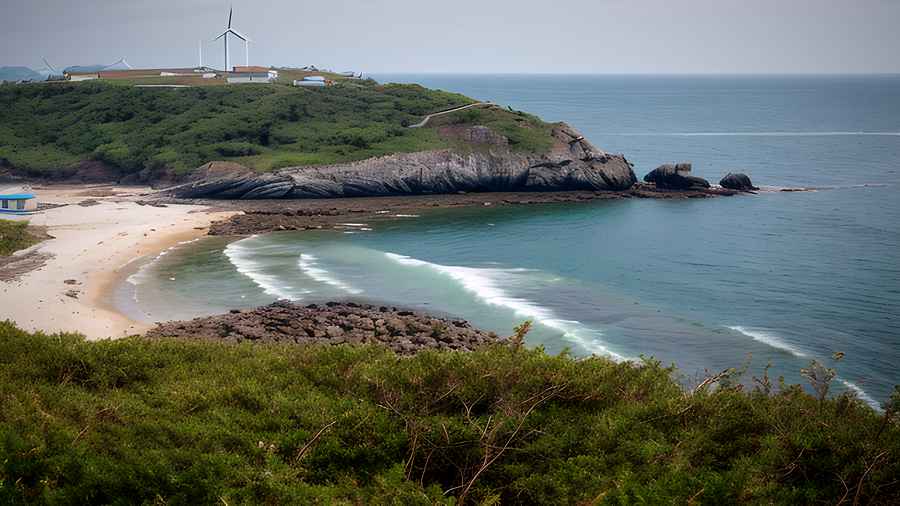
Pingtan is the part people underestimate. It is windier and emptier than the photographs suggest, and one day there is enough only if you walk rather than drive between the villages.
D1、Fuzhou—Pingtan 130KM
Road
A hundred and thirty kilometres east, expressway and then the long bridge over the channel, with a toll at each end. Wind on the bridge is real: high-sided vehicles are restricted in a gale.
Sights
Fuzhou before leaving: the three lanes at Sanfang Qixiang, white walls and wooden eaves, and the river at dusk with the barges. Pingtan in the afternoon: the stone houses at Beigang, walls of squared granite blocks with no mortar showing, and the beach below them where the sand is fine and the wind constant.
Food
Fuzhou for lunch: fish balls, which are the city's dish, and a soup of the local seaweed. Pingtan in the evening: shellfish grilled at the harbour, and sweet potato noodles.
Where to stay
Pingtan, in a stone guesthouse on the east coast; the west side is calmer but the sunrise is on the east.
D2、Pingtan—Yongtai 180KM
Road
A hundred and eighty kilometres back over the bridge and south-west into the hills, half expressway, half county road. Three hours with a stop.
Sights
A morning on the island's north coast, where the rocks are carved into shapes by the wind and the fishing boats are pulled up on the slipway. Then Yongtai: the old town on the river, the covered bridge with its timber trusses, and the hot spring at the edge of the town where the water comes out at sixty degrees.
Food
Lunch at a roadside place after the bridge: sea fish, braised. Yongtai in the evening: duck cooked with the local wine, and bamboo shoots.
Where to stay
Yongtai town, with parking; the hot-spring hotels outside town are better value and quieter.
D3、Yongtai—Nanping 160KM
Road
A hundred and sixty kilometres north-west on county road and then the expressway, with one long climb and a tunnel. Three hours.
Sights
The morning in Yongtai's hill villages: terraces cut into the slope, a village square with a stone drum, and a lane of wooden houses with the doors open. Then Nanping, where the Min river widens: the old wharf, the stone steps, and the bridge with the pavilions on it.
Food
Lunch in a village: rice cooked in bamboo, and smoked pork. Nanping in the evening: river fish and a bowl of the local rice wine.
Where to stay
Nanping, near the river, with a garage; the old-town hotels have no parking.
D4、Nanping on foot 0KM
Road
No driving. The car stays in the garage and the day is the river, the old streets and one museum.
Sights
The morning at the Confucian temple, a quiet courtyard with a stone pool and old cedars. Then the lanes behind the wharf, where the houses lean over the water on timber supports, and the market that runs along the embankment. In the afternoon, the museum of the Min river, with the boat models and the maps of the old tea route.
Food
Lunch at the market: noodles with pork and pickled vegetables. Dinner at a riverside restaurant, fish again, this time steamed with ham.
Where to stay
Same hotel, second night.
D5、Nanping—Taining 150KM
Road
A hundred and fifty kilometres north-west, county road most of the way, with two passes and a long stretch along a river gorge. Three and a half hours.
Sights
Taining arrives as a surprise: red sandstone cliffs above a green river, and a town gate of stone with a lane behind it. The afternoon is the boat through the upper gorge, where the cliffs close in and the water is shallow enough to see the bottom, and the bats come out of a cave at dusk.
Food
Lunch at a farmhouse on the pass: chicken cooked in a clay pot, and wild ferns. Taining in the evening: fish from the river, and a soup of the local bean curd.
Where to stay
Taining town, with parking; the guesthouses inside the old gate are lovely but you must leave the car outside.
D6、Taining on foot 0KM
Road
No driving; the boat and the lanes are all within walking distance of the gate.
Sights
The morning in the lanes: the examination hall with its rows of stone desks, the family shrine with the wooden plaques, and the well in the courtyard. Then the lower gorge on foot, along the path cut into the cliff, with the river below and the ferns hanging over the rock.
Food
Lunch at a lane-side place: rice noodles, and a plate of the local smoked tofu. Dinner at the guesthouse, which cooks what the village grows.
Where to stay
Same guesthouse, second night.
D7、Taining—Fuzhou 155KM
Road
A hundred and fifty-five kilometres south-east, county road to the expressway and then fast all the way. Three hours.
Sights
A last morning at the town gate, when the light comes over the cliff and the lane is empty. Then the drive, and if you reach Fuzhou with light left, the riverbank below the old bridge, where the fishing boats tie up and the city's lights come on across the water.
Food
Breakfast in Taining: rice porridge, pickles, and a steamed bun. Lunch at a service area; dinner in Fuzhou, fish balls again, because they are worth a second try.
Where to stay
No hotel needed if you fly out; the airport road is twenty minutes from the river.
Practical tips
- The Pingtan bridge closes to high-sided vehicles in a gale. Check the wind forecast before committing to the crossing.
- Mountain roads average forty. A hundred and sixty kilometres is three and a half hours, not two.
- Taining's boat runs on a fixed schedule and stops in rain; buy the ticket the evening before.
- The old towns of Nanping and Taining do not admit cars. Use the gate car parks and walk.
- October and November are dry and clear; July to September is typhoon season and the island can be shut for days.
- Keep the Foreign Car Entry Self-Drive papers and the Renting a Car in China as a Foreigner contract in the door pocket; checks on the mountain roads are rare but thorough.
About this route
Seven days, 775 km, from the sea to the red rocks: an island of wind, a river town, a hill county, and a valley where the boat is the only way in.
Distances and times are from my own log. Yunnan Province International Travel Agency (Group) Co., Ltd. answers port entry, temporary plate and route questions on weekdays; contact Zara.
Route notes by Zara, Yunnan Province International Travel Agency (Group) Co., Ltd.