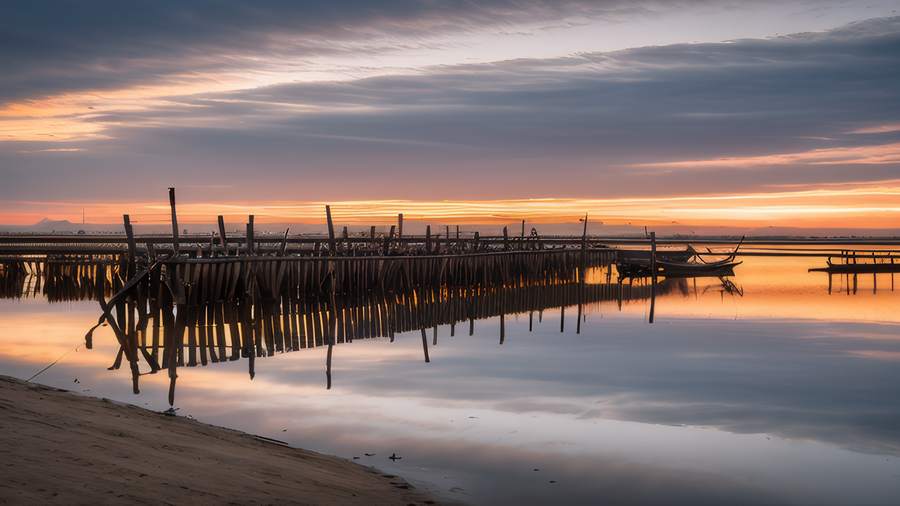
Most visitors to Fujian stay on the coast between Fuzhou and Xiamen, and miss the two ends of this loop: the highland villages in the north-west mountains and the island coast that runs down to Pingtan. I drove it as a seven-day loop with a hired car, 190 kilometres up to Zhouning, two days in the hills, then down through Fuding and Xiapu, across to Pingtan for two nights, and back to Fuzhou in the evening. The first surprise is the change of country: after the Fuzhou plain the road climbs into cool, terraced hills where the villages are built of stone and the streams run clear; then it drops to a coast of fishing harbours, mudflats worked at low tide, and islands strung out like a broken necklace. The second is how little the two halves resemble each other: the inland days are about villages, water and old courtyards, the coastal days about tide, reef and seafood. If you are weighing Foreign Car Entry Self-Drive for this loop, the honest answer is that bringing your own vehicle across the border suits a long, open-ended trip far better than a 662 kilometre week; Renting a Car in China as a Foreigner at the Fuzhou station or airport, where the agency desk sorts the licence translation and the customs bond before you leave, gives you the whole loop in seven days with the car handed back in the same place.
Trip overview
- Day 1 – Fuzhou to Zhouning, 190 km: Carp Stream, Louping village, Chenqiao cliff village kept for tomorrow.
- Day 2 – Zhouning, 0 km on the loop: Chenqiao gorge, Louping stone alleys, morning on the carp stream.
- Day 3 – Zhouning to Fuding, 110 km: Jiuli Stream, Cuijiao manor, Yushan Island.
- Day 4 – Fuding to Xiapu, 72 km: Huazhu sunrise headland, Beiqi mudflat, Yangjia Stream banyans.
- Day 5 – Xiapu to Pingtan, 190 km: Haitan Old Town, General Hill, Tannan Bay.
- Day 6 – Pingtan, 0 km on the loop: ridge path, old-town markets, beach and reefs.
- Day 7 – Pingtan back to Fuzhou, 100 km: easy return, evening in the old quarter.
Total 662 km over seven days, an average of about 95 km a day, with two full play days in Zhouning and Pingtan and short transfers on the other five.
Day 1 · Fuzhou to Zhouning, 190 km
Road
Leave Fuzhou in the morning and take the inland expressway north-west toward the mountains; 190 kilometres, about three hours with one stop at a service area. The road leaves the plain behind after the first hour, climbing through tunnels and across viaducts, and the last stretch into Zhouning is a county road with slower traffic and a few village junctions. Petrol stations sit in the county towns; fill up before you climb. The villages at the end have small signed car parks at the entrance, and the old lanes are walked rather than driven.
Sights
The afternoon belongs to the Carp Stream at Puyuan village, the reason most people come to Zhouning. A stone-lined brook runs straight through the old village, and the carp in it have been protected and fed by the households along the banks for generations; the fish gather at the call of the villagers, and the stone paths, the low bridges and the dark-tiled houses make a slow hour that needs no guidebook. A little further, Louping is a high stone village in the hills: narrow alleys of flagstone, an ancestral hall with carved timber, and an old water mill by the channel, the kind of place where the houses face south and keep their own vegetable plots. The altitude keeps the air cool even in summer, and the light late in the afternoon falls on the stone walls rather than on the roofs. Keep Chenqiao for tomorrow, when you have time for the cliff walk. The stone tablets along the bank record the rules the households once kept for the fish, and the old tea house by the bridge serves the local high-mountain tea while you watch the carp move slowly over the stones.
Food
Highland cooking here is plain and hearty: a plate of braised local potatoes, dried bamboo shoots with pork, wild greens from the hills, and a bowl of loach noodles, the county's own soup. Breakfast in Zhouning is rice porridge with pickles and steamed rice cakes, and the tea grown on the nearby slopes is drunk strong all day.
Where to stay
Stay in Zhouning county seat or in a guesthouse at Puyuan by the stream. The town hotels are cheaper and closer to the food street; the village guesthouses put you beside the water at night, when the stream is the only sound. Either side will hold the car in a yard.
Day 2 · Zhouning, 0 km on the loop
Road
No driving today. The three villages are short local hops from the county seat, and if you would rather not call a car back and forth, leave the hired car in the yard and take the village shuttle or a local taxi between sites.
Sights
Today starts at Chenqiao, the cliff village of the county. The houses stand on the edge of a gorge cut into soft rock, and the overlook above the village looks down the cleft to where the stream bends through the trees; the path along the rim is paved, with a few stone pavilions to sit in, and in clear weather you can see the next ridge of the mountain range. Then back to Louping in daylight, when the alleys show their stonework properly: the old mill wheel, the courtyard of the ancestral hall, and the villagers drying bamboo shoots and vegetables on racks outside the doors. Finish the morning on the Carp Stream again, before the day-trippers arrive, when the light is still on the water and the fish are moving slowly near the bank. The village keeps a small hall of local customs by the bridge, and the old stone tablets along the bank record the rules the households once kept for the fish. There is no long climb anywhere today; the point is to walk slowly and let the hillside villages set the pace. A stone path climbs the slope behind the village to a high viewpoint over the whole valley and the terraced fields, and on market days the lane outside the village sells wild mushrooms, bamboo shoots and woven bamboo ware from the hills.
Food
Lunch at a farmhouse near Chenqiao: preserved meat steamed with bamboo shoots, a potato stew with mountain herbs, and a bowl of rice grown on the terraces. In the evening back in town, ask for the local rice cakes fried with greens, and the sour vegetable soup that cuts through the rich food.
Where to stay
Second night in Zhouning, same guesthouse or hotel. This is the one full play day in the hills, so do not pack the car until morning.
Day 3 · Zhouning to Fuding, 110 km
Road
Descend from the hills on the county road, join the expressway toward the coast, and leave it for the Fuding exit; 110 kilometres, about two hours with the bends. The mountain section has many tight curves and slow vans, so keep to the daylight and do not overtake at the blind corners. From Fuding to the island jetty there is another short coastal run; the ferry to Yushan Island sails from the harbour and the crossing takes about half an hour, with the last sailing back in early afternoon, so check the notice at the jetty the evening before.
Sights
Before the coast, Jiuli Stream runs through a wooded gorge outside Panxi: the water is shallow and clear over stones, and the bamboo raft glides under the cliffs while the walkway above gives the same view on foot. Then Cuijiao, the old Wu family manor near Bailing: a Qing-dynasty courtyard complex built as one connected group of halls, side wings and open patios, with carved wooden screens, brick walls and the family shrine at the back; a guide at the gate explains which hall was for which branch of the family. The afternoon is for Yushan Island, reached by ferry: the island rises in grassy slopes above the harbour, with two still upland lakes set in the hills and a cliff path along the east shore looking out to the open sea. The wind on the island is strong, and the grassland stays green through most of the year; bring a jacket even on warm days. The island path runs along the pasture toward the rocky shore, and the small harbour stalls sell freshly landed fish and shellfish while you wait for the boat.
Food
Fuding's street food starts with pork slices, a minced pork snack served in a clear hot soup with vinegar and pepper, and the local taro, steamed or braised, grown in the county's red soil. At the coast, eat the day's catch grilled or steamed with ginger, and a bowl of fish-ball soup. Near Cuijiao, farmhouse kitchens serve chicken stewed with mushrooms and the mountain vegetables of the season.
Where to stay
Sleep in Fuding county town, where the hotels cluster near the main street and the night food market, or on the coast near the harbour if you want an early ferry tomorrow. Do not stay on the island: the evening sailings are limited and the lodging there is small.
Day 4 · Fuding to Xiapu, 72 km
Road
Follow the coastal highway south to Xiapu; 72 kilometres, about ninety minutes, with the sea on one side and the fishing villages on the other. The road hugs the shoreline, climbing and dropping past small harbours, and there are lay-bys where you can stop and read the islands off the horizon. If you want the sunrise views, set the alarm and drive the short hop to Huazhu before first light; otherwise leave after breakfast and take the mudflat at morning tide.
Sights
Huazhu, above the harbour, is the headland everyone photographs: a rocky point looking over a scatter of small islands and the working boats below, with the sunrise turning the water pale gold. Then Beiqi mudflat on the edge of Xiapu town: at low tide the flats show a network of tidal channels, wooden fishing stakes and the lines of the laver racks, and the morning light picks out every ridge of mud. This is the coast's classic picture, and the best position is the slope above the village, where the whole flat opens below you. Inland for the afternoon, Yangjia Stream: a grove of ancient banyans with roots running over the ground, a shallow stream crossed by bamboo raft, and a path along the water to the small waterfall further up. The banyans are old enough that their aerial roots have become trunks, and the shade under them stays cool at midday. The village beside the stream keeps its stone lane and old courtyard houses, with a stall under the banyans selling local snacks; in autumn the yellow leaves lay the light on the packed earth.
Food
Xiapu lives on its tidal flats: laver and kelp farmed in the bay, razor clams, small crabs and the fish that come in with the boats. The town's own dish is fish noodles, made from pressed fish paste and served in broth, and the seafood restaurants along the quay cook the shellfish simply, steamed or stir-fried with garlic. Ask what the morning boats brought in rather than choosing from a fixed menu.
Where to stay
Stay in Xiapu county town near the bay, where the guest houses look over the water and the morning drive to the mudflat is ten minutes. The coastal villages south of town are quieter but have fewer rooms.
Day 5 · Xiapu to Pingtan, 190 km
Road
Continue south down the coast, turn inland around the big bay, and cross to Pingtan Island over the sea-crossing bridge; 190 kilometres, about three hours without a long stop. The bridge is exposed to the open wind, so hold a steady speed and watch the crosswind, especially with vans passing. On the island the roads are flat and signed to the main bays; fill up on the mainland side before you cross if the tank is low.
Sights
Pingtan is the big island off the coast of central Fujian, and the day splits between town, hill and bay. Haitan Old Town is a rebuilt historic street laid out as an old-town quarter: wooden shop fronts, craft stalls and snack counters selling the island's own dishes, a good place to walk through at the end of the drive rather than a museum site. General Hill, on the south side of the island, is a granite ridge rising above the coast: rock piles along the summit path, a view over the bays on both sides, and a small memorial park on the slopes. The evening belongs to Tannan Bay, the south bay: a long stretch of sand between low headlands, reefs in the shallows, and a sunset that works along the whole curve of the shore. In the right season the shallows glow blue at night when the water is disturbed; the locals call it sea fire, and it depends on the water and the weather, so ask along the beach that evening rather than counting on it. Along the island road stand old stone cottages with thick walls and small windows against the wind, and racks of newly dried laver are set out in rows across the flats.
Food
Island cooking here is seafood and starch: salty rice balls filled with pork and vegetables, fish balls in clear soup, oyster omelette, and a pot of laver with oysters. The Old Town counters sell fried fish cakes and sweet potato cakes to eat walking; the restaurants by the bay grill the day's catch and steam shellfish in the local soy.
Where to stay
Stay near Tannan Bay for the beach evening and the morning after, or in the county town if you want more choice of rooms. The bay-side guesthouses are a short walk from the sand and let you park in their yard.
Day 6 · Pingtan, 0 km on the loop
Road
No driving today. The island's main sights are a short ride apart; leave the car in the guesthouse yard and walk, hire a bicycle along the bay road, or take a local taxi between the hill and the beach.
Sights
Spend the morning on General Hill again, this time with daylight on the granite: the summit path goes along the ridge between rock formations, and from the top you can make out the bridge back to the mainland and the smaller islets strung off the east shore. Back in the Old Town, the morning markets sell dried seafood, sea salt products and the island's woven crafts, and the side lanes show the old stone houses with their courtyards facing the sea. The afternoon is a long walk along Tannan Bay: follow the shore from the sandy end to the reefs at the headland, where the pools left by the tide hold small crabs, shells and the occasional sea cucumber; at low tide the flat sand goes out far enough to walk it slowly. The wind off the sea keeps the island cooler than the mainland in summer, and the beach at sunset is the hour the whole island comes out for. If the water conditions are right, the evening walk along the shallows is when the blue glow appears. The reef stones are slippery, so wear grip-soled shoes, and in south wind with big waves do not climb the offshore rocks. Before turning back to the village, watch the fishing boats come into the harbour, where baskets of fish and shellfish are unloaded onto the shore stalls.
Food
Lunch in town on the fish-ball soup and the oyster omelette; afternoon snacks from the Old Town stalls, sweet potato porridge and fried fish cake. For dinner, a bay-side kitchen with the day's grilled fish and shellfish steamed with garlic, and a bowl of island kelp soup.
Where to stay
Second night on Pingtan, same guesthouse. This is the last full play day of the loop, so keep the evening by the water rather than driving inland.
Day 7 · Pingtan back to Fuzhou, 100 km
Road
Cross the bridge back to the mainland and take the expressway to Fuzhou; 100 kilometres, about two hours, and the plan today is not to hurry. Leave after breakfast or after a morning beach walk, stop once on the way, and arrive in the city by early evening. Traffic into Fuzhou thickens after four, so time the crossing to clear the city roads before the rush.
Sights
The last day is the return leg, and there is no long site to reach on the way. Arriving in Fuzhou leaves the evening for the old quarter: the lane grid of Sanfang Qixiang, a preserved neighbourhood of Ming and Qing trading streets with timber fronts, courtyards and small museums, where you can walk from one lane to the next without a map. Nearby the city wall remnants and the riverfront give an easy hour, and the evening food streets sell the city's snacks out on tables. If you have an early flight or train, keep the old quarter for a short walk near the station rather than a long tour. The lane corners sell lacquer ware and horn combs as take-home crafts, and the slopes below the hill hold old courtyards from which the rooftops of the old town spread out below.
Food
Last meals in Fuzhou are the city's own snacks: fish balls in broth, meat swallow wrapped around a pork filling, and a bowl of rice roll soup, the breakfast-and-evening street food of the old town. Buy dried seafood and tea as takeaway near the market if you have the time.
Where to stay
The loop closes in Fuzhou. If you travel on by air or rail, sleep near the old quarter or the station, and hand the car back at the agent's city desk, which is open later than the airport lot.
Practical tips
- The Zhouning–Fuding mountain road has many tight bends; drive it in daylight, watch for slow vans and do not overtake at blind corners.
- The Yushan Island ferry sails on sea state; check the jetty notice in the evening and keep Day 3 flexible if the wind rises.
- Huazhu and Beiqi are sunrise spots: arrive before first light, and check the tide tables, since a high tide flattens the mudflat view.
- The Pingtan bridge carries a strong crosswind; cross in steady weather, keep speed even, and watch vans passing.
- Shellfish in Xiapu and Pingtan is sold by weight; ask the price before ordering, and check the bill against the count.
- For a 662 km loop like this, Renting a Car in China as a Foreigner suits the trip better than Foreign Car Entry Self-Drive, since the border paperwork cannot be finished in the days you have.
About this route
Seven days is split on purpose between two kinds of Fujian: the inland highland villages around Zhouning and the island coast from Fuding down to Pingtan. If you have five days, cut the two play days and run the loop as Fuzhou, Zhouning, Fuding, Xiapu, Pingtan, Fuzhou. If you have nine, add the border towns to the north and the Quanzhou coast to the south, which are the same region with less travel writing about them.
Kilometre figures are what this drive logged against the exit signs. Ferry sailings, park opening hours, tide tables and the seasonal sea-fire glow were confirmed at each gate and change with the weather and the season.
Route notes by Zara, Yunnan Province International Travel Agency (Group) Co., Ltd.