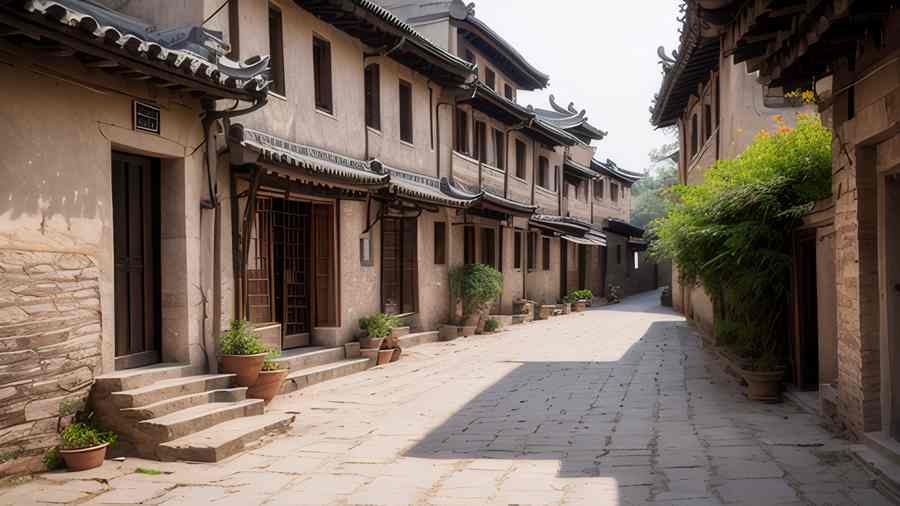
There are two ways to drive in China. One is foreign car entry self-drive: your own vehicle is cleared through a land border such as Mohan or Khorgos, gets a temporary plate, and the paperwork is finished at the crossing. The other is renting a car in China as a foreigner: you fly in, collect a car in Zuo quan, and you only need your passport, your home licence and a Chinese temporary driving permit. This Shanxi route suits both — the only difference is where the car comes from.
Route at a glance
- D1 Zuo quan–Ping yao, 130 km: Pingyaogucheng, Chengqiang
- D2 Ping yao, a day here: Pingyaogucheng, Rishengchang, Chengqiang
- D3 Ping yao–Lin fen, 165 km: Huamen, Yaomiao
- D4 Lin fen, a day here: Yaomiao, Huamen, Tiefosi
- D5 Lin fen–Hu kou, 120 km: Hukoupubu, Huangheguanjingtai
- D6 Hu kou, a day here: Hukoupubu, Huangheguanjingtai
- D7 Hu kou–Yong ji, 175 km: Pujiusi, Guanquelou
- D8 Yong ji, a day here: Guanquelou, Pujiusi, Tieniu
- D9 Yong ji–Hong dong, 230 km: Dahuaishu, Guangshengsi
- D10 Hong dong–Jin cheng, 165 km: Huangchengxiangfu, Manghe
- D11 Jin cheng–Ling chuan, 90 km: Wangmangling, Xiyagouguabigonglu
- D12 Ling chuan–Wan xian shan, 25 km: Guoliangcun, Nanping
1100 km over 12 days, about 92 km a day, and the rest of the time goes to sights and food. One direction all the way, finishing at the far end.
D1 Zuo quan–Ping yao, 130 km
The road
130 km from Zuo quan to Ping yao, mostly expressway plus a stretch of county road — an hour and a half to two hours. The road alternates between loess plateau and Taihang ridges, with deep valleys between. Traffic is light but there are plenty of trucks, so do not sit close behind one; the last section off the expressway is narrow and you will need to yield. Fuel is available along the way, but fill up before the mountains. Use the site car park rather than the roadside; tow trucks are quick here. If you are on a foreign car entry self-drive trip, note that toll booths on this stretch all take a staffed lane — easiest with a temporary plate.
What you see
Pingyaogucheng is the local building type: thick outer walls, small openings, built with wind and defence in mind. Inside, the lanes are narrow with the houses pressed close, a strip of sky overhead. Many courtyards still have families living in them — ask before you walk in. Villagers often wait at the lane mouth to explain a house or a tower, and it is worth the twenty minutes. The open ground and old trees at the entrance are the spot for a wide photo, best in morning light. Village food is simple and honest, priced per head. The stone underfoot is uneven, so wear flat shoes. Chengqiang is the old fortification of this stretch, walls following the ridge, brick weathered grey, crenellations and corner towers still readable. The climb has ramps and steps and a full circuit takes about an hour; several towers can be entered and give the clearest view of the streets inside and the hills beyond. Wind on the wall is stronger than in town — pleasant in summer, biting in winter. Restored sections walk easily; unrestored stretches grow grass and scrub and should not be climbed. Old streets below have food and tea, so eat when you come down. At dusk the lights pick out the outline, worth an extra hour.
Food
Local plates to look for in Shanxi: knife-cut noodles, oat rolls, Pingyao braised beef and guo you rou. In Zuo quan the good places are the small ones with local cars parked outside and a full table — fair prices, steady cooking. Ask the price before ordering anything sold by weight, and skip seafood that does not look fresh that day.
Where to stay
Tonight is in the Zuo quan area; nothing fancy is needed, just clean with parking. If tomorrow is a long drive, take the side facing the road out of town and save half an hour in the morning.
D2 Ping yao, a day here
The road
A day around Ping yao, with little driving; leave the car at the guesthouse and walk or take a taxi. Roads here are short hops and two or three sights fit comfortably in a day — do not spend it all in the car.
What you see
Pingyaogucheng is the local building type: thick outer walls, small openings, built with wind and defence in mind. Inside, the lanes are narrow with the houses pressed close, a strip of sky overhead. Many courtyards still have families living in them — ask before you walk in. Villagers often wait at the lane mouth to explain a house or a tower, and it is worth the twenty minutes. The open ground and old trees at the entrance are the spot for a wide photo, best in morning light. Village food is simple and honest, priced per head. The stone underfoot is uneven, so wear flat shoes. Rishengchang is an easy stop on this leg out of Ping yao, small enough to walk in half an hour. The point is not to rush: park, look around, let the pace of the last few days drop. Signs and roads are clear and it is hard to get lost. Quiet out of season and good for photos and a rest; in season parking fills, so arrive early. Local restaurants nearby cook plain food at fair prices. An hour here is enough before you get back on the road. Chengqiang is the old fortification of this stretch, walls following the ridge, brick weathered grey, crenellations and corner towers still readable. The climb has ramps and steps and a full circuit takes about an hour; several towers can be entered and give the clearest view of the streets inside and the hills beyond. Wind on the wall is stronger than in town — pleasant in summer, biting in winter. Restored sections walk easily; unrestored stretches grow grass and scrub and should not be climbed. Old streets below have food and tea, so eat when you come down. At dusk the lights pick out the outline, worth an extra hour.
Food
Local plates to look for in Shanxi: knife-cut noodles, oat rolls, Pingyao braised beef and guo you rou. In Ping yao the good places are the small ones with local cars parked outside and a full table — fair prices, steady cooking. Ask the price before ordering anything sold by weight, and skip seafood that does not look fresh that day.
Where to stay
Rooms in Ping yao are mostly county hotels and guesthouses. The chain hotels in town have parking and clean rooms at lower rates than the sites; guesthouses near the gate have bigger courtyards and suit families. Rates jump at weekends and in season, so book ahead.
D3 Ping yao–Lin fen, 165 km
The road
165 km from Ping yao to Lin fen, one of the longer days, with expressway for most of it and three hours including the city edges. The road alternates between loess plateau and Taihang ridges, with deep valleys between. Do not start too late; stop for lunch at a service area and drive in the afternoon rather than at midday. On a long run, break every two hours and get out of the car. Park first, then buy tickets; attendants direct you near the gate.
What you see
Huamen is among the oldest structures in Ping yao and the construction repays a close look: the stonework, the timber joints, the carvings worn smooth. You can usually walk around the base, and some allow you up inside for the best view of town and water; expect a queue and narrow stairs. Courtyards, steles and columns hold details no photograph catches. Opening hours shift with the season and closing comes earlier than you expect, so go in the morning or early afternoon. Snack streets nearby make an easy meal afterwards. Early and late light suit the building best; at noon the shadows crush the detail. Yaomiao is the busiest religious site around Ping yao: worn stone steps at the gate, a first courtyard, then the main hall with its layered beams and painted brackets still in their old form. Locals come on the first and fifteenth of the lunar month; on an ordinary morning it is quiet enough to hear the wind bells under the eaves. Behind the hall there is usually a raised terrace with a view over the rooftops and the ridge beyond, the best place for a photo. Old trees shade the courtyard and in summer it is hard to leave. Keep voices down inside, check the signs before photographing, and buy incense at the gate. Allow forty minutes, an hour if you read the couplets and steles.
Food
Local plates to look for in Shanxi: knife-cut noodles, oat rolls, Pingyao braised beef and guo you rou. In Ping yao the good places are the small ones with local cars parked outside and a full table — fair prices, steady cooking. Ask the price before ordering anything sold by weight, and skip seafood that does not look fresh that day.
Where to stay
Stay near the site at Ping yao so you do not drive back the next morning, or return to town where food and supplies are easier. Conversions have character but thin walls — light sleepers should pick a newer building.
D4 Lin fen, a day here
The road
A day around Lin fen, with little driving; leave the car at the guesthouse and walk or take a taxi. Roads here are short hops and two or three sights fit comfortably in a day — do not spend it all in the car.
What you see
Yaomiao is the busiest religious site around Lin fen: worn stone steps at the gate, a first courtyard, then the main hall with its layered beams and painted brackets still in their old form. Locals come on the first and fifteenth of the lunar month; on an ordinary morning it is quiet enough to hear the wind bells under the eaves. Behind the hall there is usually a raised terrace with a view over the rooftops and the ridge beyond, the best place for a photo. Old trees shade the courtyard and in summer it is hard to leave. Keep voices down inside, check the signs before photographing, and buy incense at the gate. Allow forty minutes, an hour if you read the couplets and steles. Huamen is among the oldest structures in Lin fen and the construction repays a close look: the stonework, the timber joints, the carvings worn smooth. You can usually walk around the base, and some allow you up inside for the best view of town and water; expect a queue and narrow stairs. Courtyards, steles and columns hold details no photograph catches. Opening hours shift with the season and closing comes earlier than you expect, so go in the morning or early afternoon. Snack streets nearby make an easy meal afterwards. Early and late light suit the building best; at noon the shadows crush the detail. Tiefosi is the busiest religious site around Lin fen: worn stone steps at the gate, a first courtyard, then the main hall with its layered beams and painted brackets still in their old form. Locals come on the first and fifteenth of the lunar month; on an ordinary morning it is quiet enough to hear the wind bells under the eaves. Behind the hall there is usually a raised terrace with a view over the rooftops and the ridge beyond, the best place for a photo. Old trees shade the courtyard and in summer it is hard to leave. Keep voices down inside, check the signs before photographing, and buy incense at the gate. Allow forty minutes, an hour if you read the couplets and steles.
Food
Local plates to look for in Shanxi: knife-cut noodles, oat rolls, Pingyao braised beef and guo you rou. In Lin fen the good places are the small ones with local cars parked outside and a full table — fair prices, steady cooking. Ask the price before ordering anything sold by weight, and skip seafood that does not look fresh that day.
Where to stay
Tonight is in the Lin fen area; nothing fancy is needed, just clean with parking. If tomorrow is a long drive, take the side facing the road out of town and save half an hour in the morning.
D5 Lin fen–Hu kou, 120 km
The road
120 km from Lin fen to Hu kou, mostly expressway plus a stretch of county road — an hour and a half to two hours. The road alternates between loess plateau and Taihang ridges, with deep valleys between. Traffic is light but there are plenty of trucks, so do not sit close behind one; the last section off the expressway is narrow and you will need to yield. Fuel is available along the way, but fill up before the mountains. Use the site car park rather than the roadside; tow trucks are quick here.
What you see
Hukoupubu is the stretch of water people in Lin fen talk about: the river widens here, low hills and villages on both banks, a current gentle enough to look at. Footpaths and decks line the shore and benches appear every few hundred metres, with locals exercising in the morning. A boat is the other way to see it — sailings are few, so confirm the last return before you board. Old streets by the water have snack stalls and teahouses where you can sit and watch the traffic on the river. Rain muddy the colour; a few clear days bring it back. Mosquitoes in summer, so take repellent for the evening. Late afternoon suits this stretch best. Huangheguanjingtai is the stretch of water people in Lin fen talk about: the river widens here, low hills and villages on both banks, a current gentle enough to look at. Footpaths and decks line the shore and benches appear every few hundred metres, with locals exercising in the morning. A boat is the other way to see it — sailings are few, so confirm the last return before you board. Old streets by the water have snack stalls and teahouses where you can sit and watch the traffic on the river. Rain muddy the colour; a few clear days bring it back. Mosquitoes in summer, so take repellent for the evening. Late afternoon suits this stretch best.
Food
Local plates to look for in Shanxi: knife-cut noodles, oat rolls, Pingyao braised beef and guo you rou. In Lin fen the good places are the small ones with local cars parked outside and a full table — fair prices, steady cooking. Ask the price before ordering anything sold by weight, and skip seafood that does not look fresh that day.
Where to stay
Rooms in Lin fen are mostly county hotels and guesthouses. The chain hotels in town have parking and clean rooms at lower rates than the sites; guesthouses near the gate have bigger courtyards and suit families. Rates jump at weekends and in season, so book ahead.
D6 Hu kou, a day here
The road
A day around Hu kou, with little driving; leave the car at the guesthouse and walk or take a taxi. Roads here are short hops and two or three sights fit comfortably in a day — do not spend it all in the car.
What you see
Hukoupubu is the stretch of water people in Hu kou talk about: the river widens here, low hills and villages on both banks, a current gentle enough to look at. Footpaths and decks line the shore and benches appear every few hundred metres, with locals exercising in the morning. A boat is the other way to see it — sailings are few, so confirm the last return before you board. Old streets by the water have snack stalls and teahouses where you can sit and watch the traffic on the river. Rain muddy the colour; a few clear days bring it back. Mosquitoes in summer, so take repellent for the evening. Late afternoon suits this stretch best. Huangheguanjingtai is the stretch of water people in Hu kou talk about: the river widens here, low hills and villages on both banks, a current gentle enough to look at. Footpaths and decks line the shore and benches appear every few hundred metres, with locals exercising in the morning. A boat is the other way to see it — sailings are few, so confirm the last return before you board. Old streets by the water have snack stalls and teahouses where you can sit and watch the traffic on the river. Rain muddy the colour; a few clear days bring it back. Mosquitoes in summer, so take repellent for the evening. Late afternoon suits this stretch best.
Food
Local plates to look for in Shanxi: knife-cut noodles, oat rolls, Pingyao braised beef and guo you rou. In Hu kou the good places are the small ones with local cars parked outside and a full table — fair prices, steady cooking. Ask the price before ordering anything sold by weight, and skip seafood that does not look fresh that day.
Where to stay
Stay near the site at Hu kou so you do not drive back the next morning, or return to town where food and supplies are easier. Conversions have character but thin walls — light sleepers should pick a newer building.
D7 Hu kou–Yong ji, 175 km
The road
175 km from Hu kou to Yong ji, one of the longer days, with expressway for most of it and three hours including the city edges. The road alternates between loess plateau and Taihang ridges, with deep valleys between. Do not start too late; stop for lunch at a service area and drive in the afternoon rather than at midday. On a long run, break every two hours and get out of the car. Park first, then buy tickets; attendants direct you near the gate.
What you see
Pujiusi is the busiest religious site around Hu kou: worn stone steps at the gate, a first courtyard, then the main hall with its layered beams and painted brackets still in their old form. Locals come on the first and fifteenth of the lunar month; on an ordinary morning it is quiet enough to hear the wind bells under the eaves. Behind the hall there is usually a raised terrace with a view over the rooftops and the ridge beyond, the best place for a photo. Old trees shade the courtyard and in summer it is hard to leave. Keep voices down inside, check the signs before photographing, and buy incense at the gate. Allow forty minutes, an hour if you read the couplets and steles. Guanquelou is among the oldest structures in Hu kou and the construction repays a close look: the stonework, the timber joints, the carvings worn smooth. You can usually walk around the base, and some allow you up inside for the best view of town and water; expect a queue and narrow stairs. Courtyards, steles and columns hold details no photograph catches. Opening hours shift with the season and closing comes earlier than you expect, so go in the morning or early afternoon. Snack streets nearby make an easy meal afterwards. Early and late light suit the building best; at noon the shadows crush the detail.
Food
Local plates to look for in Shanxi: knife-cut noodles, oat rolls, Pingyao braised beef and guo you rou. In Hu kou the good places are the small ones with local cars parked outside and a full table — fair prices, steady cooking. Ask the price before ordering anything sold by weight, and skip seafood that does not look fresh that day.
Where to stay
Tonight is in the Hu kou area; nothing fancy is needed, just clean with parking. If tomorrow is a long drive, take the side facing the road out of town and save half an hour in the morning.
D8 Yong ji, a day here
The road
A day around Yong ji, with little driving; leave the car at the guesthouse and walk or take a taxi. Roads here are short hops and two or three sights fit comfortably in a day — do not spend it all in the car.
What you see
Guanquelou is among the oldest structures in Yong ji and the construction repays a close look: the stonework, the timber joints, the carvings worn smooth. You can usually walk around the base, and some allow you up inside for the best view of town and water; expect a queue and narrow stairs. Courtyards, steles and columns hold details no photograph catches. Opening hours shift with the season and closing comes earlier than you expect, so go in the morning or early afternoon. Snack streets nearby make an easy meal afterwards. Early and late light suit the building best; at noon the shadows crush the detail. Pujiusi is the busiest religious site around Yong ji: worn stone steps at the gate, a first courtyard, then the main hall with its layered beams and painted brackets still in their old form. Locals come on the first and fifteenth of the lunar month; on an ordinary morning it is quiet enough to hear the wind bells under the eaves. Behind the hall there is usually a raised terrace with a view over the rooftops and the ridge beyond, the best place for a photo. Old trees shade the courtyard and in summer it is hard to leave. Keep voices down inside, check the signs before photographing, and buy incense at the gate. Allow forty minutes, an hour if you read the couplets and steles. Tieniu is an easy stop on this leg out of Yong ji, small enough to walk in half an hour. The point is not to rush: park, look around, let the pace of the last few days drop. Signs and roads are clear and it is hard to get lost. Quiet out of season and good for photos and a rest; in season parking fills, so arrive early. Local restaurants nearby cook plain food at fair prices. An hour here is enough before you get back on the road.
Food
Local plates to look for in Shanxi: knife-cut noodles, oat rolls, Pingyao braised beef and guo you rou. In Yong ji the good places are the small ones with local cars parked outside and a full table — fair prices, steady cooking. Ask the price before ordering anything sold by weight, and skip seafood that does not look fresh that day.
Where to stay
Rooms in Yong ji are mostly county hotels and guesthouses. The chain hotels in town have parking and clean rooms at lower rates than the sites; guesthouses near the gate have bigger courtyards and suit families. Rates jump at weekends and in season, so book ahead.
D9 Yong ji–Hong dong, 230 km
The road
230 km from Yong ji to Hong dong, one of the longer days, with expressway for most of it and three hours including the city edges. The road alternates between loess plateau and Taihang ridges, with deep valleys between. Do not start too late; stop for lunch at a service area and drive in the afternoon rather than at midday. On a long run, break every two hours and get out of the car. Use the site car park rather than the roadside; tow trucks are quick here.
What you see
Dahuaishu is an easy stop on this leg out of Yong ji, small enough to walk in half an hour. The point is not to rush: park, look around, let the pace of the last few days drop. Signs and roads are clear and it is hard to get lost. Quiet out of season and good for photos and a rest; in season parking fills, so arrive early. Local restaurants nearby cook plain food at fair prices. An hour here is enough before you get back on the road. Guangshengsi is the busiest religious site around Yong ji: worn stone steps at the gate, a first courtyard, then the main hall with its layered beams and painted brackets still in their old form. Locals come on the first and fifteenth of the lunar month; on an ordinary morning it is quiet enough to hear the wind bells under the eaves. Behind the hall there is usually a raised terrace with a view over the rooftops and the ridge beyond, the best place for a photo. Old trees shade the courtyard and in summer it is hard to leave. Keep voices down inside, check the signs before photographing, and buy incense at the gate. Allow forty minutes, an hour if you read the couplets and steles.
Food
Local plates to look for in Shanxi: knife-cut noodles, oat rolls, Pingyao braised beef and guo you rou. In Yong ji the good places are the small ones with local cars parked outside and a full table — fair prices, steady cooking. Ask the price before ordering anything sold by weight, and skip seafood that does not look fresh that day.
Where to stay
Stay near the site at Yong ji so you do not drive back the next morning, or return to town where food and supplies are easier. Conversions have character but thin walls — light sleepers should pick a newer building.
D10 Hong dong–Jin cheng, 165 km
The road
165 km from Hong dong to Jin cheng, one of the longer days, with expressway for most of it and three hours including the city edges. The road alternates between loess plateau and Taihang ridges, with deep valleys between. Do not start too late; stop for lunch at a service area and drive in the afternoon rather than at midday. On a long run, break every two hours and get out of the car. Town car parks are easier than street parking and charge by the hour.
What you see
Huangchengxiangfu is among the oldest structures in Hong dong and the construction repays a close look: the stonework, the timber joints, the carvings worn smooth. You can usually walk around the base, and some allow you up inside for the best view of town and water; expect a queue and narrow stairs. Courtyards, steles and columns hold details no photograph catches. Opening hours shift with the season and closing comes earlier than you expect, so go in the morning or early afternoon. Snack streets nearby make an easy meal afterwards. Early and late light suit the building best; at noon the shadows crush the detail. Manghe is the stretch of water people in Hong dong talk about: the river widens here, low hills and villages on both banks, a current gentle enough to look at. Footpaths and decks line the shore and benches appear every few hundred metres, with locals exercising in the morning. A boat is the other way to see it — sailings are few, so confirm the last return before you board. Old streets by the water have snack stalls and teahouses where you can sit and watch the traffic on the river. Rain muddy the colour; a few clear days bring it back. Mosquitoes in summer, so take repellent for the evening. Late afternoon suits this stretch best.
Food
Local plates to look for in Shanxi: knife-cut noodles, oat rolls, Pingyao braised beef and guo you rou. In Hong dong the good places are the small ones with local cars parked outside and a full table — fair prices, steady cooking. Ask the price before ordering anything sold by weight, and skip seafood that does not look fresh that day.
Where to stay
Tonight is in the Hong dong area; nothing fancy is needed, just clean with parking. If tomorrow is a long drive, take the side facing the road out of town and save half an hour in the morning.
D11 Jin cheng–Ling chuan, 90 km
The road
90 km from Jin cheng to Ling chuan, mostly expressway plus a stretch of county road — an hour and a half to two hours. The road alternates between loess plateau and Taihang ridges, with deep valleys between. Traffic is light but there are plenty of trucks, so do not sit close behind one; the last section off the expressway is narrow and you will need to yield. Fuel is available along the way, but fill up before the mountains. Park first, then buy tickets; attendants direct you near the gate.
What you see
Wangmangling is the most representative peak in this part of Shanxi: dense forest at the bottom, scrub and bare rock higher up. The trail is well built with wide steps and several rest platforms, and a cable car covers the lower half if you want to save your legs. From the top the view runs for miles, and when cloud sits low the whole mountain seems to float. It is a few degrees cooler than town, so bring a layer; stone steps are slippery after rain, so wear grippy shoes. Sunset is good from the pavilions on the shoulder, but do not descend in full dark as the trail is unlit. Three to four hours up and down, with water and a snack. Xiyagouguabigonglu is a road that is itself the sight: cut along a cliff or following a valley, rock on one side and a drop on the other, the view changing every few hundred metres. There are viewing spots and lay-bys; pull in where an angle appeals, but never on the inside of a bend where cars behind cannot see you. The surface is asphalt and narrow in places, so both directions slow and edge over to pass; in the rainy season rockfall signs mean business. Do not rush this stretch — keep the speed down, sound the horn at blind bends and use a low gear on long descents. An hour or two end to end, with a viewpoint halfway and villagers selling water and dried goods.
Food
Local plates to look for in Shanxi: knife-cut noodles, oat rolls, Pingyao braised beef and guo you rou. In Jin cheng the good places are the small ones with local cars parked outside and a full table — fair prices, steady cooking. Ask the price before ordering anything sold by weight, and skip seafood that does not look fresh that day.
Where to stay
Rooms in Jin cheng are mostly county hotels and guesthouses. The chain hotels in town have parking and clean rooms at lower rates than the sites; guesthouses near the gate have bigger courtyards and suit families. Rates jump at weekends and in season, so book ahead.
D12 Ling chuan–Wan xian shan, 25 km
The road
It is under 25 km from Ling chuan to Wan xian shan, on intercity roads and county lanes where junctions and villages keep the speed down. The road alternates between loess plateau and Taihang ridges, with deep valleys between. Follow the main road out of town and let the satnav route you around roadworks; watch the limit signs through the villages, where scooters and pedestrians appear without warning. Parking at the site is charged by the day and fills in season, so arrive early.
What you see
Guoliangcun is the local building type: thick outer walls, small openings, built with wind and defence in mind. Inside, the lanes are narrow with the houses pressed close, a strip of sky overhead. Many courtyards still have families living in them — ask before you walk in. Villagers often wait at the lane mouth to explain a house or a tower, and it is worth the twenty minutes. The open ground and old trees at the entrance are the spot for a wide photo, best in morning light. Village food is simple and honest, priced per head. The stone underfoot is uneven, so wear flat shoes. Nanping is an easy stop on this leg out of Ling chuan, small enough to walk in half an hour. The point is not to rush: park, look around, let the pace of the last few days drop. Signs and roads are clear and it is hard to get lost. Quiet out of season and good for photos and a rest; in season parking fills, so arrive early. Local restaurants nearby cook plain food at fair prices. An hour here is enough before you get back on the road.
Food
Local plates to look for in Shanxi: knife-cut noodles, oat rolls, Pingyao braised beef and guo you rou. In Ling chuan the good places are the small ones with local cars parked outside and a full table — fair prices, steady cooking. Ask the price before ordering anything sold by weight, and skip seafood that does not look fresh that day.
Where to stay
Stay near the site at Ling chuan so you do not drive back the next morning, or return to town where food and supplies are easier. Conversions have character but thin walls — light sleepers should pick a newer building.
Trip notes
- Documents: carry your passport — hotels and ticket desks ask for it. China does not accept the IDP, so a home licence needs a Chinese translation and a temporary permit.
- Install WeChat and Amap before you fly; fuel, parking and tickets are almost all QR-paid, cash only at small stalls.
- Tolls: charged by section on inter-provincial runs; card or QR both work. Holiday free periods bring traffic, so time your drive around them.
- Weather: big temperature swings in the hills and by the lakes, so pack a layer even in summer; in the rainy season take long descents in a low gear instead of riding the brakes.
- Driving habits: slow through villages, never overtake on a blind bend; cross-winds on bridges and the coast need both hands on the wheel and room around trucks.
- However you plan it, foreign car entry self-drive and picking up a rental car use the same roads; an ordinary sedan is enough, and leave rear space if you have luggage.
About this route
Distances are estimates; trust your navigation. Room rates and opening hours shift with the season, so confirm before you set off. Most stops sell tickets at the gate, but a few popular ones need advance booking and queues at holidays.
12 days of this loop is neither hard nor tiring: the daily runs are short, the sights sit either side of the road, and you can start early for more or sit longer in town. Park the car, and walk.