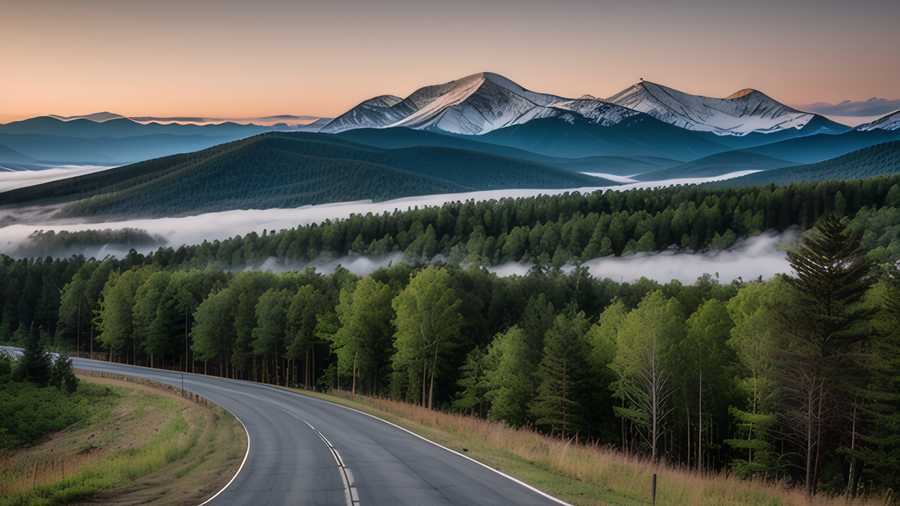
There are two ways to drive in China. One is foreign car entry self-drive: the car is declared in at a land port such as Mohan or Khorgos, gets a temporary plate, the paperwork is finished at the border, and the car stays yours. The other is renting a car in China as a foreigner: you fly in, collect a car in 长春, and need only a passport, your home licence and a Chinese temporary licence. This Jilin route suits both; the only difference is where the car comes from.
Route at a glance
- Day 1: 长春—伊通 65 km — 伊通火山群, 满族博物馆
- Day 2: 伊通, in place — 伊通火山群, 满族博物馆
- Day 3: 伊通—松花湖 150 km — 松花湖, 丰满水电站
- Day 4: 松花湖, in place — 松花湖, 丰满水电站
- Day 5: 松花湖—敦化 145 km — 六鼎山, 正觉寺
- Day 6: 敦化, in place — 六鼎山, 正觉寺
- Day 7: 敦化—蛟河 100 km — 红叶谷, 拉法山
- Day 8: 蛟河—吉林市 80 km — 北山公园, 龙潭山
- Day 9: 吉林市, in place — 北山公园, 龙潭山, 松花湖
- Day 10: 吉林市—抚松 215 km — 长白山万达小镇, 锦江大峡谷
- Day 11: 抚松—二道白河 85 km — 天池, 魔界
- Day 12: 二道白河, in place — 长白山北坡, 天池, 魔界
- Day 13: 二道白河—桦甸 155 km — 红石国家森林公园, 白山湖
- Day 14: 桦甸—桓仁 290 km — 五女山, 桓龙湖
1285 km over 14 days, roughly 91 km a day, with the rest of the time left for sights, food and sleep. The loop starts and ends in 长春, so there is no doubling back.
Day 1: 长春—伊通 65 km
Road
长春 to 伊通 is 65 km, mostly expressway plus a stretch of county road, an hour and a half to two hours in normal traffic. The Changbai range fills the south-east, the Songnen plain the north-west; winters are long and cold. Traffic is light but trucks are frequent, so do not sit close behind them. The last stretch off the expressway is narrow; give way when meeting another car. Fuel is available along the way, but fill up before heading into the hills. Attraction car parks charge by the day and fill early in season. One note for drivers on their own car: foreign car entry self-drive traffic uses the manned toll lane throughout, and a temporary plate makes it simplest, card or QR either way.
Sights
伊通火山群 has an unmistakable profile: a main peak standing among low hills, like a screen from a distance. The entrance road climbs gently at first and then steeply, and after a few bends the rock strata are right in front of you, layer upon layer. The trail follows the ridge, with stretches where one side is cliff and the other slope, so stay inside the railing. Halfway up a platform frames the whole valley, best in morning mist. Temples and pavilions are scattered along the way. You can come down by a different path, with the car parked in the shared car park at the foot. 满族博物馆 tells the history of the area. The halls run from early objects through to later people and events, with photographs, real items and clear labels, about an hour at a walk and two if you read everything. A few key exhibits draw the biggest crowd, so go early to see them properly. Outside there is a park with trees and level paths for a slow walk; some parts are memorial ground, so keep voices down and skip the group photos. Many such halls close on Mondays, and bags go through a check at the door. Parking is usually close by and full on public holidays.
Food
Guo bao rou, Korean-style cold noodles, pickled cabbage pork and rice cakes are the standbys in Jilin. In 伊通 look for small places with local cars outside and full tables within, where price and taste are both steady. Ask before ordering anything sold by weight, and check that seafood is fresh that day.
Where to stay
Lodging in 伊通 means county hotels and guesthouses. Chain hotels have parking and clean rooms at well below in-park rates; guesthouses near the gate have bigger yards and suit families. Rates jump at weekends and in season, so book ahead.
Day 2: 伊通, in place
Road
A day in 伊通 itself, so the car stays parked; walking or a taxi covers everything. The Changbai range fills the south-east, the Songnen plain the north-west; winters are long and cold. Sights sit close together, two or three is enough for a day, and there is no point spending it all behind the wheel.
Sights
伊通火山群 is the most representative peak in this part of Jilin. The vegetation changes from dense forest at the foot to scrub and bare rock near the top. The main trail is well built and wide, with several platforms for a rest and a view; those short of energy can take the cable car to mid-mountain and walk the last stretch. The summit opens up in fine weather, and on low-cloud days the whole ridge seems to float. It runs a few degrees cooler than town, so bring a layer for early and late. Wet stone steps are slippery, and there is no lighting after dark. Allow three to four hours up and down and carry water. 满族博物馆 tells the history of the area. The halls run from early objects through to later people and events, with photographs, real items and clear labels, about an hour at a walk and two if you read everything. A few key exhibits draw the biggest crowd, so go early to see them properly. Outside there is a park with trees and level paths for a slow walk; some parts are memorial ground, so keep voices down and skip the group photos. Many such halls close on Mondays, and bags go through a check at the door. Parking is usually close by and full on public holidays.
Food
Guo bao rou, Korean-style cold noodles, pickled cabbage pork and rice cakes are the standbys in Jilin. In 伊通 look for small places with local cars outside and full tables within, where price and taste are both steady. Ask before ordering anything sold by weight, and check that seafood is fresh that day.
Where to stay
You can stay near the sight at 伊通 and save the second drive, or go back into town where food and supplies are easier. Converted old houses have character but thin walls, so light sleepers should take something newer.
Day 3: 伊通—松花湖 150 km
Road
伊通 to 松花湖 is 150 km, mostly expressway, two and a half to three hours with the run in and out of town. The Changbai range fills the south-east, the Songnen plain the north-west; winters are long and cold. Leaving in the morning works best; stop at a service area around midday and take a break every two hours. If you arrive early, head straight for a multi-storey car park, kerbside spaces are hard to find.
Sights
松花湖 is a broad sheet of water held by low hills and woodland, changing colour with the weather, blue-green in sun and quiet grey under cloud. A ring road and footpaths go round it: driving the loop takes about an hour, with several platforms out over the water for photos. When the level drops a band of shingle and reed appears, busy with birds at dawn. It is windy here, so boat trips depend on conditions and the pier gives warning when they stop. Village restaurants along the shore serve fish landed the same day; ask about price and weight first. Late afternoon light is the best, the water reflecting the sky. 丰满水电站 is a stop of modest size, half an hour to an hour on foot. The point is not to hurry: park, walk slowly, and let the pace of the last few days drop. Signs and roads around it are clear, so following them will not take you astray. Off season it is quiet and good for photos and a rest; in season parking fills, so arrive early. Small local restaurants nearby cook plain food at fair prices. An hour here is enough, then back on the road.
Food
Guo bao rou, Korean-style cold noodles, pickled cabbage pork and rice cakes are the standbys in Jilin. In 松花湖 look for small places with local cars outside and full tables within, where price and taste are both steady. Ask before ordering anything sold by weight, and check that seafood is fresh that day.
Where to stay
The night is spent around 松花湖: nothing fancy is needed, clean with parking is enough. If tomorrow is a driving day, pick the side that faces out of town and save half an hour in the morning.
Day 4: 松花湖, in place
Road
A day in 松花湖 itself, so the car stays parked; walking or a taxi covers everything. The Changbai range fills the south-east, the Songnen plain the north-west; winters are long and cold. Sights sit close together, two or three is enough for a day, and there is no point spending it all behind the wheel.
Sights
松花湖 is a broad sheet of water held by low hills and woodland, changing colour with the weather, blue-green in sun and quiet grey under cloud. A ring road and footpaths go round it: driving the loop takes about an hour, with several platforms out over the water for photos. When the level drops a band of shingle and reed appears, busy with birds at dawn. It is windy here, so boat trips depend on conditions and the pier gives warning when they stop. Village restaurants along the shore serve fish landed the same day; ask about price and weight first. Late afternoon light is the best, the water reflecting the sky. 丰满水电站 is a stop of modest size, half an hour to an hour on foot. The point is not to hurry: park, walk slowly, and let the pace of the last few days drop. Signs and roads around it are clear, so following them will not take you astray. Off season it is quiet and good for photos and a rest; in season parking fills, so arrive early. Small local restaurants nearby cook plain food at fair prices. An hour here is enough, then back on the road.
Food
Guo bao rou, Korean-style cold noodles, pickled cabbage pork and rice cakes are the standbys in Jilin. In 松花湖 look for small places with local cars outside and full tables within, where price and taste are both steady. Ask before ordering anything sold by weight, and check that seafood is fresh that day.
Where to stay
Lodging in 松花湖 means county hotels and guesthouses. Chain hotels have parking and clean rooms at well below in-park rates; guesthouses near the gate have bigger yards and suit families. Rates jump at weekends and in season, so book ahead.
Day 5: 松花湖—敦化 145 km
Road
松花湖 to 敦化 is 145 km, mostly expressway, two and a half to three hours with the run in and out of town. The Changbai range fills the south-east, the Songnen plain the north-west; winters are long and cold. Leaving in the morning works best; stop at a service area around midday and take a break every two hours. If you arrive early, head straight for a multi-storey car park, kerbside spaces are hard to find.
Sights
六鼎山 has an unmistakable profile: a main peak standing among low hills, like a screen from a distance. The entrance road climbs gently at first and then steeply, and after a few bends the rock strata are right in front of you, layer upon layer. The trail follows the ridge, with stretches where one side is cliff and the other slope, so stay inside the railing. Halfway up a platform frames the whole valley, best in morning mist. Temples and pavilions are scattered along the way. You can come down by a different path, with the car parked in the shared car park at the foot. 正觉寺 is the busiest religious site in this district, its stone steps worn smooth by footsteps. The rules are simple: hat off, no photography inside the halls, quiet voice, and stand aside when a service is under way. Main hall beams are old timber and the bracket sets are worth looking up at; side halls hold different images. Local people come to burn incense, tourists are fewer. There is usually an old tree in the yard with its age on a plaque, shading half the courtyard in summer. A pagoda grove or stele corridor sometimes sits behind, ten minutes walk and very quiet. Entry is cheap or free, and incense is available inside, so nothing pricey is needed at the gate.
Food
Guo bao rou, Korean-style cold noodles, pickled cabbage pork and rice cakes are the standbys in Jilin. In 敦化 look for small places with local cars outside and full tables within, where price and taste are both steady. Ask before ordering anything sold by weight, and check that seafood is fresh that day.
Where to stay
You can stay near the sight at 敦化 and save the second drive, or go back into town where food and supplies are easier. Converted old houses have character but thin walls, so light sleepers should take something newer.
Day 6: 敦化, in place
Road
A day in 敦化 itself, so the car stays parked; walking or a taxi covers everything. The Changbai range fills the south-east, the Songnen plain the north-west; winters are long and cold. Sights sit close together, two or three is enough for a day, and there is no point spending it all behind the wheel.
Sights
六鼎山 is the most representative peak in this part of Jilin. The vegetation changes from dense forest at the foot to scrub and bare rock near the top. The main trail is well built and wide, with several platforms for a rest and a view; those short of energy can take the cable car to mid-mountain and walk the last stretch. The summit opens up in fine weather, and on low-cloud days the whole ridge seems to float. It runs a few degrees cooler than town, so bring a layer for early and late. Wet stone steps are slippery, and there is no lighting after dark. Allow three to four hours up and down and carry water. 正觉寺 is the busiest religious site in this district, its stone steps worn smooth by footsteps. The rules are simple: hat off, no photography inside the halls, quiet voice, and stand aside when a service is under way. Main hall beams are old timber and the bracket sets are worth looking up at; side halls hold different images. Local people come to burn incense, tourists are fewer. There is usually an old tree in the yard with its age on a plaque, shading half the courtyard in summer. A pagoda grove or stele corridor sometimes sits behind, ten minutes walk and very quiet. Entry is cheap or free, and incense is available inside, so nothing pricey is needed at the gate.
Food
Guo bao rou, Korean-style cold noodles, pickled cabbage pork and rice cakes are the standbys in Jilin. In 敦化 look for small places with local cars outside and full tables within, where price and taste are both steady. Ask before ordering anything sold by weight, and check that seafood is fresh that day.
Where to stay
The night is spent around 敦化: nothing fancy is needed, clean with parking is enough. If tomorrow is a driving day, pick the side that faces out of town and save half an hour in the morning.
Day 7: 敦化—蛟河 100 km
Road
敦化 to 蛟河 is 100 km, mostly expressway plus a stretch of county road, an hour and a half to two hours in normal traffic. The Changbai range fills the south-east, the Songnen plain the north-west; winters are long and cold. Traffic is light but trucks are frequent, so do not sit close behind them. The last stretch off the expressway is narrow; give way when meeting another car. Fuel is available along the way, but fill up before heading into the hills. Attraction car parks charge by the day and fill early in season.
Sights
红叶谷 is a stop of modest size, half an hour to an hour on foot. The point is not to hurry: park, walk slowly, and let the pace of the last few days drop. Signs and roads around it are clear, so following them will not take you astray. Off season it is quiet and good for photos and a rest; in season parking fills, so arrive early. Small local restaurants nearby cook plain food at fair prices. An hour here is enough, then back on the road. 拉法山 is the most representative peak in this part of Jilin. The vegetation changes from dense forest at the foot to scrub and bare rock near the top. The main trail is well built and wide, with several platforms for a rest and a view; those short of energy can take the cable car to mid-mountain and walk the last stretch. The summit opens up in fine weather, and on low-cloud days the whole ridge seems to float. It runs a few degrees cooler than town, so bring a layer for early and late. Wet stone steps are slippery, and there is no lighting after dark. Allow three to four hours up and down and carry water.
Food
Guo bao rou, Korean-style cold noodles, pickled cabbage pork and rice cakes are the standbys in Jilin. In 蛟河 look for small places with local cars outside and full tables within, where price and taste are both steady. Ask before ordering anything sold by weight, and check that seafood is fresh that day.
Where to stay
Lodging in 蛟河 means county hotels and guesthouses. Chain hotels have parking and clean rooms at well below in-park rates; guesthouses near the gate have bigger yards and suit families. Rates jump at weekends and in season, so book ahead.
Day 8: 蛟河—吉林市 80 km
Road
蛟河 to 吉林市 is 80 km, mostly expressway plus a stretch of county road, an hour and a half to two hours in normal traffic. The Changbai range fills the south-east, the Songnen plain the north-west; winters are long and cold. Traffic is light but trucks are frequent, so do not sit close behind them. The last stretch off the expressway is narrow; give way when meeting another car. Fuel is available along the way, but fill up before heading into the hills. Attraction car parks charge by the day and fill early in season.
Sights
北山公园 is the open green space of the city, water, reeds and paths joined in a circuit of about an hour. Early and late the locals come to walk; visitors are fewer. Paths are level, good for children and older people, and you can hire a boat or simply sit by the water. Lotus covers the surface in summer, reeds turn white in autumn, and those are the two best seasons. Entry is cheap or free and parking is charged by the hour. Food is easy nearby, the streets start at the gate. 龙潭山 has an unmistakable profile: a main peak standing among low hills, like a screen from a distance. The entrance road climbs gently at first and then steeply, and after a few bends the rock strata are right in front of you, layer upon layer. The trail follows the ridge, with stretches where one side is cliff and the other slope, so stay inside the railing. Halfway up a platform frames the whole valley, best in morning mist. Temples and pavilions are scattered along the way. You can come down by a different path, with the car parked in the shared car park at the foot.
Food
Guo bao rou, Korean-style cold noodles, pickled cabbage pork and rice cakes are the standbys in Jilin. In 吉林市 look for small places with local cars outside and full tables within, where price and taste are both steady. Ask before ordering anything sold by weight, and check that seafood is fresh that day.
Where to stay
You can stay near the sight at 吉林市 and save the second drive, or go back into town where food and supplies are easier. Converted old houses have character but thin walls, so light sleepers should take something newer.
Day 9: 吉林市, in place
Road
A day in 吉林市 itself, so the car stays parked; walking or a taxi covers everything. The Changbai range fills the south-east, the Songnen plain the north-west; winters are long and cold. Sights sit close together, two or three is enough for a day, and there is no point spending it all behind the wheel.
Sights
北山公园 is the open green space of the city, water, reeds and paths joined in a circuit of about an hour. Early and late the locals come to walk; visitors are fewer. Paths are level, good for children and older people, and you can hire a boat or simply sit by the water. Lotus covers the surface in summer, reeds turn white in autumn, and those are the two best seasons. Entry is cheap or free and parking is charged by the hour. Food is easy nearby, the streets start at the gate. 龙潭山 is the most representative peak in this part of Jilin. The vegetation changes from dense forest at the foot to scrub and bare rock near the top. The main trail is well built and wide, with several platforms for a rest and a view; those short of energy can take the cable car to mid-mountain and walk the last stretch. The summit opens up in fine weather, and on low-cloud days the whole ridge seems to float. It runs a few degrees cooler than town, so bring a layer for early and late. Wet stone steps are slippery, and there is no lighting after dark. Allow three to four hours up and down and carry water. 松花湖 is a broad sheet of water held by low hills and woodland, changing colour with the weather, blue-green in sun and quiet grey under cloud. A ring road and footpaths go round it: driving the loop takes about an hour, with several platforms out over the water for photos. When the level drops a band of shingle and reed appears, busy with birds at dawn. It is windy here, so boat trips depend on conditions and the pier gives warning when they stop. Village restaurants along the shore serve fish landed the same day; ask about price and weight first. Late afternoon light is the best, the water reflecting the sky.
Food
Guo bao rou, Korean-style cold noodles, pickled cabbage pork and rice cakes are the standbys in Jilin. In 吉林市 look for small places with local cars outside and full tables within, where price and taste are both steady. Ask before ordering anything sold by weight, and check that seafood is fresh that day.
Where to stay
The night is spent around 吉林市: nothing fancy is needed, clean with parking is enough. If tomorrow is a driving day, pick the side that faces out of town and save half an hour in the morning.
Day 10: 吉林市—抚松 215 km
Road
吉林市 to 抚松 is 215 km, mostly expressway, two and a half to three hours with the run in and out of town. The Changbai range fills the south-east, the Songnen plain the north-west; winters are long and cold. Leaving in the morning works best; stop at a service area around midday and take a break every two hours. If you arrive early, head straight for a multi-storey car park, kerbside spaces are hard to find.
Sights
长白山万达小镇 is the most representative peak in this part of Jilin. The vegetation changes from dense forest at the foot to scrub and bare rock near the top. The main trail is well built and wide, with several platforms for a rest and a view; those short of energy can take the cable car to mid-mountain and walk the last stretch. The summit opens up in fine weather, and on low-cloud days the whole ridge seems to float. It runs a few degrees cooler than town, so bring a layer for early and late. Wet stone steps are slippery, and there is no lighting after dark. Allow three to four hours up and down and carry water. 锦江大峡谷 is a deep cut made by water, with a big drop from floor to rim. The way in follows the stream between wet rock and ferns. Boardwalks are pinned to the cliff, some stretches hanging over the water, so cross one at a time. Light is dim down there: cool in summer, cold in winter, so dress for the season. After rain the water is high and the scenery at its best, though sections may close without notice. Wide lenses work best when light slants in from the gorge mouth. The walk takes one to two hours and entry and exit are sometimes in different places, so check the shuttle first.
Food
Guo bao rou, Korean-style cold noodles, pickled cabbage pork and rice cakes are the standbys in Jilin. In 抚松 look for small places with local cars outside and full tables within, where price and taste are both steady. Ask before ordering anything sold by weight, and check that seafood is fresh that day.
Where to stay
Lodging in 抚松 means county hotels and guesthouses. Chain hotels have parking and clean rooms at well below in-park rates; guesthouses near the gate have bigger yards and suit families. Rates jump at weekends and in season, so book ahead.
Day 11: 抚松—二道白河 85 km
Road
抚松 to 二道白河 is 85 km, mostly expressway plus a stretch of county road, an hour and a half to two hours in normal traffic. The Changbai range fills the south-east, the Songnen plain the north-west; winters are long and cold. Traffic is light but trucks are frequent, so do not sit close behind them. The last stretch off the expressway is narrow; give way when meeting another car. Fuel is available along the way, but fill up before heading into the hills. Attraction car parks charge by the day and fill early in season.
Sights
天池 is a broad sheet of water held by low hills and woodland, changing colour with the weather, blue-green in sun and quiet grey under cloud. A ring road and footpaths go round it: driving the loop takes about an hour, with several platforms out over the water for photos. When the level drops a band of shingle and reed appears, busy with birds at dawn. It is windy here, so boat trips depend on conditions and the pier gives warning when they stop. Village restaurants along the shore serve fish landed the same day; ask about price and weight first. Late afternoon light is the best, the water reflecting the sky. 魔界 is a stop of modest size, half an hour to an hour on foot. The point is not to hurry: park, walk slowly, and let the pace of the last few days drop. Signs and roads around it are clear, so following them will not take you astray. Off season it is quiet and good for photos and a rest; in season parking fills, so arrive early. Small local restaurants nearby cook plain food at fair prices. An hour here is enough, then back on the road.
Food
Guo bao rou, Korean-style cold noodles, pickled cabbage pork and rice cakes are the standbys in Jilin. In 二道白河 look for small places with local cars outside and full tables within, where price and taste are both steady. Ask before ordering anything sold by weight, and check that seafood is fresh that day.
Where to stay
You can stay near the sight at 二道白河 and save the second drive, or go back into town where food and supplies are easier. Converted old houses have character but thin walls, so light sleepers should take something newer.
Day 12: 二道白河, in place
Road
A day in 二道白河 itself, so the car stays parked; walking or a taxi covers everything. The Changbai range fills the south-east, the Songnen plain the north-west; winters are long and cold. Sights sit close together, two or three is enough for a day, and there is no point spending it all behind the wheel.
Sights
长白山北坡 is the most representative peak in this part of Jilin. The vegetation changes from dense forest at the foot to scrub and bare rock near the top. The main trail is well built and wide, with several platforms for a rest and a view; those short of energy can take the cable car to mid-mountain and walk the last stretch. The summit opens up in fine weather, and on low-cloud days the whole ridge seems to float. It runs a few degrees cooler than town, so bring a layer for early and late. Wet stone steps are slippery, and there is no lighting after dark. Allow three to four hours up and down and carry water. 天池 is a broad sheet of water held by low hills and woodland, changing colour with the weather, blue-green in sun and quiet grey under cloud. A ring road and footpaths go round it: driving the loop takes about an hour, with several platforms out over the water for photos. When the level drops a band of shingle and reed appears, busy with birds at dawn. It is windy here, so boat trips depend on conditions and the pier gives warning when they stop. Village restaurants along the shore serve fish landed the same day; ask about price and weight first. Late afternoon light is the best, the water reflecting the sky. 魔界 is a stop of modest size, half an hour to an hour on foot. The point is not to hurry: park, walk slowly, and let the pace of the last few days drop. Signs and roads around it are clear, so following them will not take you astray. Off season it is quiet and good for photos and a rest; in season parking fills, so arrive early. Small local restaurants nearby cook plain food at fair prices. An hour here is enough, then back on the road.
Food
Guo bao rou, Korean-style cold noodles, pickled cabbage pork and rice cakes are the standbys in Jilin. In 二道白河 look for small places with local cars outside and full tables within, where price and taste are both steady. Ask before ordering anything sold by weight, and check that seafood is fresh that day.
Where to stay
The night is spent around 二道白河: nothing fancy is needed, clean with parking is enough. If tomorrow is a driving day, pick the side that faces out of town and save half an hour in the morning.
Day 13: 二道白河—桦甸 155 km
Road
二道白河 to 桦甸 is 155 km, mostly expressway, two and a half to three hours with the run in and out of town. The Changbai range fills the south-east, the Songnen plain the north-west; winters are long and cold. Leaving in the morning works best; stop at a service area around midday and take a break every two hours. If you arrive early, head straight for a multi-storey car park, kerbside spaces are hard to find.
Sights
红石国家森林公园 is the open green space of the city, water, reeds and paths joined in a circuit of about an hour. Early and late the locals come to walk; visitors are fewer. Paths are level, good for children and older people, and you can hire a boat or simply sit by the water. Lotus covers the surface in summer, reeds turn white in autumn, and those are the two best seasons. Entry is cheap or free and parking is charged by the hour. Food is easy nearby, the streets start at the gate. 白山湖 is the most representative peak in this part of Jilin. The vegetation changes from dense forest at the foot to scrub and bare rock near the top. The main trail is well built and wide, with several platforms for a rest and a view; those short of energy can take the cable car to mid-mountain and walk the last stretch. The summit opens up in fine weather, and on low-cloud days the whole ridge seems to float. It runs a few degrees cooler than town, so bring a layer for early and late. Wet stone steps are slippery, and there is no lighting after dark. Allow three to four hours up and down and carry water.
Food
Guo bao rou, Korean-style cold noodles, pickled cabbage pork and rice cakes are the standbys in Jilin. In 桦甸 look for small places with local cars outside and full tables within, where price and taste are both steady. Ask before ordering anything sold by weight, and check that seafood is fresh that day.
Where to stay
Lodging in 桦甸 means county hotels and guesthouses. Chain hotels have parking and clean rooms at well below in-park rates; guesthouses near the gate have bigger yards and suit families. Rates jump at weekends and in season, so book ahead.
Day 14: 桦甸—桓仁 290 km
Road
桦甸 to 桓仁 is 290 km, one of the longer days, mostly expressway and three hours or so including the edges of town. The Changbai range fills the south-east, the Songnen plain the north-west; winters are long and cold. Do not start late; eat at a service area around noon, when driving is easier than in the heat of the day. Stop every two hours. Find your lodging before adding another sight.
Sights
五女山 is the most representative peak in this part of Jilin. The vegetation changes from dense forest at the foot to scrub and bare rock near the top. The main trail is well built and wide, with several platforms for a rest and a view; those short of energy can take the cable car to mid-mountain and walk the last stretch. The summit opens up in fine weather, and on low-cloud days the whole ridge seems to float. It runs a few degrees cooler than town, so bring a layer for early and late. Wet stone steps are slippery, and there is no lighting after dark. Allow three to four hours up and down and carry water. 桓龙湖 is a broad sheet of water held by low hills and woodland, changing colour with the weather, blue-green in sun and quiet grey under cloud. A ring road and footpaths go round it: driving the loop takes about an hour, with several platforms out over the water for photos. When the level drops a band of shingle and reed appears, busy with birds at dawn. It is windy here, so boat trips depend on conditions and the pier gives warning when they stop. Village restaurants along the shore serve fish landed the same day; ask about price and weight first. Late afternoon light is the best, the water reflecting the sky.
Food
Guo bao rou, Korean-style cold noodles, pickled cabbage pork and rice cakes are the standbys in Jilin. In 桓仁 look for small places with local cars outside and full tables within, where price and taste are both steady. Ask before ordering anything sold by weight, and check that seafood is fresh that day.
Where to stay
You can stay near the sight at 桓仁 and save the second drive, or go back into town where food and supplies are easier. Converted old houses have character but thin walls, so light sleepers should take something newer.
Travel tips
- Papers: keep the passport on you, hotels and ticket desks both ask for it. China does not recognise an international driving permit; your home licence needs a Chinese translation and a temporary Chinese licence.
- Phone: install WeChat and Amap. Fuel, parking and tickets are mostly paid by QR code, with cash only at small stalls.
- Tolls: charged by section on cross-province roads, card or QR both work; free holiday periods bring traffic, so avoid them if you are in a hurry.
- Weather: mountains and lakes swing in temperature, so keep a layer even in summer; on wet roads use a low gear for long descents instead of riding the brakes.
- Driving habits: slow down through villages and never overtake on a bend; on coasts and bridges the crosswind is strong, hold the wheel and leave room for trucks.
- Whichever way you plan it, foreign car entry self-drive follows the same rules; an ordinary sedan is enough, just leave rear space for luggage.
About this route
Distances are estimates, so follow the navigation. Room rates and opening hours change with the season, check them again before setting out. Most sights on this route take payment at the gate; a few popular ones need advance booking and queue visibly on holidays.
14 days through Jilin is neither a hard run nor a lazy one: daily distances are short and the sights sit either side of the road. Leave early to see more, or sit longer in a county town to rest. Park the car and walk slowly.