There are two ways to drive in China. One is foreign car entry self-drive: your car is declared at a land port such as Mohan or Khorgos, gets a temporary plate, and the paperwork is finished at the port; the vehicle is your own. The other is renting a car in China as a foreigner: you fly in, collect a car in Jing'an, and all you need is a passport, your home licence and a Chinese temporary licence. This Jiangxi route works for both; the only difference is where the car comes from.
Trip overview
- Day 1: Jing'an – Jiujiang, 140 km: Xunyanglou City Wall, Suojianglou City Wall
- Day 2: Jiujiang: Xunyanglou City Wall, Suojianglou City Wall
- Day 3: Jiujiang – Jingdezhen, 150 km: Guyaominsubolanqu Folk Craft Site, Taoxichuan River Reach
- Day 4: Jingdezhen: Guyaominsubolanqu Folk Craft Site, Taoxichuan River Reach
- Day 5: Jingdezhen – Fuliang, 25 km: Yaoliguzhen Old Town, Guxianya Memorial Hall
- Day 6: Fuliang: Yaoliguzhen Old Town, Guxianya Memorial Hall
- Day 7: Fuliang – Yiyang, 130 km: Guifeng Mountain, Dieshanshuyuan Memorial Hall
- Day 8: Yiyang: Guifeng Mountain, Dieshanshuyuan Memorial Hall
- Day 9: Yiyang – Longhu Mountain, 45 km: Tianshifu Memorial Hall, Xianshuiyan Mountain
- Day 10: Longhu Mountain: Tianshifu Memorial Hall, Xianshuiyan Mountain
- Day 11: Longhu Mountain – Sanqing Mountain, 150 km: Sanqing Mountain Mountain, Nanqingyuan Park
- Day 12: Sanqing Mountain – Shangrao, 65 km: Xinjiangshuyuan Memorial Hall, Lingshan Mountain
- Day 13: Shangrao – Hongan, 550 km: Huangmaqiyijinianyuan Memorial Hall, Tiantaishan Mountain
1255 km in 13 days, 97 km a day on average. Easy going, suitable for a first drive in China, with slack between the sights.
Day 1: Jing'an – Jiujiang, 140KM
Road
About 140 kilometres, two to three hours, provincial and county roads first, then motorway. The terrain is Jiangxi, with bends but nothing tight, and long descents where you should use a low gear rather than the brakes. Out of town it is motorway, good surface, limit of a hundred, service areas every few dozen kilometres for fuel and a break. If you are on a foreign car entry self-drive trip, the temporary plate issued at the port must be displayed inside the windscreen front and rear; show the plate and your temporary licence at a check and there is nothing to worry about.
Sights
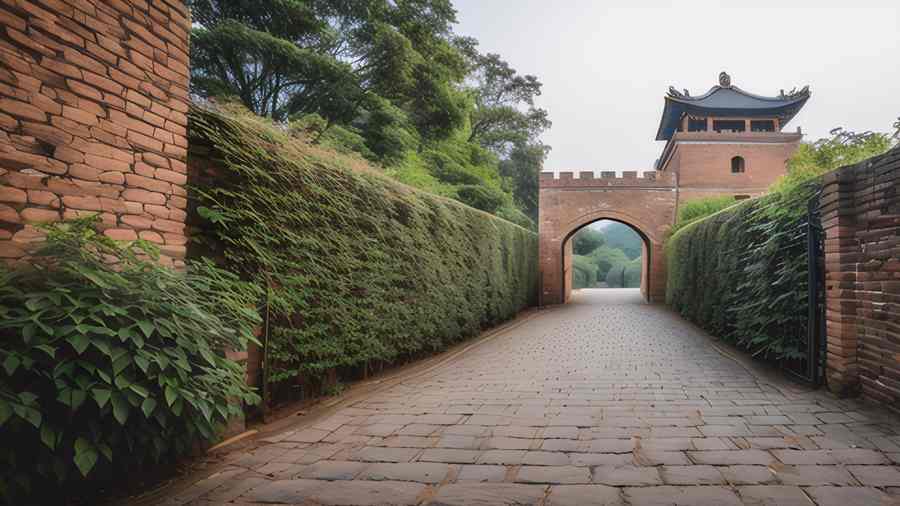
Xunyanglou City Wall is a pass on the Great Wall, two hills and a gate between them, the opening wide enough for one vehicle. The fort is brick, the plaque over the gate worn. Beyond the pass the road follows the ridge, remnants of wall on both sides, bricks rounded by wind. The climb is steep with rails added later, use them. Wind pours through the pass, cool even in summer. Park below the gate, ten minutes on foot. Suojianglou City Wall is a Ming-dynasty wall of grey brick, laid solid, grass in the joints. The gate tower in the middle is timber, painted decoration still there, reached by a narrow stair that takes one person at a time. From the top you see the tiled roofs inside and the moat outside. A walkway runs along the wall, crenellations at waist height. Windy, hold your hat. The ticket covers the climb, and lights at night give it another face. Park on the square outside the wall.
Food
Around Jiujiang eat what the region is known for: clay-pot soup, Nanchang rice noodles, stir-fried wormwood with cured pork and steamed pork with rice powder. Locals eat breakfast in the side alleys; a shop with scooters parked outside is usually a good sign.
Where to stay
A guesthouse in Jiujiang for the night, courtyard big enough for the car and the owner will sketch tomorrow's route. Not luxurious, but clean, hot water reliable, fair price.
Day 2: Jiujiang
Road
A rest day: Jiujiang and its surroundings at an easy pace, everything within a few kilometres, no luggage to move and no schedule to keep.
Sights
Xunyanglou City Wall is a Ming-dynasty wall of grey brick, laid solid, grass in the joints. The gate tower in the middle is timber, painted decoration still there, reached by a narrow stair that takes one person at a time. From the top you see the tiled roofs inside and the moat outside. A walkway runs along the wall, crenellations at waist height. Windy, hold your hat. The ticket covers the climb, and lights at night give it another face. Park on the square outside the wall. Suojianglou City Wall is a pass on the Great Wall, two hills and a gate between them, the opening wide enough for one vehicle. The fort is brick, the plaque over the gate worn. Beyond the pass the road follows the ridge, remnants of wall on both sides, bricks rounded by wind. The climb is steep with rails added later, use them. Wind pours through the pass, cool even in summer. Park below the gate, ten minutes on foot.
Food
Around Jiujiang eat what the region is known for: clay-pot soup, Nanchang rice noodles, stir-fried wormwood with cured pork and steamed pork with rice powder. Restaurants at the gate cost more; two streets into town the same dishes are a third cheaper.
Where to stay
Near the Jiujiang entrance so you can walk in next morning without an early start. On-site lodging costs more but saves parking and queueing. Families should pick one with a yard.
Day 3: Jiujiang – Jingdezhen, 150KM
Road
About 150 kilometres, two to three hours, provincial and county roads first, then motorway. The terrain is Jiangxi, with bends but nothing tight, and long descents where you should use a low gear rather than the brakes. The riverside road has water on one side and rock on the other, fine views but no distractions, with rockfall warnings at the bends.
Sights
Guyaominsubolanqu Folk Craft Site is a fire-and-drum performance passed down for generations, staged at festivals. The village square fills with gear; one drumbeat and a crowd gathers. It is about movement: several men carry a frame and swing it, molten iron thrown against it bursts into sparks. Stand well back, sparks burn cloth. Dirt roads around, park at the village entrance. Shows are usually at night, around eight, an hour long. Cold in winter standing still, wear thick soles. Taoxichuan River Reach runs wide and slow here, banks of slope and trees, the odd boat passing. A riverside path is used for walks and runs morning and evening. Water colour follows the weather, green on clear days, yellow after rain. Steps lead down to the edge in places, the water cool to the touch. The bridge gives the best view of the bend. Willows hang to the surface and shade the bank in summer. Park on the bank, a few steps to the path.
Food
Around Jingdezhen eat what the region is known for: clay-pot soup, Nanchang rice noodles, stir-fried wormwood with cured pork and steamed pork with rice powder. Flavours run strong, so say if you cannot take chilli and the kitchen will usually adapt.
Where to stay
Stay on the edge of old Jingdezhen, restaurants at the door and an evening walk without driving back. Use the underground car park, hourly rate, ask about the overnight charge.
Day 4: Jingdezhen
Road
A full day around Jingdezhen, park the car and walk the rest. Main sights in the morning, a slow afternoon, back before dark.
Sights
Guyaominsubolanqu Folk Craft Site is the local craft, and the workshop shows the whole process with paper, dyes and knives laid out. The old master's hands move fast, a sheet turning into shape in a few folds, and nobody talks while he works. You can try it yourself and take home what you make, priced by size. Finished designs hang on the wall, strong colours, mostly birds, flowers and opera scenes. Dyed paper dries in the yard and rustles in the wind. Buy a couple of sheets at the shop by the gate, cheaper than further out. Taoxichuan River Reach comes down from the mountains, the channel narrow, stones everywhere, water audible all along. An old stone-paved road follows the bank, rhythmic underfoot. Shallows show the pebbles and children play at the edge while adults watch. Farmhouse restaurants line the bank with tables outside and fish caught to order. After rain the water rises fast, stay off the riverbed.
Food
Around Jingdezhen eat what the region is known for: clay-pot soup, Nanchang rice noodles, stir-fried wormwood with cured pork and steamed pork with rice powder. Ask the price first: much is sold by weight, especially seafood and mutton.
Where to stay
Stay in Jingdezhen town, a hotel with parking, easy for dinner in the evening and quick onto the road next morning. Weekday rates are lower than weekends, check that parking is included.
Day 5: Jingdezhen – Fuliang, 25KM
Road
A short leg, 25 kilometres, about an hour, good surface and mostly two lanes, with villages and junctions where scooters and pedestrians appear, so slow down on approach. Set the navigation before leaving and watch for limits and no-U-turn stretches in town.
Sights
Yaoliguzhen Old Town follows a stream, white walls and dark tiles, stepped gables rising one above another. The paving is narrow with little channels down either side where water runs. Several old houses open their doors, courtyards with fish tanks and pomegranate trees, step quietly inside. A covered bridge crosses the stream where people sit and talk, washing below. Early morning is quiet enough to hear the water; by ten the tour groups arrive and the alleys fill. The village car park charges per visit, five minutes on foot. Guxianya Memorial Hall is a memorial hall: a group of statues at the entrance, then rooms arranged by period. Cases hold old photos, letters and everyday objects, not much text, but reading slowly takes you in. A short film of about fifteen minutes explains what happened and why, worth sitting through. Quiet inside, keep voices down and stop children running. Free entry, register with passport, bags through a scanner. Sit in the courtyard afterwards, a few old pines there. Nothing to eat nearby, wait until you are back in town.
Food
Around Fuliang eat what the region is known for: clay-pot soup, Nanchang rice noodles, stir-fried wormwood with cured pork and steamed pork with rice powder. Locals eat breakfast in the side alleys; a shop with scooters parked outside is usually a good sign.
Where to stay
A guesthouse in Fuliang for the night, courtyard big enough for the car and the owner will sketch tomorrow's route. Not luxurious, but clean, hot water reliable, fair price.
Day 6: Fuliang
Road
No long drive today: the car stays at the guesthouse and everything is around Fuliang, on foot or a short hop by car. The sights are close together and there is no need to hurry.
Sights
Yaoliguzhen Old Town old street is short, lined with old houses, brick walls, wooden doors and stone paving, lanterns under the eaves. Most shops belong to locals selling vinegar, cloth and snacks; the ones that do not shout are usually the better ones. Side alleys lead to old courtyards with brick carving over the gate, ask before entering. The town wall and gates survive, and some bricks carry the maker's mark from the kiln. Lanterns come on at dusk and the paving reflects the light, the best hour. Park outside, no cars in the street. Guxianya Memorial Hall is a former residence kept as it was, rooms and furniture in their original arrangement. Photographs and copies of manuscripts hang on the walls, the labels detailed. Nothing may be touched, view from behind the rope. The courtyard is small, twenty minutes to walk through, longer if you read everything. An old tree at the gate gives shade in summer. The ticket includes a guide, and following one fills in a lot of detail.
Food
Around Fuliang eat what the region is known for: clay-pot soup, Nanchang rice noodles, stir-fried wormwood with cured pork and steamed pork with rice powder. Restaurants at the gate cost more; two streets into town the same dishes are a third cheaper.
Where to stay
Near the Fuliang entrance so you can walk in next morning without an early start. On-site lodging costs more but saves parking and queueing. Families should pick one with a yard.
Day 7: Fuliang – Yiyang, 130KM
Road
About 130 kilometres, two to three hours, provincial and county roads first, then motorway. The terrain is Jiangxi, with bends but nothing tight, and long descents where you should use a low gear rather than the brakes. Mountain road with many bends, gradients moderate, tunnels one after another; lights on before entering, and do not accelerate out of them.
Sights
Guifeng Mountain is not a high mountain, but its shape is complete, with a single trail from the valley to the top and a stream running beside it most of the way. A platform halfway up is the place to take photos: on a clear day you see range after range, and in mist only a few trees, which is also worth looking at. The temple at the top is quiet rather than busy, with a few elderly locals sitting under the eaves. Two flights of steps are steep and slippery after rain, so wear shoes with grip. Come down by the other loop trail, gentler, with stone benches to rest on; three hours round trip, and start back before three in the afternoon. Dieshanshuyuan Memorial Hall is a memorial hall: a group of statues at the entrance, then rooms arranged by period. Cases hold old photos, letters and everyday objects, not much text, but reading slowly takes you in. A short film of about fifteen minutes explains what happened and why, worth sitting through. Quiet inside, keep voices down and stop children running. Free entry, register with passport, bags through a scanner. Sit in the courtyard afterwards, a few old pines there. Nothing to eat nearby, wait until you are back in town.
Food
Around Yiyang eat what the region is known for: clay-pot soup, Nanchang rice noodles, stir-fried wormwood with cured pork and steamed pork with rice powder. Flavours run strong, so say if you cannot take chilli and the kitchen will usually adapt.
Where to stay
Stay on the edge of old Yiyang, restaurants at the door and an evening walk without driving back. Use the underground car park, hourly rate, ask about the overnight charge.
Day 8: Yiyang
Road
A rest day: Yiyang and its surroundings at an easy pace, everything within a few kilometres, no luggage to move and no schedule to keep.
Sights
Guifeng Mountain is the most substantial mountain on this stretch. The path starts on a gentle slope, then turns into stone steps halfway up, well built and manageable even for older walkers. Pine and oak cover the slopes, green in spring and rust-red in autumn, and a viewing platform halfway up takes in the whole ridge line and the villages below. There is usually a small temple or pavilion at the summit; it is windy up there, so bring a jacket. The cable car takes about ten minutes one way, while walking up takes ninety minutes, so riding up and walking down suits most people. Mountain weather changes quickly: clear in the morning, misty by afternoon, with cloud drifting up from the valley floor. Dieshanshuyuan Memorial Hall is a former residence kept as it was, rooms and furniture in their original arrangement. Photographs and copies of manuscripts hang on the walls, the labels detailed. Nothing may be touched, view from behind the rope. The courtyard is small, twenty minutes to walk through, longer if you read everything. An old tree at the gate gives shade in summer. The ticket includes a guide, and following one fills in a lot of detail.
Food
Around Yiyang eat what the region is known for: clay-pot soup, Nanchang rice noodles, stir-fried wormwood with cured pork and steamed pork with rice powder. Ask the price first: much is sold by weight, especially seafood and mutton.
Where to stay
Stay in Yiyang town, a hotel with parking, easy for dinner in the evening and quick onto the road next morning. Weekday rates are lower than weekends, check that parking is included.
Day 9: Yiyang – Longhu Mountain, 45KM
Road
A short leg, 45 kilometres, about an hour, good surface and mostly two lanes, with villages and junctions where scooters and pedestrians appear, so slow down on approach. Set the navigation before leaving and watch for limits and no-U-turn stretches in town.
Sights
Tianshifu Memorial Hall is a former residence kept as it was, rooms and furniture in their original arrangement. Photographs and copies of manuscripts hang on the walls, the labels detailed. Nothing may be touched, view from behind the rope. The courtyard is small, twenty minutes to walk through, longer if you read everything. An old tree at the gate gives shade in summer. The ticket includes a guide, and following one fills in a lot of detail. Xianshuiyan Mountain is the most substantial mountain on this stretch. The path starts on a gentle slope, then turns into stone steps halfway up, well built and manageable even for older walkers. Pine and oak cover the slopes, green in spring and rust-red in autumn, and a viewing platform halfway up takes in the whole ridge line and the villages below. There is usually a small temple or pavilion at the summit; it is windy up there, so bring a jacket. The cable car takes about ten minutes one way, while walking up takes ninety minutes, so riding up and walking down suits most people. Mountain weather changes quickly: clear in the morning, misty by afternoon, with cloud drifting up from the valley floor.
Food
Around Longhu Mountain eat what the region is known for: clay-pot soup, Nanchang rice noodles, stir-fried wormwood with cured pork and steamed pork with rice powder. Locals eat breakfast in the side alleys; a shop with scooters parked outside is usually a good sign.
Where to stay
A guesthouse in Longhu Mountain for the night, courtyard big enough for the car and the owner will sketch tomorrow's route. Not luxurious, but clean, hot water reliable, fair price.
Day 10: Longhu Mountain
Road
A full day around Longhu Mountain, park the car and walk the rest. Main sights in the morning, a slow afternoon, back before dark.
Sights
Tianshifu Memorial Hall is a memorial hall: a group of statues at the entrance, then rooms arranged by period. Cases hold old photos, letters and everyday objects, not much text, but reading slowly takes you in. A short film of about fifteen minutes explains what happened and why, worth sitting through. Quiet inside, keep voices down and stop children running. Free entry, register with passport, bags through a scanner. Sit in the courtyard afterwards, a few old pines there. Nothing to eat nearby, wait until you are back in town. Xianshuiyan Mountain is not a high mountain, but its shape is complete, with a single trail from the valley to the top and a stream running beside it most of the way. A platform halfway up is the place to take photos: on a clear day you see range after range, and in mist only a few trees, which is also worth looking at. The temple at the top is quiet rather than busy, with a few elderly locals sitting under the eaves. Two flights of steps are steep and slippery after rain, so wear shoes with grip. Come down by the other loop trail, gentler, with stone benches to rest on; three hours round trip, and start back before three in the afternoon.
Food
Around Longhu Mountain eat what the region is known for: clay-pot soup, Nanchang rice noodles, stir-fried wormwood with cured pork and steamed pork with rice powder. Restaurants at the gate cost more; two streets into town the same dishes are a third cheaper.
Where to stay
Near the Longhu Mountain entrance so you can walk in next morning without an early start. On-site lodging costs more but saves parking and queueing. Families should pick one with a yard.
Day 11: Longhu Mountain – Sanqing Mountain, 150KM
Road
About 150 kilometres, two to three hours, provincial and county roads first, then motorway. The terrain is Jiangxi, with bends but nothing tight, and long descents where you should use a low gear rather than the brakes. Out of town it is motorway, good surface, limit of a hundred, service areas every few dozen kilometres for fuel and a break.
Sights
Sanqing Mountain Mountain is not a high mountain, but its shape is complete, with a single trail from the valley to the top and a stream running beside it most of the way. A platform halfway up is the place to take photos: on a clear day you see range after range, and in mist only a few trees, which is also worth looking at. The temple at the top is quiet rather than busy, with a few elderly locals sitting under the eaves. Two flights of steps are steep and slippery after rain, so wear shoes with grip. Come down by the other loop trail, gentler, with stone benches to rest on; three hours round trip, and start back before three in the afternoon. Nanqingyuan Park is the city's green space, a lake in the middle, a loop path where people run and practise tai chi at dawn. The trees are decades old and the shade joins up in summer. Pavilions and covered corridors where old men play chess and sing opera. Free entry, no queue. Car park at the east gate is small, come early. An easy circuit of forty minutes, or sit all afternoon. Ducks and carp in the lake, feed sold on site.
Food
Around Sanqing Mountain eat what the region is known for: clay-pot soup, Nanchang rice noodles, stir-fried wormwood with cured pork and steamed pork with rice powder. Flavours run strong, so say if you cannot take chilli and the kitchen will usually adapt.
Where to stay
Stay on the edge of old Sanqing Mountain, restaurants at the door and an evening walk without driving back. Use the underground car park, hourly rate, ask about the overnight charge.
Day 12: Sanqing Mountain – Shangrao, 65KM
Road
A short leg, 65 kilometres, about an hour, good surface and mostly two lanes, with villages and junctions where scooters and pedestrians appear, so slow down on approach. Set the navigation before leaving and watch for limits and no-U-turn stretches in town.
Sights
Xinjiangshuyuan Memorial Hall is a memorial hall: a group of statues at the entrance, then rooms arranged by period. Cases hold old photos, letters and everyday objects, not much text, but reading slowly takes you in. A short film of about fifteen minutes explains what happened and why, worth sitting through. Quiet inside, keep voices down and stop children running. Free entry, register with passport, bags through a scanner. Sit in the courtyard afterwards, a few old pines there. Nothing to eat nearby, wait until you are back in town. Lingshan Mountain is not a high mountain, but its shape is complete, with a single trail from the valley to the top and a stream running beside it most of the way. A platform halfway up is the place to take photos: on a clear day you see range after range, and in mist only a few trees, which is also worth looking at. The temple at the top is quiet rather than busy, with a few elderly locals sitting under the eaves. Two flights of steps are steep and slippery after rain, so wear shoes with grip. Come down by the other loop trail, gentler, with stone benches to rest on; three hours round trip, and start back before three in the afternoon.
Food
Around Shangrao eat what the region is known for: clay-pot soup, Nanchang rice noodles, stir-fried wormwood with cured pork and steamed pork with rice powder. Ask the price first: much is sold by weight, especially seafood and mutton.
Where to stay
Stay in Shangrao town, a hotel with parking, easy for dinner in the evening and quick onto the road next morning. Weekday rates are lower than weekends, check that parking is included.
Day 13: Shangrao – Hongan, 550KM
Road
This leg is 550 kilometres, five hours or more, a transfer day. Motorway the whole way, good surface, but long, so plan two stops and do not push through. Reach the guesthouse before dark rather than driving mountain roads at night. The riverside road has water on one side and rock on the other, fine views but no distractions, with rockfall warnings at the bends.
Sights
Huangmaqiyijinianyuan Memorial Hall is a former residence kept as it was, rooms and furniture in their original arrangement. Photographs and copies of manuscripts hang on the walls, the labels detailed. Nothing may be touched, view from behind the rope. The courtyard is small, twenty minutes to walk through, longer if you read everything. An old tree at the gate gives shade in summer. The ticket includes a guide, and following one fills in a lot of detail. Tiantaishan Mountain is the most substantial mountain on this stretch. The path starts on a gentle slope, then turns into stone steps halfway up, well built and manageable even for older walkers. Pine and oak cover the slopes, green in spring and rust-red in autumn, and a viewing platform halfway up takes in the whole ridge line and the villages below. There is usually a small temple or pavilion at the summit; it is windy up there, so bring a jacket. The cable car takes about ten minutes one way, while walking up takes ninety minutes, so riding up and walking down suits most people. Mountain weather changes quickly: clear in the morning, misty by afternoon, with cloud drifting up from the valley floor.
Food
Around Hongan eat what the region is known for: clay-pot soup, Nanchang rice noodles, stir-fried wormwood with cured pork and steamed pork with rice powder. Locals eat breakfast in the side alleys; a shop with scooters parked outside is usually a good sign.
Where to stay
A guesthouse in Hongan for the night, courtyard big enough for the car and the owner will sketch tomorrow's route. Not luxurious, but clean, hot water reliable, fair price.
Tips for the drive
- Documents: carry your passport, hotels and ticket desks ask for it. China does not accept an international driving permit; your home licence needs a Chinese translation and a Chinese temporary licence from the vehicle office.
- Install WeChat and a Chinese map app; fuel, parking and tickets are mostly paid by QR code, cash only at small stalls.
- Fuel: fill up before entering the mountains, stations are far apart and some take cash or WeChat only.
- Weather: in November the north is already cold, ice can linger on shaded bends; the south is mild by day and cool at night, so bring rain gear.
- Driving habits: slow through villages, never overtake on bends, avoid mountain roads after dark, and show your documents politely at a check.
- Whether you are on a foreign car entry self-drive trip or renting locally, the whole route is asphalt, an ordinary saloon car is enough, no 4x4 needed.
About this route
Distances are the sum of the daily figures and an estimate; navigation will differ by twenty or thirty kilometres either way. Lodging and ticket hours shift with the season, so confirm before setting out. Every stop here comes from the route library entry, nothing added on the way.
By the end of the loop the numbers matter less than the meals and the stretches of road between them. Park the car, walk slowly.