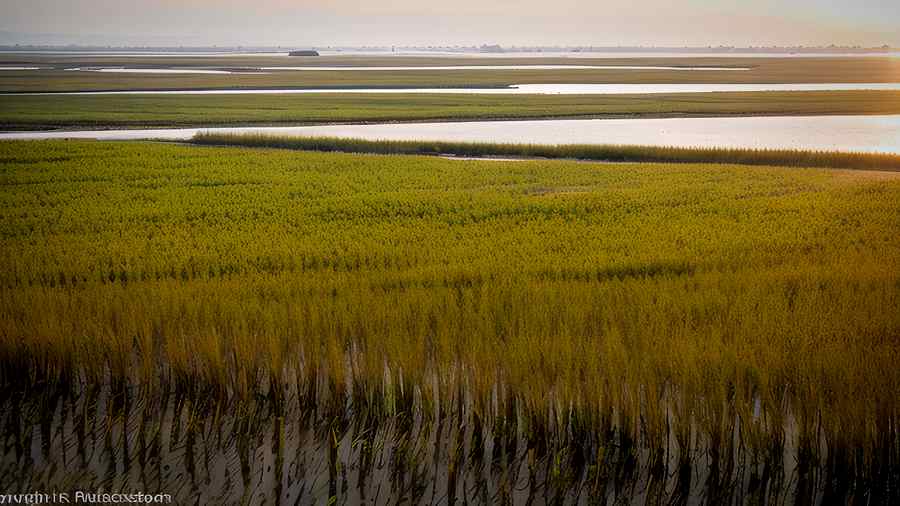
The whole loop is flat. Really flat: the highest thing between Suqian and the sea is a levee. Roads are straight, four lanes for most of the distance, and the traffic is farm trucks and electric scooters. Suqian to Huai'an is a hundred and thirty kilometres on the G25 and its feeders, an hour and a half. Huai'an to Yancheng is a hundred and fifty kilometres east, with one stretch of two-lane through rice country. Yancheng's coast is another hour beyond the city, out to the reed flats where the road runs between fish ponds. The return to Suqian is a hundred and eighty kilometres north-west, all expressway. Foreign plates here are a curiosity, not a problem: the checks are ordinary, and the pitfalls are bicycles coming out of villages without looking and the fact that half the interesting places are down single-track lanes.
Trip overview
- 460 km over four days: 130, 150, 0, 180
- Canal towns, a Qing dynasty water gate, and a coastal reed flat
- Flat, fast roads; the risk is village scooters, not gradients
- Spring for the lotus, autumn for the reeds and the birds
Four days is right for this loop. Three would mean driving every afternoon; five would leave you with a spare day in a city that does not need one.
D1、Suqian—Huai'an 130KM
Road
A hundred and thirty kilometres south-east, mostly expressway, with the last fifteen kilometres on the old canal road into the city centre. Nothing difficult; the toll booth at the Suqian ring road takes cash and cards.
Sights
Suqian before leaving: the canal frontage where the Grand Canal meets the old wharf, the pagoda on the east bank, and the small museum of the local wine trade. Then Huai'an, which is the reason for the day: the water gate complex where the canal was raised and lowered, the old office buildings above it, and the lane of stone houses behind. The gate is a working piece of eighteenth-century engineering and it still reads as one.
Food
Suqian for lunch: braised pork in a dark sauce, and the local flatbread. Huai'an in the evening is one of the great kitchen towns of Jiangsu: soft-shell turtle, eel in oil, and a clear soup of the local greens.
Where to stay
Huai'an, near the canal, with parking. The old-town guesthouses are charming but the lanes are too narrow for a car, so park at the gate and walk.
D2、Huai'an—Yancheng 150KM
Road
A hundred and fifty kilometres east, half expressway, half a two-lane road through rice and shrimp ponds. Farm vehicles appear without warning at harvest; the road is flat so the sight lines are long, which is the only reason it is safe.
Sights
The first stop out of Huai'an is the Zhou Enlai memorial hall, a low modern building with a courtyard, twenty minutes and free. Then the canal town of Hexia, where the streets are stone and the houses lean over the water, and a boat can be taken under the arches. In Yancheng, if there is light left, the wetland museum explains the reed flats and the red-crowned cranes before you go out to see them.
Food
Lunch at a roadside place near Hexia: river shrimp, braised duck, and rice from the paddies next door. Yancheng in the evening does coastal food: clams, mud crab, and a soup of the local seaweed.
Where to stay
Yancheng city centre for the first night, so the coast is a morning drive rather than a dusk one.
D3、Yancheng coast 0KM
Road
No long drive; the coast road out to the reed flats is forty minutes each way and I count it as part of the day, not as a leg.
Sights
The Yancheng biosphere reserve is a flat world of reed beds, channels and fish ponds, and the crane museum at the entrance is small and honest about how few birds remain. The boardwalk out into the reeds is the point: wind, water, and the sound of a hundred thousand stems moving together. In the afternoon, the salt works at the edge of the reserve show the old evaporation pans, and the sea wall is a good place to watch the light go.
Food
Lunch at the reserve restaurant: fish from the ponds, steamed, and a plate of the local crab. Dinner back in the city, at a stall doing grilled shellfish.
Where to stay
Same hotel in Yancheng.
D4、Yancheng—Suqian 180KM
Road
A hundred and eighty kilometres north-west, all expressway, two hours if the wind is not against you. One service area halfway with clean toilets and a decent noodle shop.
Sights
A slow morning before the drive: the Yancheng urban wetland park inside the city, a lake with a boardwalk and a pagoda, an hour on foot. Then the drive, and if you arrive in Suqian with light left, the old canal street at dusk, when the lamps come on over the water and the boats tie up for the night.
Food
Breakfast in Yancheng: rice porridge with pickles and a steamed bun. Lunch at the service area, dinner back in Suqian at the canal.
Where to stay
No need for a hotel if you are heading on the next morning; Suqian's stations are on the ring road.
Practical tips
- Village scooters pull out without looking. On the two-lane stretches keep your hand near the horn, not the brake.
- The reed flats are closed on the windiest days for fire risk; call the reserve before the drive out.
- Most of the canal towns do not admit cars inside the old lanes. Park at the signed gate car park and walk in.
- Huai'an's old town lanes are narrower than the map suggests. A compact car is easier than anything with a long wheelbase.
- Spring is lotus season on the lakes and autumn is reed season on the coast; midsummer is hot and the mosquitoes are serious.
- Keep the Foreign Car Entry Self-Drive papers and the Renting a Car in China as a Foreigner contract in the door pocket; the checks on this loop are routine but they do happen.
About this route
Four days, 460 km, all of it flat: two canal towns, one coastal reed flat, and a return leg with nothing to prove. The driving is easy; the difficulty is slowing down enough to walk the water gates properly.
Distances and times are from my own log on this loop. Yunnan Province International Travel Agency (Group) Co., Ltd. answers port entry, temporary plate and route questions on weekdays; contact Zara.
Route notes by Zara, Yunnan Province International Travel Agency (Group) Co., Ltd.