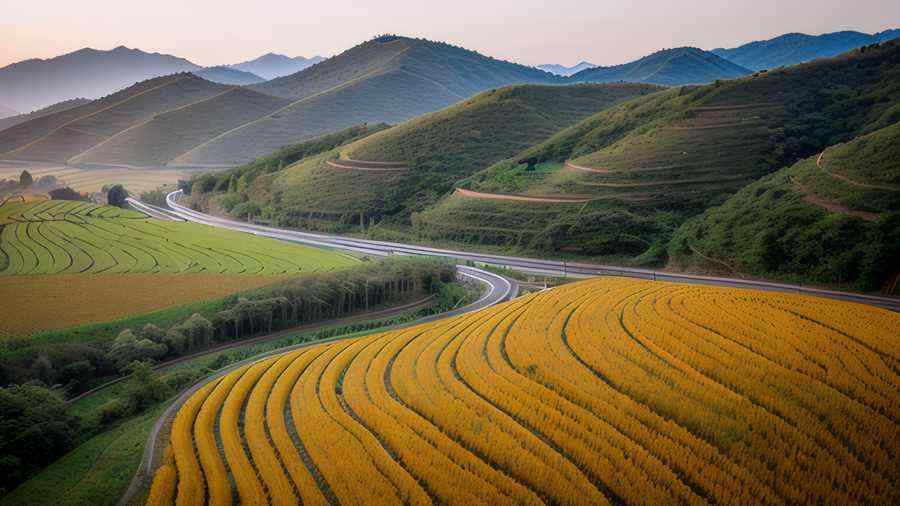
There are two ways to drive in China. One is foreign car entry self-drive: your car is declared at a land port such as Mohan or Khorgos, gets a temporary plate, and the paperwork is finished at the port. The other is renting a car in China as a foreigner: you fly in, collect a car in Changsha, and need only a passport, your home licence and a Chinese temporary licence. This Hunan route works for both.
Route overview
- Day 1: Changsha – Yueyang, 155 km — Yueyanglou Site, Junshandao Island
- Day 2: Yueyang – Taohuayuan, 205 km — Taohuayuanjingqu Scenic Area, Qinrencun Old Town
- Day 3: Taohuayuan – Changsha, 195 km — return leg
555 kilometres over 3 days, an average of 185 km a day. Moderate, with tighter days and early starts, with room left at the sights.
Day 1: Changsha – Yueyang, 155KM
Road
155 kilometres, two to two and a half hours, flat road first then hills with continuous bends, oncoming traffic takes the inside line. The land here is Hunan: 湘西山地与湘中丘陵. If you are on a foreign car entry self-drive trip, the temporary plate issued at the port must be displayed inside the windscreen front and rear; show plate and temporary licence at a check.
Sights
Yueyanglou Site is worth a stop on a driving day rather than a destination. One main sight, few facilities, good light and open ground. Park neatly and do not block a doorway.
Junshandao Island sits offshore, a short ring road with reef and beach outside and villages within. Sand is fine, surf gentle, swimming areas marked by buoys. Wind never stops, hold your hat. Ferries keep a timetable, remember the last sailing or you stay overnight. Seafood stalls near the pier post prices; confirm portions first. Lanes are narrow, keep a rental out of the alleys.
Food
In Yueyang, start with chopped-chilli fish head, stinky tofu, Hunan rice noodles. On driving days pick a small place full of locals, order two hot dishes and a soup. Portions are generous, so order less than you think.
Where to stay
Tonight is a guesthouse in Yueyang, with a yard where the car fits and an owner who explains tomorrow's road. Clean, hot water reliable, price fair.
Day 2: Yueyang – Taohuayuan, 205KM
Road
205 kilometres mostly asphalt with one stretch under repair and single-lane working, a fifteen-minute wait is normal. The land here is Hunan: 湘西山地与湘中丘陵.
Sights
Taohuayuanjingqu Scenic Area covers too much for one day, pick two or three points. Take the paper map at the visitor centre. Food inside is pricey, carry snacks. Viewing decks have rails. Low evening light gives depth, but note the last shuttle. Parking charges per entry.
Qinrencun Old Town preserves a block of old houses, lanes following original lines, many turns. Walls are grey brick, eaves carved, a few gateways keep old plaques. No vehicles inside and wheeled cases do not roll on flagstone. Vendors with baskets come at dawn, crowds at noon, quiet at night. Parking and toilets at the village mouth, entry free, some courtyards charge.
Food
In Taohuayuan, start with chopped-chilli fish head, stinky tofu, Hunan rice noodles. On driving days pick a small place full of locals, order two hot dishes and a soup. The food is hearty and keeps you awake for the afternoon leg.
Where to stay
A business hotel in Taohuayuan town, twin room with private bathroom, parking below, restaurants within walking distance.
Day 3: Taohuayuan – Changsha, 195KM
Road
195 kilometres of main road and county road, farm machinery and walkers along the fields, so keep under sixty. The land here is Hunan: 湘西山地与湘中丘陵.
Sights
The last day is for driving and returning the car, with no added stops. Leave after breakfast, fill the tank, and take one break at a service area for water, hot food and a quick check of tyres and washer fluid. The return runs mostly on main roads and traffic thickens near the city, so set the drop-off or hotel in the navigation early and avoid circling. If the car goes back today, allow an hour for inspection and handover, clear your belongings, and keep fuel and parking receipts. A village gate or a river bend can justify ten minutes for photographs, but do not change the route: after dark the hills and trucks make the last stretch the worst of the trip, and arriving early beats seeing more.
Food
In Changsha, start with chopped-chilli fish head, stinky tofu, Hunan rice noodles. On driving days pick a small place full of locals, order two hot dishes and a soup. Locals eat simply and well, and the bill stays modest.
Where to stay
A family inn at the gate of Changsha, plain rooms kept clean, mountains outside the window. Parking in the yard, quiet at night.
Trip tips
- Paperwork: carry your passport; hotels and ticket desks ask for it. China does not accept an international licence, so your home licence needs a Chinese translation and then a Chinese temporary licence.
- Install WeChat and Amap; fuel, parking and tickets are mostly paid by QR code.
- Fuel: fill up before the hills, stations are far apart and some take only cash or WeChat.
- Weather: In November southern mornings are cool and afternoons mild, with a wide range in the hills; carry rain gear and a thin jacket.
- Driving habits: slow through villages, no overtaking on bends, avoid mountain roads after dark, show documents calmly at checks.
- Whether you are on foreign car entry self-drive or in a rental, the whole route is asphalt and an ordinary saloon is enough.
About this route
Distances are the sum of the daily figures and the navigation will differ by twenty or thirty kilometres; lodging and ticket times change with the season, so confirm before departure. Every node comes from the route database, with no inserted sights.
At the end of the loop, 555 kilometres is not the hard part; the time goes on stopping to eat and to look. Park properly, walk slowly, and the meals and roadside views become the point of the trip.