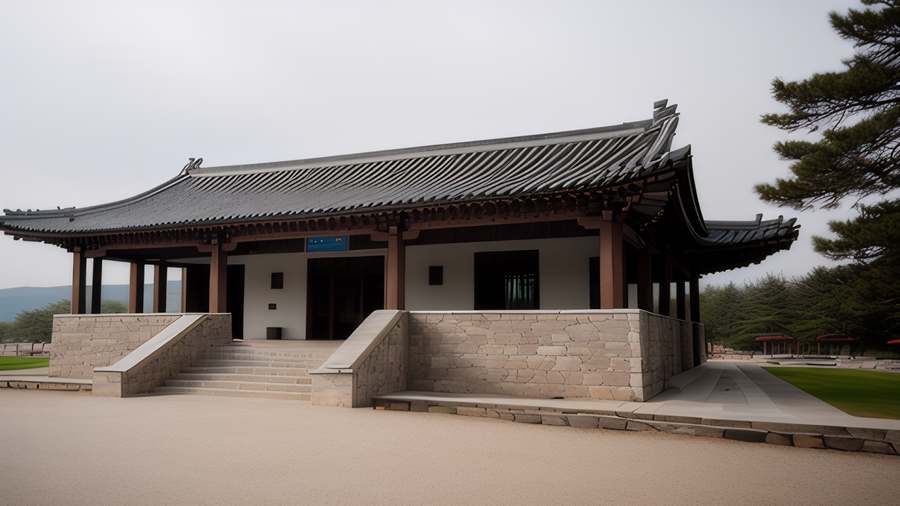
There are two ways to drive in China. One is foreign car entry self-drive: your own vehicle is cleared through a land border such as Mohan or Khorgos, gets a temporary plate, and the paperwork is finished at the crossing. The other is renting a car in China as a foreigner: you fly in, collect a car in Mo he, and you only need your passport, your home licence and a Chinese temporary driving permit. This Heilongjiang route suits both — the only difference is where the car comes from.
Route at a glance
- D1 Mo he–Hei he, 560 km: Aihuilishiguan, Jiangbiangongyuan
- D2 Hei he, a day here: Aihuilishiguan, Jiangbiangongyuan
- D3 Hei he, a day here: Aihuilishiguan, Jiangbiangongyuan
- D4 Hei he, a day here: Aihuilishiguan, Jiangbiangongyuan
- D5 Hei he, a day here: Aihuilishiguan, Jiangbiangongyuan
- D6 Hei he, a day here: Aihuilishiguan, Jiangbiangongyuan
- D7 Hei he, a day here: Aihuilishiguan, Jiangbiangongyuan
- D8 Hei he, a day here: Aihuilishiguan, Jiangbiangongyuan
- D9 Hei he–Mo he, 560 km
1120 km over 9 days, about 124 km a day, and the rest of the time goes to sights and food. It starts and finishes in Mo he, so there is no backtracking.
D1 Mo he–Hei he, 560 km
The road
560 km from Mo he to Hei he — a day on the road, four hours or more behind the wheel. Big plains and big forest, long border rivers, very cold in winter. Start early, stop halfway for lunch, adjust the seat and crack a window; long drives put you to sleep. Do not push on after dark, when the bends in the hills disappear; an extra night is cheaper than the alternative. Park first, then buy tickets; attendants direct you near the gate. If you are on a foreign car entry self-drive trip, note that toll booths on this stretch all take a staffed lane — easiest with a temporary plate.
What you see
Aihuilishiguan tells the local history: cases start with early objects and run through to the people and events of the last century, with photographs, artefacts and clear labels. An hour covers it, two if you read. A few key pieces draw a crowd, so go early if you want a proper look. Outside there is a planted park, flat and easy, and some quiet memorial areas where voices should stay low and photos are not appropriate. Most museums close on Mondays — check before you go; there is a security check at the door. Parking is usually on site and full at weekends. Jiangbiangongyuan is where people in Mo he actually spend their evenings: runners and tai chi in the morning, families after work, an easy atmosphere. Lawns, water and paths join up into a loop of an hour or two, flat enough for a stroller, with coffee, bookshops and snacks around the edges. Holidays are crowded and parking is scarce; a taxi or the metro is simpler. After dark the lighting makes it better than by day — good for a walk after dinner.
Food
Local plates to look for in Heilongjiang: guo luo pancakes, pork-and-pickle stew, red sausage and iron-pot stew. In Mo he the good places are the small ones with local cars parked outside and a full table — fair prices, steady cooking. Ask the price before ordering anything sold by weight, and skip seafood that does not look fresh that day.
Where to stay
Stay near the site at Mo he so you do not drive back the next morning, or return to town where food and supplies are easier. Conversions have character but thin walls — light sleepers should pick a newer building.
D2 Hei he, a day here
The road
A day around Hei he, with little driving; leave the car at the guesthouse and walk or take a taxi. Roads here are short hops and two or three sights fit comfortably in a day — do not spend it all in the car.
What you see
Aihuilishiguan tells the local history: cases start with early objects and run through to the people and events of the last century, with photographs, artefacts and clear labels. An hour covers it, two if you read. A few key pieces draw a crowd, so go early if you want a proper look. Outside there is a planted park, flat and easy, and some quiet memorial areas where voices should stay low and photos are not appropriate. Most museums close on Mondays — check before you go; there is a security check at the door. Parking is usually on site and full at weekends. Jiangbiangongyuan is where people in Hei he actually spend their evenings: runners and tai chi in the morning, families after work, an easy atmosphere. Lawns, water and paths join up into a loop of an hour or two, flat enough for a stroller, with coffee, bookshops and snacks around the edges. Holidays are crowded and parking is scarce; a taxi or the metro is simpler. After dark the lighting makes it better than by day — good for a walk after dinner.
Food
Local plates to look for in Heilongjiang: guo luo pancakes, pork-and-pickle stew, red sausage and iron-pot stew. In Hei he the good places are the small ones with local cars parked outside and a full table — fair prices, steady cooking. Ask the price before ordering anything sold by weight, and skip seafood that does not look fresh that day.
Where to stay
Tonight is in the Hei he area; nothing fancy is needed, just clean with parking. If tomorrow is a long drive, take the side facing the road out of town and save half an hour in the morning.
D3 Hei he, a day here
The road
A day around Hei he, with little driving; leave the car at the guesthouse and walk or take a taxi. Roads here are short hops and two or three sights fit comfortably in a day — do not spend it all in the car.
What you see
Aihuilishiguan tells the local history: cases start with early objects and run through to the people and events of the last century, with photographs, artefacts and clear labels. An hour covers it, two if you read. A few key pieces draw a crowd, so go early if you want a proper look. Outside there is a planted park, flat and easy, and some quiet memorial areas where voices should stay low and photos are not appropriate. Most museums close on Mondays — check before you go; there is a security check at the door. Parking is usually on site and full at weekends. Jiangbiangongyuan is where people in Hei he actually spend their evenings: runners and tai chi in the morning, families after work, an easy atmosphere. Lawns, water and paths join up into a loop of an hour or two, flat enough for a stroller, with coffee, bookshops and snacks around the edges. Holidays are crowded and parking is scarce; a taxi or the metro is simpler. After dark the lighting makes it better than by day — good for a walk after dinner.
Food
Local plates to look for in Heilongjiang: guo luo pancakes, pork-and-pickle stew, red sausage and iron-pot stew. In Hei he the good places are the small ones with local cars parked outside and a full table — fair prices, steady cooking. Ask the price before ordering anything sold by weight, and skip seafood that does not look fresh that day.
Where to stay
Rooms in Hei he are mostly county hotels and guesthouses. The chain hotels in town have parking and clean rooms at lower rates than the sites; guesthouses near the gate have bigger courtyards and suit families. Rates jump at weekends and in season, so book ahead.
D4 Hei he, a day here
The road
A day around Hei he, with little driving; leave the car at the guesthouse and walk or take a taxi. Roads here are short hops and two or three sights fit comfortably in a day — do not spend it all in the car.
What you see
Aihuilishiguan tells the local history: cases start with early objects and run through to the people and events of the last century, with photographs, artefacts and clear labels. An hour covers it, two if you read. A few key pieces draw a crowd, so go early if you want a proper look. Outside there is a planted park, flat and easy, and some quiet memorial areas where voices should stay low and photos are not appropriate. Most museums close on Mondays — check before you go; there is a security check at the door. Parking is usually on site and full at weekends. Jiangbiangongyuan is where people in Hei he actually spend their evenings: runners and tai chi in the morning, families after work, an easy atmosphere. Lawns, water and paths join up into a loop of an hour or two, flat enough for a stroller, with coffee, bookshops and snacks around the edges. Holidays are crowded and parking is scarce; a taxi or the metro is simpler. After dark the lighting makes it better than by day — good for a walk after dinner.
Food
Local plates to look for in Heilongjiang: guo luo pancakes, pork-and-pickle stew, red sausage and iron-pot stew. In Hei he the good places are the small ones with local cars parked outside and a full table — fair prices, steady cooking. Ask the price before ordering anything sold by weight, and skip seafood that does not look fresh that day.
Where to stay
Stay near the site at Hei he so you do not drive back the next morning, or return to town where food and supplies are easier. Conversions have character but thin walls — light sleepers should pick a newer building.
D5 Hei he, a day here
The road
A day around Hei he, with little driving; leave the car at the guesthouse and walk or take a taxi. Roads here are short hops and two or three sights fit comfortably in a day — do not spend it all in the car.
What you see
Aihuilishiguan tells the local history: cases start with early objects and run through to the people and events of the last century, with photographs, artefacts and clear labels. An hour covers it, two if you read. A few key pieces draw a crowd, so go early if you want a proper look. Outside there is a planted park, flat and easy, and some quiet memorial areas where voices should stay low and photos are not appropriate. Most museums close on Mondays — check before you go; there is a security check at the door. Parking is usually on site and full at weekends. Jiangbiangongyuan is where people in Hei he actually spend their evenings: runners and tai chi in the morning, families after work, an easy atmosphere. Lawns, water and paths join up into a loop of an hour or two, flat enough for a stroller, with coffee, bookshops and snacks around the edges. Holidays are crowded and parking is scarce; a taxi or the metro is simpler. After dark the lighting makes it better than by day — good for a walk after dinner.
Food
Local plates to look for in Heilongjiang: guo luo pancakes, pork-and-pickle stew, red sausage and iron-pot stew. In Hei he the good places are the small ones with local cars parked outside and a full table — fair prices, steady cooking. Ask the price before ordering anything sold by weight, and skip seafood that does not look fresh that day.
Where to stay
Tonight is in the Hei he area; nothing fancy is needed, just clean with parking. If tomorrow is a long drive, take the side facing the road out of town and save half an hour in the morning.
D6 Hei he, a day here
The road
A day around Hei he, with little driving; leave the car at the guesthouse and walk or take a taxi. Roads here are short hops and two or three sights fit comfortably in a day — do not spend it all in the car.
What you see
Aihuilishiguan tells the local history: cases start with early objects and run through to the people and events of the last century, with photographs, artefacts and clear labels. An hour covers it, two if you read. A few key pieces draw a crowd, so go early if you want a proper look. Outside there is a planted park, flat and easy, and some quiet memorial areas where voices should stay low and photos are not appropriate. Most museums close on Mondays — check before you go; there is a security check at the door. Parking is usually on site and full at weekends. Jiangbiangongyuan is where people in Hei he actually spend their evenings: runners and tai chi in the morning, families after work, an easy atmosphere. Lawns, water and paths join up into a loop of an hour or two, flat enough for a stroller, with coffee, bookshops and snacks around the edges. Holidays are crowded and parking is scarce; a taxi or the metro is simpler. After dark the lighting makes it better than by day — good for a walk after dinner.
Food
Local plates to look for in Heilongjiang: guo luo pancakes, pork-and-pickle stew, red sausage and iron-pot stew. In Hei he the good places are the small ones with local cars parked outside and a full table — fair prices, steady cooking. Ask the price before ordering anything sold by weight, and skip seafood that does not look fresh that day.
Where to stay
Rooms in Hei he are mostly county hotels and guesthouses. The chain hotels in town have parking and clean rooms at lower rates than the sites; guesthouses near the gate have bigger courtyards and suit families. Rates jump at weekends and in season, so book ahead.
D7 Hei he, a day here
The road
A day around Hei he, with little driving; leave the car at the guesthouse and walk or take a taxi. Roads here are short hops and two or three sights fit comfortably in a day — do not spend it all in the car.
What you see
Aihuilishiguan tells the local history: cases start with early objects and run through to the people and events of the last century, with photographs, artefacts and clear labels. An hour covers it, two if you read. A few key pieces draw a crowd, so go early if you want a proper look. Outside there is a planted park, flat and easy, and some quiet memorial areas where voices should stay low and photos are not appropriate. Most museums close on Mondays — check before you go; there is a security check at the door. Parking is usually on site and full at weekends. Jiangbiangongyuan is where people in Hei he actually spend their evenings: runners and tai chi in the morning, families after work, an easy atmosphere. Lawns, water and paths join up into a loop of an hour or two, flat enough for a stroller, with coffee, bookshops and snacks around the edges. Holidays are crowded and parking is scarce; a taxi or the metro is simpler. After dark the lighting makes it better than by day — good for a walk after dinner.
Food
Local plates to look for in Heilongjiang: guo luo pancakes, pork-and-pickle stew, red sausage and iron-pot stew. In Hei he the good places are the small ones with local cars parked outside and a full table — fair prices, steady cooking. Ask the price before ordering anything sold by weight, and skip seafood that does not look fresh that day.
Where to stay
Stay near the site at Hei he so you do not drive back the next morning, or return to town where food and supplies are easier. Conversions have character but thin walls — light sleepers should pick a newer building.
D8 Hei he, a day here
The road
A day around Hei he, with little driving; leave the car at the guesthouse and walk or take a taxi. Roads here are short hops and two or three sights fit comfortably in a day — do not spend it all in the car.
What you see
Aihuilishiguan tells the local history: cases start with early objects and run through to the people and events of the last century, with photographs, artefacts and clear labels. An hour covers it, two if you read. A few key pieces draw a crowd, so go early if you want a proper look. Outside there is a planted park, flat and easy, and some quiet memorial areas where voices should stay low and photos are not appropriate. Most museums close on Mondays — check before you go; there is a security check at the door. Parking is usually on site and full at weekends. Jiangbiangongyuan is where people in Hei he actually spend their evenings: runners and tai chi in the morning, families after work, an easy atmosphere. Lawns, water and paths join up into a loop of an hour or two, flat enough for a stroller, with coffee, bookshops and snacks around the edges. Holidays are crowded and parking is scarce; a taxi or the metro is simpler. After dark the lighting makes it better than by day — good for a walk after dinner.
Food
Local plates to look for in Heilongjiang: guo luo pancakes, pork-and-pickle stew, red sausage and iron-pot stew. In Hei he the good places are the small ones with local cars parked outside and a full table — fair prices, steady cooking. Ask the price before ordering anything sold by weight, and skip seafood that does not look fresh that day.
Where to stay
Tonight is in the Hei he area; nothing fancy is needed, just clean with parking. If tomorrow is a long drive, take the side facing the road out of town and save half an hour in the morning.
D9 Hei he–Mo he, 560 km
The road
560 km from Hei he to Mo he — a day on the road, four hours or more behind the wheel. Big plains and big forest, long border rivers, very cold in winter. Start early, stop halfway for lunch, adjust the seat and crack a window; long drives put you to sleep. Do not push on after dark, when the bends in the hills disappear; an extra night is cheaper than the alternative. Park first, then buy tickets; attendants direct you near the gate.
What you see
Most of today's scenery is out of the window: the road runs from Hei he toward Mo he, hills, fields and villages changing section by section, and there is always somewhere to pull over. Big plains and big forest, long border rivers, very cold in winter. Nothing here needs a ticket, which suits a slower pace and a plain lunch in a small shop. Do not run this in the dark; the junctions into town are busy and the satnav will reroute you.
Food
Local plates to look for in Heilongjiang: guo luo pancakes, pork-and-pickle stew, red sausage and iron-pot stew. In Hei he the good places are the small ones with local cars parked outside and a full table — fair prices, steady cooking. Ask the price before ordering anything sold by weight, and skip seafood that does not look fresh that day.
Where to stay
Rooms in Hei he are mostly county hotels and guesthouses. The chain hotels in town have parking and clean rooms at lower rates than the sites; guesthouses near the gate have bigger courtyards and suit families. Rates jump at weekends and in season, so book ahead.
Trip notes
- Documents: carry your passport — hotels and ticket desks ask for it. China does not accept the IDP, so a home licence needs a Chinese translation and a temporary permit.
- Install WeChat and Amap before you fly; fuel, parking and tickets are almost all QR-paid, cash only at small stalls.
- Tolls: charged by section on inter-provincial runs; card or QR both work. Holiday free periods bring traffic, so time your drive around them.
- Weather: big temperature swings in the hills and by the lakes, so pack a layer even in summer; in the rainy season take long descents in a low gear instead of riding the brakes.
- Driving habits: slow through villages, never overtake on a blind bend; cross-winds on bridges and the coast need both hands on the wheel and room around trucks.
- However you plan it, foreign car entry self-drive and picking up a rental car use the same roads; an ordinary sedan is enough, and leave rear space if you have luggage.
About this route
Distances are estimates; trust your navigation. Room rates and opening hours shift with the season, so confirm before you set off. Most stops sell tickets at the gate, but a few popular ones need advance booking and queues at holidays.
9 days of this loop is neither hard nor tiring: the daily runs are short, the sights sit either side of the road, and you can start early for more or sit longer in town. Park the car, and walk.