There are two ways to drive in China. One is foreign car entry self-drive: your car is declared at a land port such as Mohan or Khorgos, gets a temporary plate, and the paperwork is finished at the port; the vehicle is your own. The other is renting a car in China as a foreigner: you fly in, collect a car in Fuzhou, and all you need is a passport, your home licence and a Chinese temporary licence. This Fujian route works for both; the only difference is where the car comes from.
Trip overview
- Day 1: Fuzhou – Zhouning, 145 km: Liyuxi River Reach, Jiulongji Waterfall
- Day 2: Zhouning: Liyuxi River Reach, Jiulongji Waterfall
- Day 3: Zhouning – Taimu Mountain, 105 km: Taimu Mountain Mountain, Jiulixi River Reach
- Day 4: Taimu Mountain: Taimu Mountain Mountain, Jiulixi River Reach
- Day 5: Taimu Mountain – Xiapu, 35 km: Beiqitantu Wetland, Yangjiaxi River Reach
- Day 6: Xiapu: Beiqitantu Wetland, Yangjiaxi River Reach
- Day 7: Xiapu – Fuding, 65 km: Niulanggang Coast, Yushandao Coast
- Day 8: Fuding – Fuzhou, 205 km: return leg
555 km in 8 days, 69 km a day on average. Easy going, suitable for a first drive in China, with slack between the sights.
Day 1: Fuzhou – Zhouning, 145KM
Road
About 145 kilometres, two to three hours, provincial and county roads first, then motorway. The terrain is Fujian, with bends but nothing tight, and long descents where you should use a low gear rather than the brakes. Out of town it is motorway, good surface, limit of a hundred, service areas every few dozen kilometres for fuel and a break. If you are on a foreign car entry self-drive trip, the temporary plate issued at the port must be displayed inside the windscreen front and rear; show the plate and your temporary licence at a check and there is nothing to worry about.
Sights
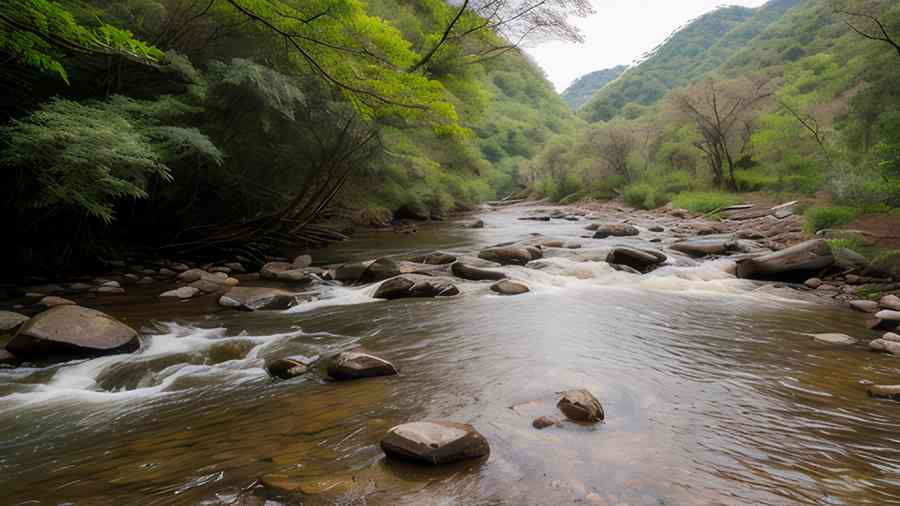
Liyuxi River Reach comes down from the mountains, the channel narrow, stones everywhere, water audible all along. An old stone-paved road follows the bank, rhythmic underfoot. Shallows show the pebbles and children play at the edge while adults watch. Farmhouse restaurants line the bank with tables outside and fish caught to order. After rain the water rises fast, stay off the riverbed. Jiulongji Waterfall depends on the season. In the wet months the whole cliff face carries water, the roar reaches you from several hundred metres away and spray soaks your sleeves. Two viewing platforms: the upper one for the full picture, the lower one close to the water where you watch it break white over the rocks. In the dry season the flow narrows and the rock layers underneath show, page upon page of geology. Steps are wet and slippery, do not lean over the railing, and put a strap on your phone. Backlit in the morning, front-lit in the afternoon, so come after lunch if you want clear shots. A short trail leads upstream from the viewpoint to a bend in the river.
Food
Around Zhouning eat what the region is known for: satay noodles, oyster omelette, thin noodle soup and seaweed rice. Locals eat breakfast in the side alleys; a shop with scooters parked outside is usually a good sign.
Where to stay
A guesthouse in Zhouning for the night, courtyard big enough for the car and the owner will sketch tomorrow's route. Not luxurious, but clean, hot water reliable, fair price.
Day 2: Zhouning
Road
A rest day: Zhouning and its surroundings at an easy pace, everything within a few kilometres, no luggage to move and no schedule to keep.
Sights
Liyuxi River Reach runs wide and slow here, banks of slope and trees, the odd boat passing. A riverside path is used for walks and runs morning and evening. Water colour follows the weather, green on clear days, yellow after rain. Steps lead down to the edge in places, the water cool to the touch. The bridge gives the best view of the bend. Willows hang to the surface and shade the bank in summer. Park on the bank, a few steps to the path. Jiulongji Waterfall is the narrowest drop on the Yellow River: the river squeezes into a channel a few dozen metres wide and hammers down through the rock, and standing at the railing you feel the ground shake. The platform runs along the cliff edge, and the current looks different from every angle; the western spot gets the least spray. It is windy, hats go flying and camera lenses fog over in minutes, so bring a cloth. Plenty of steps, forty minutes up and down, take it slowly if your knees complain. In the dry season you can see the stone channel the water has carved over tens of thousands of years.
Food
Around Zhouning eat what the region is known for: satay noodles, oyster omelette, thin noodle soup and seaweed rice. Restaurants at the gate cost more; two streets into town the same dishes are a third cheaper.
Where to stay
Near the Zhouning entrance so you can walk in next morning without an early start. On-site lodging costs more but saves parking and queueing. Families should pick one with a yard.
Day 3: Zhouning – Taimu Mountain, 105KM
Road
A short leg, 105 kilometres, about an hour, good surface and mostly two lanes, with villages and junctions where scooters and pedestrians appear, so slow down on approach. Set the navigation before leaving and watch for limits and no-U-turn stretches in town.
Sights
Taimu Mountain Mountain is not a high mountain, but its shape is complete, with a single trail from the valley to the top and a stream running beside it most of the way. A platform halfway up is the place to take photos: on a clear day you see range after range, and in mist only a few trees, which is also worth looking at. The temple at the top is quiet rather than busy, with a few elderly locals sitting under the eaves. Two flights of steps are steep and slippery after rain, so wear shoes with grip. Come down by the other loop trail, gentler, with stone benches to rest on; three hours round trip, and start back before three in the afternoon. Jiulixi River Reach runs wide and slow here, banks of slope and trees, the odd boat passing. A riverside path is used for walks and runs morning and evening. Water colour follows the weather, green on clear days, yellow after rain. Steps lead down to the edge in places, the water cool to the touch. The bridge gives the best view of the bend. Willows hang to the surface and shade the bank in summer. Park on the bank, a few steps to the path.
Food
Around Taimu Mountain eat what the region is known for: satay noodles, oyster omelette, thin noodle soup and seaweed rice. Flavours run strong, so say if you cannot take chilli and the kitchen will usually adapt.
Where to stay
Stay on the edge of old Taimu Mountain, restaurants at the door and an evening walk without driving back. Use the underground car park, hourly rate, ask about the overnight charge.
Day 4: Taimu Mountain
Road
A full day around Taimu Mountain, park the car and walk the rest. Main sights in the morning, a slow afternoon, back before dark.
Sights
Taimu Mountain Mountain is the most substantial mountain on this stretch. The path starts on a gentle slope, then turns into stone steps halfway up, well built and manageable even for older walkers. Pine and oak cover the slopes, green in spring and rust-red in autumn, and a viewing platform halfway up takes in the whole ridge line and the villages below. There is usually a small temple or pavilion at the summit; it is windy up there, so bring a jacket. The cable car takes about ten minutes one way, while walking up takes ninety minutes, so riding up and walking down suits most people. Mountain weather changes quickly: clear in the morning, misty by afternoon, with cloud drifting up from the valley floor. Jiulixi River Reach comes down from the mountains, the channel narrow, stones everywhere, water audible all along. An old stone-paved road follows the bank, rhythmic underfoot. Shallows show the pebbles and children play at the edge while adults watch. Farmhouse restaurants line the bank with tables outside and fish caught to order. After rain the water rises fast, stay off the riverbed.
Food
Around Taimu Mountain eat what the region is known for: satay noodles, oyster omelette, thin noodle soup and seaweed rice. Ask the price first: much is sold by weight, especially seafood and mutton.
Where to stay
Stay in Taimu Mountain town, a hotel with parking, easy for dinner in the evening and quick onto the road next morning. Weekday rates are lower than weekends, check that parking is included.
Day 5: Taimu Mountain – Xiapu, 35KM
Road
A short leg, 35 kilometres, about an hour, good surface and mostly two lanes, with villages and junctions where scooters and pedestrians appear, so slow down on approach. Set the navigation before leaving and watch for limits and no-U-turn stretches in town.
Sights
Beiqitantu Wetland is grassland to the horizon, the road barely bends, nothing in sight but grass, sky and sheep. The pasture is fenced into blocks; do not drive onto the grass, damage has to be paid for. Greenest in July and August, turning yellow in September, each with its own look. Windy and the sun is strong, hat and sunscreen. Cattle and sheep cross the road now and then, slow down and let them. The straight road makes you sleepy, stop every two hours. Stay overnight in a herder's yard and the stars come out whole. Yangjiaxi River Reach runs wide and slow here, banks of slope and trees, the odd boat passing. A riverside path is used for walks and runs morning and evening. Water colour follows the weather, green on clear days, yellow after rain. Steps lead down to the edge in places, the water cool to the touch. The bridge gives the best view of the bend. Willows hang to the surface and shade the bank in summer. Park on the bank, a few steps to the path.
Food
Around Xiapu eat what the region is known for: satay noodles, oyster omelette, thin noodle soup and seaweed rice. Locals eat breakfast in the side alleys; a shop with scooters parked outside is usually a good sign.
Where to stay
A guesthouse in Xiapu for the night, courtyard big enough for the car and the owner will sketch tomorrow's route. Not luxurious, but clean, hot water reliable, fair price.
Day 6: Xiapu
Road
No long drive today: the car stays at the guesthouse and everything is around Xiapu, on foot or a short hop by car. The sights are close together and there is no need to hurry.
Sights
Beiqitantu Wetland is open wetland with reeds taller than a person and channels twisting through them. A birding hide sits over the water at the end of a boardwalk, best at dawn and dusk when geese and herons move in flocks. The walk takes forty minutes; do not climb the railing. Mosquitoes in summer, so long sleeves and repellent. At sunset the reeds light up and ripple in the wind like water. Electric carts run if you would rather not walk. Park at the entrance, ten minutes to the boardwalk. Yangjiaxi River Reach comes down from the mountains, the channel narrow, stones everywhere, water audible all along. An old stone-paved road follows the bank, rhythmic underfoot. Shallows show the pebbles and children play at the edge while adults watch. Farmhouse restaurants line the bank with tables outside and fish caught to order. After rain the water rises fast, stay off the riverbed.
Food
Around Xiapu eat what the region is known for: satay noodles, oyster omelette, thin noodle soup and seaweed rice. Restaurants at the gate cost more; two streets into town the same dishes are a third cheaper.
Where to stay
Near the Xiapu entrance so you can walk in next morning without an early start. On-site lodging costs more but saves parking and queueing. Families should pick one with a yard.
Day 7: Xiapu – Fuding, 65KM
Road
A short leg, 65 kilometres, about an hour, good surface and mostly two lanes, with villages and junctions where scooters and pedestrians appear, so slow down on approach. Set the navigation before leaving and watch for limits and no-U-turn stretches in town.
Sights
Niulanggang Coast is a headland with water on three sides, windy, waves breaking white over the rocks. A wooden boardwalk follows the cliff with several viewpoints looking across to island silhouettes. The water is clear enough to see reef and fish on a bright day. Swimming is on the sheltered side where lifeguards sit; do not go in where the flags say no. A few small shops sell coconuts and seafood, ask the price first. At sunset the whole sea turns orange, the best hour of the day. Windy, so hold on to hats and anything light. Yushandao Coast is the most open stretch of the whole route, sand running from one end to the other, fine enough that bare feet do not sting. At low tide you can walk tens of metres out and still be in shallow water, which suits children. The bay faces away from the wind, so the water stays flat even when it blows outside. Rocks at one end expose crabs and shells at low tide, watch your fingers turning stones. Sunrise is at the eastern end, the sun coming straight out of the sea, which means a five o'clock start. No shade on the sand, bring a hat and sunscreen. Parking at the entrance is charged per visit.
Food
Around Fuding eat what the region is known for: satay noodles, oyster omelette, thin noodle soup and seaweed rice. Flavours run strong, so say if you cannot take chilli and the kitchen will usually adapt.
Where to stay
Stay on the edge of old Fuding, restaurants at the door and an evening walk without driving back. Use the underground car park, hourly rate, ask about the overnight charge.
Day 8: Fuding – Fuzhou, 205KM
Road
About 205 kilometres, two to three hours, provincial and county roads first, then motorway. The terrain is Fujian, with bends but nothing tight, and long descents where you should use a low gear rather than the brakes. The riverside road has water on one side and rock on the other, fine views but no distractions, with rockfall warnings at the bends.
Sights
This is mostly a driving day and the scenery is what passes the window: around Fuzhou the land is Fujian, fields and scattered villages, an old tree at a village mouth, grain drying in the sun. Pull over where it is safe and walk a little, look at the fields and the hills behind, take a few photographs. The real sights come tomorrow; today the job is to drive steadily and reach the guesthouse on time.
Food
Around Fuzhou eat what the region is known for: satay noodles, oyster omelette, thin noodle soup and seaweed rice. Ask the price first: much is sold by weight, especially seafood and mutton.
Where to stay
Stay in Fuzhou town, a hotel with parking, easy for dinner in the evening and quick onto the road next morning. Weekday rates are lower than weekends, check that parking is included.
Tips for the drive
- Documents: carry your passport, hotels and ticket desks ask for it. China does not accept an international driving permit; your home licence needs a Chinese translation and a Chinese temporary licence from the vehicle office.
- Install WeChat and a Chinese map app; fuel, parking and tickets are mostly paid by QR code, cash only at small stalls.
- Fuel: fill up before entering the mountains, stations are far apart and some take cash or WeChat only.
- Weather: in November the north is already cold, ice can linger on shaded bends; the south is mild by day and cool at night, so bring rain gear.
- Driving habits: slow through villages, never overtake on bends, avoid mountain roads after dark, and show your documents politely at a check.
- Whether you are on a foreign car entry self-drive trip or renting locally, the whole route is asphalt, an ordinary saloon car is enough, no 4x4 needed.
About this route
Distances are the sum of the daily figures and an estimate; navigation will differ by twenty or thirty kilometres either way. Lodging and ticket hours shift with the season, so confirm before setting out. Every stop here comes from the route library entry, nothing added on the way.
By the end of the loop the numbers matter less than the meals and the stretches of road between them. Park the car, walk slowly.