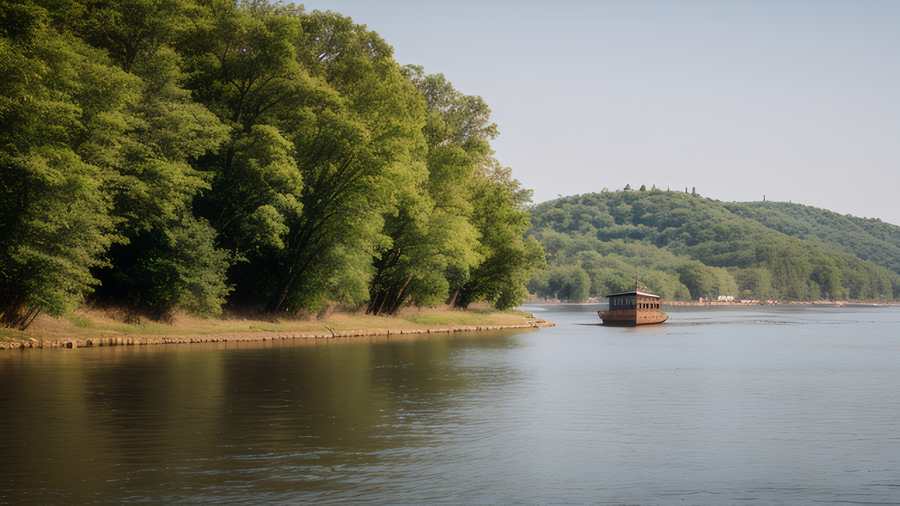
Most visitors to Liaoning arrive in Shenyang and leave after the imperial palace, but the province's north-east corner runs through forest valleys, the Korean border river and a string of offshore islands that are almost never put on a first-timer's list. I drove it as a twelve-day loop from Shenyang, 80 kilometres north to Tieling, two days in the hills around Qingyuan, then Fushun's Manchu country, south-east to the Kuandian mountains and the island off that coast, west to Huanren, down the Yalu to Dandong, across to Zhuanghe, and 290 kilometres back along the motorway to the city. The loop moves from plain-edge wetlands to steep Changbai foothill valleys, then to the border river and the Bohai coast. The mountain roads climb and fall through forest, the border stretches run along the river, and two island stops need a ferry: the car stays at the pier, you cross on foot. If you are weighing Foreign Car Entry Self-Drive for this loop, the honest answer is that bringing your own vehicle across the border suits a long open-ended trip far better than a 1145 kilometre twelve-day week; Renting a Car in China as a Foreigner at the Shenyang station or airport, where the agency desk sorts the licence translation and the customs bond before you leave, gives you the whole loop in twelve days with the car handed back in the same place.
Trip overview
- Day 1 – Shenyang to Tieling, 80 km: Longshou Hill, Lianhua Lake wetland.
- Day 2 – Tieling, 0 km on the loop: hill park paths and wetland boardwalk.
- Day 3 – Tieling to Qingyuan, 115 km: Honghe Gorge, Kuangzigou forest valley.
- Day 4 – Qingyuan, 0 km on the loop: gorge stream and woodland waterfalls.
- Day 5 – Qingyuan to Fushun, 100 km: Hetu Ala old city, Lei Feng memorial.
- Day 6 – Fushun, 0 km on the loop: Manchu courtyards and memorial halls.
- Day 7 – Fushun to Kuandian, 170 km: Huangyishan, Dalu Island by ferry.
- Day 8 – Kuandian, 0 km on the loop: volcanic gorge and island fishing village.
- Day 9 – Kuandian to Huanren, 60 km: Nvwu Mountain, Huanlong Lake.
- Day 10 – Huanren to Dandong, 180 km: Yalu River Broken Bridge, Hushan Great Wall.
- Day 11 – Dandong to Zhuanghe, 150 km: Bingyu Gorge, Haiwang Nine Islands by ferry.
- Day 12 – Zhuanghe back to Shenyang, 290 km: motorway return, city by night.
Total 1145 km over twelve days, an average of about 95 km a day, with four play days in Tieling, Qingyuan, Fushun and Kuandian; the last stage is the long motorway haul back to Shenyang.
Day 1 · Shenyang to Tieling, 80 km
Road
Leave Shenyang in the morning and take the northern highway toward Tieling; 80 kilometres, about an hour and a quarter on a wide plain road with farm villages and the occasional slow tractor on the side junctions. There are county towns along the way where you can fill fuel and stop for tea. Longshou Hill sits above the old part of Tieling town, and the Lianhua Lake wetland is on the new-town side; both have signed small car parks near the entrance.
Sights
The afternoon starts with Longshou Hill, the wooded ridge that runs along the east side of old Tieling. The paths climb through pine and oak up to the hilltop pavilions, where the view opens west over the plain and the river flats beyond the town; an old temple site and a stone stele stand among the trees, and the shaded walkways are the kind the townspeople use every evening. Then Lianhua Lake wetland on the new-town side: a restored marsh lake ringed with reed beds and wooden boardwalks, where the shallow channels hold herons and the water birds that stop over in migration season. The boardwalks run out over the water to small observation platforms, and the reed beds give the whole site a quiet, flat-country atmosphere that contrasts with the hills further up the loop. Late afternoon light on the lake is the best hour, when the reeds turn golden and the birds come back to the channels.
Food
Tieling's own snack is the beef fire-shao, a small crisp pastry filled with seasoned beef, eaten hot from the grill stall; the plain-country kitchens here do cabbage braised with pork, steamed sticky rice cakes and wild mushrooms from the nearby hills. In the old town streets there are noodle shops serving beef broth with hand-pulled noodles.
Where to stay
Stay in Tieling town near the hill park, where the hotels are cheap and the old-town food street is within walking distance. The wetland side has newer guesthouses with quiet yards, but fewer evening choices.
Day 2 · Tieling, 0 km on the loop
Road
No driving today. The hill and the wetland are short local hops from the hotel; leave the car in the yard and walk up to Longshou Hill in the morning, then take a local taxi or a short ride to the lake in the afternoon.
Sights
The morning goes back to Longshou Hill at a slower pace: follow the ridge path from one pavilion to the next, take the side trails that climb to the higher rocks, and look out over the plain where the farm fields run flat to the horizon. The old temple courtyard keeps a few restored halls and a wall of inscribed tablets, and the bench-lined paths are where the town's elders practise calligraphy and board games in the cool of the day. After lunch, the Lianhua Lake wetland at leisure: walk the full boardwalk loop past the reed beds, stop at the observation platforms to watch the herons working the shallows, and follow the channel path to the small water-bird hide. In migration weeks the lake holds ducks and waders in numbers, and even out of season the marsh channels and the reed skyline are worth the walk. Keep the afternoon easy; there is no transfer today, and the point of the play day is the plain-country water and the hill shade rather than a packed list of sites.
Food
Breakfast in the old town: soybean milk and a steamed sticky rice cake, or the local fire-shao from the morning stall. Lunch at a plain-country kitchen: cabbage and pork stew, a plate of wild mushrooms with greens, and rice porridge. Evening back near the hotel, a bowl of beef-noodle soup and a side of pickled vegetables.
Where to stay
Second night in Tieling, same hotel. Tomorrow climbs into the hills, so pack the warm layer for the valley days ahead.
Day 3 · Tieling to Qingyuan, 115 km
Road
North-east out of the plain into the Qingyuan hills; 115 kilometres, about two and a half hours, first on the plain road and then climbing into narrow forest valleys. The valley section has bends and slopes, with slow farm trucks and the occasional livestock cart; keep to the daylight and overtake only on open straight stretches. Both Qingyuan sites have gate-side car parks and short paths from the lot to the trailhead.
Sights
The day runs into the Changbai foothill country above Qingyuan. Honghe Gorge follows a mountain stream cut through forest rock: the path traces the water past boulders and shallow pools, where the current runs clear over stones and the trees close over the channel so the walk stays shaded through the warmest part of the day. The gorge opens at a wider bend where the stream slows, and side paths climb to small viewpoints over the wooded valley. Then Kuangzigou, a forest valley north of the county seat: mixed pine and oak on the slopes, a chain of small waterfalls down the gully, and paths that follow the stream between the falls. The woods here keep their own season, and the leaves turn over a short week in autumn; in summer the gullies stay cool, and the ferns and wild herbs grow thick along the water. Both sites are working forest country, not landscaped gardens, and the villagers along the road keep vegetable plots and mushroom beds on the lower slopes.
Food
Qingyuan's cooking is valley food: river fish from the mountain streams, wild vegetables gathered on the slopes, hazel mushrooms stewed with free-range chicken, and corn cakes baked on the iron griddle. Roadside stalls sell dried fungus and walnuts in season, and the county seat has simple noodle shops serving hot broth after a gorge walk.
Where to stay
Stay in Qingyuan county seat, where the hotels cluster near the main street and the morning drive up to the gorges is short. Forest lodges near the trailheads are quieter but have fewer rooms and close early in the week.
Day 4 · Qingyuan, 0 km on the loop
Road
No driving today. The gorge and the forest valley are a short ride from town; leave the car at the hotel and take a local taxi or the village shuttle between the two.
Sights
The morning back at Honghe Gorge, from the upper end: the path comes down through the trees to the first pool, then follows the stream past the rapids where the villagers wash vegetables in the shallows. The deeper pools are where the locals sit in summer heat, and the side climb to the small overlook gives the whole gorge its shape: wooded walls on both sides, the water threading down the middle, and the fields of the valley far below. After lunch, Kuangzigou at a walking pace: trace the gully from the lowest waterfall up through the fern beds to the upper falls, where the water drops over a slab of rock into a shaded pool. The paths here are stone and earth, the trees close overhead, and the sound of the stream follows the whole walk. Take the afternoon slowly; there is no transfer today, and the play day is for the gorge shade and the forest water rather than a long list of stops. Watch the weather on the ridge: a mountain shower can turn the stone paths slippery, so keep to the marked trail and wear grip-soled shoes.
Food
Lunch at a farmhouse below the gorge: free-range chicken stewed with hazel mushrooms, stir-fried wild greens, and a bowl of millet rice. Back in town in the evening, river fish steamed simply, corn cakes with pickle, and a pot of local wild tea.
Where to stay
Second night in Qingyuan, same hotel. Rest the legs after the two gorge walks, and pack the warmer layer for the Fushun and Kuandian days.
Day 5 · Qingyuan to Fushun, 100 km
Road
South-east down out of the hills to Fushun; 100 kilometres, about two hours, the road leaving the valley country for the industrial plain of the Hun River. The first half climbs and drops through forest ridges, the second opens onto county towns and river flats, where traffic thickens toward the city. Fill fuel in a county town before the final approach, and arrive in daylight so the memorial sites are still open.
Sights
Fushun's first stop is Hetu Ala old city, the Manchu walled town set in the countryside under the county's old jurisdiction: a restored enclosure of wooden halls, courtyard houses and stone gate towers laid out along the old street, with exhibits on Manchu family life, dress and the early tribal alliance. The courtyards keep the pitched-roof Manchu houses, the ancestral halls and the old trade displays, and the guide boards explain the layout of the original settlement in plain terms. The second stop is the Lei Feng Memorial Hall in the Fushun city area: a memorial complex with a statue forecourt, a hall of exhibits following the life of the soldier, photographs and household objects from the years he served locally, and a small park around the buildings. The memorial asks for plain dress and quiet voices in the halls; the old-city part of the day is the ordinary walking tour of courtyards and gate towers.
Food
Fushun's own staple is the spicy mixed plate, a street-night stir-fry of noodles, greens, tofu and meat dressed with chilli and sesame; the Manchu table tradition sets out eight small dishes and eight bowls, with steamed leaf-wrapped cakes and sour millet noodles among the staples. City restaurants serve river fish and pork stewed with pickled cabbage, and the old-town lanes have stalls selling sweet pastries.
Where to stay
Stay in Fushun city near the old quarter, where the hotels look over the river and the night food street is close by. The old-city lodges in the countryside are quieter but sit outside the city and have fewer evening options.
Day 6 · Fushun, 0 km on the loop
Road
No driving today. The old city and the memorial hall are short local hops; leave the car in the hotel yard and use a taxi or the local bus between the two.
Sights
Morning back at Hetu Ala, to read the courtyards in daylight: the restored halls hold the Manchu household displays, the gate towers show the old defensive layout, and the lane between the courtyards keeps craft stalls selling woven and carved items made in the local tradition. A guide at the entrance can walk through the settlement's history and the way the tribal households were arranged, and the side courtyards show farm tools, cooking vessels and clothing of the old mountain communities. After lunch, the Lei Feng Memorial Hall again at leisure: the relic rooms hold old documents, uniform pieces and photographs from the service years, and the statue forecourt follows the familiar scenes from local teaching displays. The park around the hall has shaded walks and benches where the townspeople rest in the afternoon. Leave time to walk the river embankment near the city in the late afternoon, where the local families come out after the day's work; the old quarter lanes keep small craft shops and snack counters worth a slow look.
Food
Breakfast in the city: rice porridge with pickles and a leaf-wrapped steamed cake. Lunch at a Manchu-table restaurant: the eight small dishes and bowls, with pork stewed with cabbage and steamed rice cakes to follow. Evening a spicy mixed plate from the night stall, with a bowl of sour millet noodles.
Where to stay
Second night in Fushun, same hotel. Tomorrow is a long transfer south-east to the Kuandian mountains, so pack in the evening and check out early.
Day 7 · Fushun to Kuandian, 170 km
Road
South-east into the Kuandian mountain country; 170 kilometres, about three hours, the longest transfer before the border. The road climbs out of the Hun plain onto forested ridges, then drops through narrow valleys with slow farm vehicles on the bends. Keep to the daylight, fill fuel in the last county town, and allow time in the afternoon for the first mountain site. The island off this coast is reached from the pier: the car stays in the pier car park, passengers cross by ferry, and vehicles are not carried to the island.
Sights
The first site today is Huangyishan, the mountain park above Kuandian: a volcanic landscape of dark basalt columns and a forested gorge around a reservoir arm, with paths along the rim and down the valley to the water's edge. The basalt formations run in columnar stacks along the gorge wall, the reservoir arm opens at the foot of the slopes, and the shaded walkways follow the water through the trees. Then the coastal side: Dalu Island, reached by ferry from the mainland pier. On the crossing the fishing villages and low rocky islets come into view, and the island keeps a working harbour, a fishing village lane, a stretch of coarse sand and reefs along the shore. The car does not go over: leave it at the signed pier lot, take the foot ferry, and walk the island on foot or by the local electric shuttle. Check the last sailing back before you land, since evening ferries are limited; the island guesthouses take walk-in guests if you choose to stay the night, but the easier plan is a day return.
Food
Kuandian's mountain kitchens cook river fish and mountain game in simple braises, corn cakes on the griddle, wild herbs from the slopes and preserved pork with dried beans. At the island harbour there are seafood counters selling the day's catch, shellfish steamed simply and dried fish from the village nets; ask the price per portion before ordering shellfish by weight.
Where to stay
Stay in Kuandian county seat near the main road, where the hotels are cheap and the restaurants are within walking distance. Island guesthouses exist but fill through the holiday weeks, and the last ferry limits the evening return; the mountain lodges near Huangyishan are an alternative if you want to be close to the gorge.
Day 8 · Kuandian, 0 km on the loop
Road
No driving today. Huangyishan and the island ferry are short local hops; leave the car at the hotel, and if you take the island again, walk or shuttle to the pier and park there rather than driving on.
Sights
The morning back at Huangyishan at a slower pace: follow the rim path along the basalt columns, take the side trail down to the reservoir arm, and sit by the water where the valley opens out. The gorge trail below the rim threads between rock stacks and pine stands, and the stone pavilions along the route are old stopping places with the view over the wooded valley. If the sea state is calm, the afternoon can go back over to Dalu Island: walk the harbour lane past the fishing boats, follow the shore path to the sandy cove and the reefs at the headland, and watch the village nets laid out to dry on the stones. The island's inland paths rise to low grassy knolls with the sea on both sides, and the ferry crossing gives the view back to the mainland hills. If the wind or tide rules out the boat, keep the afternoon to the Huangyishan woods and the reservoir walk; the play day does not depend on the crossing going ahead. Photography on the island follows the local pier rules, and the village keeps its own quiet hours in the evening.
Food
Breakfast in county seat: corn porridge, pickles and a steamed cake. Lunch on the island: the day's catch grilled or steamed, shellfish with garlic, and a bowl of seaweed soup. Evening back in town, a mountain braise of pork with wild herbs and a plate of corn cakes.
Where to stay
Second night in Kuandian, same hotel. Tomorrow moves west to Huanren over a short mountain road, so the packing is light.
Day 9 · Kuandian to Huanren, 60 km
Road
West through the hills to Huanren; 60 kilometres, about an hour and a half on a county road that climbs between forested ridges and drops into the Huanren valley. The section is short but bendy, with slow farm carts on the tight corners; drive in daylight and overtake only on open stretches. Both Huanren sites sit close to the county town, with small signed car parks near the entrances.
Sights
Huanren is set in a bend of the lake country, and the day's two sites sit back to back. Nvwu Mountain rises above the county as an old walled stronghold on the ridge: the summit path climbs through forest to the stone ramparts and ruined terraces on the top, where the view opens over the valley and the long water of Huanlong Lake below. The wall traces the ridge line, the scattered foundations mark the old enclosures, and the hilltop pavilions give the westward view over the lake bays. Then Huanlong Lake, the broad reservoir that curls around the county: a lakeside road and pier where pleasure boats run between the coves, the water held between forested slopes, and reed shallows along the shore where fish and water birds work the shallows. The lake walk runs along the embankment to the small fishing villages, and the boat trip out to the middle coves shows how the water threads between the hills. The mountain and the lake are the same landscape seen from above and from the water; allow a morning for the climb and an afternoon for the boat.
Food
Huanren's produce is mountain and lake food: local chestnuts roasted or stewed with chicken, lake fish steamed with ginger, wild herbs from the slopes, and the county's northern-grown ice wine made from local grapes. Roadside stalls sell dried chestnuts and wild walnuts, and the county seat has simple eateries serving lake-fish noodle soup after the climb.
Where to stay
Stay in Huanren county town near the lake road, where the hotels are close to both sites and the evening walk along the embankment is short. Lakeside lodges outside the town are quieter but have fewer rooms and sit a longer ride from the pier.
Day 10 · Huanren to Dandong, 180 km
Road
South and east down to the Yalu valley and Dandong; 180 kilometres, about three hours, another long stage on the loop. The first half runs through mountain counties and forest ridges, the second opens onto the river plain where traffic builds toward the border city. Fill fuel in the last county town, and arrive in daylight so the bridge site and the wall visit fit the opening hours.
Sights
Dandong sits on the Yalu, facing the opposite bank across the river. The day's first stop is the Broken Bridge in the city: the remaining span of the old river crossing, kept as a memorial on the waterfront, with the walkway out along the surviving steel truss and the river current running below. The waterfront promenade runs between the bridge and the riverside parks, and the view across the water shows the opposite bank's hills and shoreline under the local border rules. Then Hushan Great Wall, north-east of the city: the eastern stretch of the Ming wall climbing a wooded ridge above the river, with restored wall sections, watchtowers along the crest and a summit path that looks down the river valley to the plains. The wall path follows the ridgeline between stone towers, and the higher watchtowers give the long view along both banks. Border sites follow their own opening hours and photography signs; keep to the marked paths, and do not stray toward the river edge beyond the designated viewpoints.
Food
Dandong's border-kitchen cooking mixes river and sea food: cold buckwheat noodles in the local style, fresh shellfish and river crab steamed simply, the local jelly dish tossed with sesame and garlic, and the county strawberries in their short season. The waterfront stalls sell grilled seafood and fried dough cakes, and the old town lanes have cold-noodle shops open through the evening.
Where to stay
Stay in Dandong city near the waterfront, where the hotels look over the river and the night food street is close to the bridge. The wall-side lodges outside the city are quieter but a longer ride from the evening waterfront.
Day 11 · Dandong to Zhuanghe, 150 km
Road
South-west along the coast to Zhuanghe; 150 kilometres, about two and a half hours, first following the river plain and then climbing into the rocky coast country of the Bohai side. The coastal section has village junctions and slow trucks; watch the crosswind on the open shore stretches. Bingyu Gorge sits inland north of Zhuanghe town, and the Haiwang Nine Islands leave from the Zhuanghe pier: the car parks at the pier lot, passengers cross by ferry, and vehicles are not carried to the islands.
Sights
The inland stop is Bingyu Gorge, the valley north of Zhuanghe: quartzite ridges rise above a clear stream, the rock walls weathered into stacked peaks and narrow gullys, and the path follows the water between the stone formations. The gorge walk crosses small bridges past pools and shallows, the woods closing over the channel in summer, and the side climbs lead to viewpoints over the rock peaks. Then the coast: the Haiwang Nine Islands, a scatter of rocky islets off Zhuanghe, reached by ferry from the town pier. On the crossing the island stacks rise out of the water, their bare rock slopes and reefs visible against the open sea; on the main island the paths run along the shore between reef platforms and small coves, with fishing hamlets tucked in the bays. As with the other island stop, the car stays on the mainland: park at the signed pier, take the foot ferry, and walk or use the local shuttle on the island. Check the last sailing back before landing; weather and tide can shorten the ferry day, so keep the gorge as the fixed part of the day and the islands as the sea-state part.
Food
Zhuanghe's signature chicken is the large-bone local breed, braised or stewed with mushrooms and potatoes; the coast kitchens cook sea fish steamed with ginger, shellfish in garlic sauce, and salted fish with corn cakes. The pier-side stalls sell dried seafood and roasted nuts, and the county town has noodle shops serving fish soup after the gorge walk.
Where to stay
Stay in Zhuanghe town near the pier and the inland road to the gorge, where the hotels are cheap and the seafood restaurants are within walking distance. Island guesthouses exist but rely on the ferry schedule, and the last boat limits the evening return.
Day 12 · Zhuanghe back to Shenyang, 290 km
Road
North-west back to Shenyang on the motorway; 290 kilometres, about three and a half hours, the long haul that closes the loop. Leave Zhuanghe after breakfast or a morning walk on the pier, stop once at a service area, and plan to reach the city by early evening. Motorway traffic thickens into Shenyang after four, so time the run to clear the city approaches before the rush; fill the tank before joining the motorway if the gauge is low.
Sights
The last day is the return leg, with no long site to reach on the way. The motorway crosses the coastal plain and the farmland of central Liaoning, with the hills behind you after the first hour; service areas along the route sell coffee, bread-style pastries and hot meals for the stretch. Arriving in Shenyang in the evening leaves time for a short walk in the old quarter near the station: the lane grid of the old Manchu and Russian trading streets, the snack counters along the main food street, and the riverside embankment if you are staying near the west side. If you have an early train or flight, keep the evening to a short station-area walk rather than a long tour. The loop's inland valleys, border river and offshore islands are all behind by the time the city lights come on.
Food
Last meals in Shenyang are the city's own snacks: chicken frames braised in soy and spice, hand-pulled noodle soup, and dumplings steamed or boiled from the old-town stalls. Buy dried seafood and nuts near the market for the road home if there is time.
Where to stay
The loop closes in Shenyang. If you travel on by rail or air, sleep near the old quarter or the station, and hand the car back at the agent's city desk, which stays open later than the airport lot.
Practical tips
- The Qingyuan, Kuandian and Huanren mountain roads are narrow, steep and bendy; drive in daylight, watch for farm trucks, and do not overtake at blind corners.
- Both island stops leave the car at the mainland pier; check ferry times and the last sailing back in the morning, and keep the play day flexible if the wind rises.
- Border sites along the Yalu have opening hours and photography rules; follow the signs at the bridge and the wall, and keep to the marked paths.
- Mountain fuel stations are thinner than on the plain; fill up in the county seat before a valley day, and carry enough water for the gorge walks.
- Autumn is the gorge season for the woods around Qingyuan and Kuandian; the leaves turn over a short week, so check the local notice rather than assuming the colour has peaked.
- For a 1145 km loop like this, Renting a Car in China as a Foreigner suits the trip better than Foreign Car Entry Self-Drive, since the border paperwork cannot be finished in the days you have.
About this route
Twelve days split between plain-edge wetlands, inland forest valleys, Manchu historic sites, the border river and two island coasts: Tieling and Qingyuan in the north, Fushun's old city, Kuandian and Huanren in the hills, Dandong on the Yalu and Zhuanghe on the Bohai side. If you have eight days, cut the four play days and run the loop as Shenyang, Tieling, Qingyuan, Fushun, Kuandian, Huanren, Dandong, Zhuanghe, Shenyang. If you have sixteen, add the coastal islands south of Dandong and the old Manchu towns further up the Qingyuan valley, which are the same region with fewer visitors.
Kilometre figures are what this drive logged against the road signs. Ferry sailings, park opening hours, tide and island weather were confirmed at each pier and gate and change with the season.
Route notes by Zara, Yunnan Province International Travel Agency (Group) Co., Ltd.