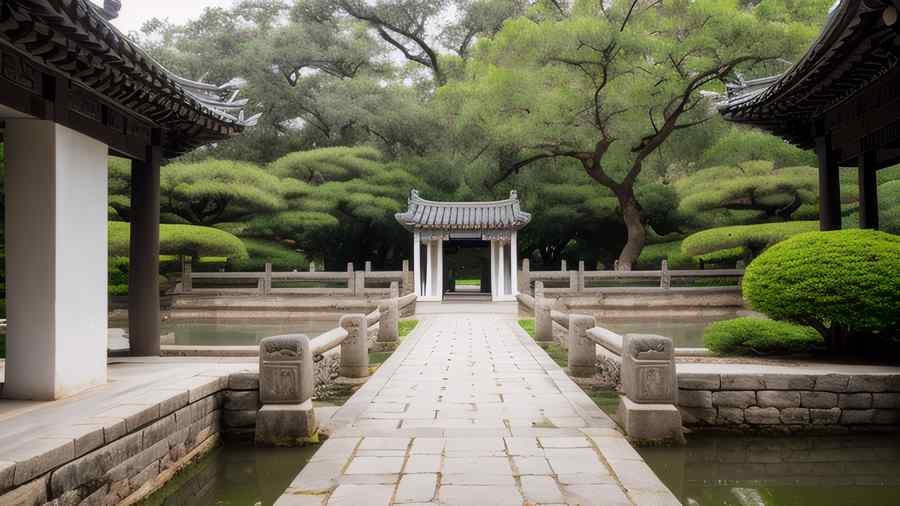
Southern Jiangsu is the most compact sightseeing country in China, and this loop takes advantage of that. My stages ran 85, 0, 50, 0, 100, 80 and 215 kilometres, so the longest day was the homeward one. Zhouzhuang is the water town everyone has photographed, and it is worth seeing at seven in the morning before the coaches. Wuxi sits on the north shore of Lake Tai and owns the headland from which the lake is best seen, plus a bronze Buddha that changed the skyline in 1997. Suzhou needs no introduction: its gardens are World Heritage and its oldest street is still a canal with houses on both sides. Changzhou keeps an imperial temple with a new pagoda and a strange honest piece of history behind the city, and Zhenjiang is the crossing point where the Grand Canal meets the Yangtze, with a temple on an island in the river. For Foreign Car Entry Self-Drive note that Suzhou's historic core and parts of Wuxi's lakefront carry traffic restrictions, that several sites need advance booking with a passport, and that parking inside a water town is not available at all; for this loop, Renting a Car in China as a Foreigner through a licensed agency in Shanghai or Suzhou is the comfortable answer, because the vehicle is already correct on paper and the agency tells you where each hotel expects you.
Trip overview
- Day 1 - Zhouzhuang to Wuxi, 85 km: an hour in the town at dawn, then the lake.
- Day 2 - Wuxi, 0 km on the loop: Yuantouzhu headland, Lingshan Buddha and the Grand Canal.
- Day 3 - Wuxi to Suzhou, 50 km: the Humble Administrator's Garden and Pingjiang Road.
- Day 4 - Suzhou, 0 km on the loop: the master gardens, the museum and the night canal.
- Day 5 - Suzhou to Changzhou, 100 km: the Tianning temple pagoda and the ancient earthworks.
- Day 6 - Changzhou to Zhenjiang, 80 km: Jinshan temple and the Western Ferry street.
- Day 7 - Zhenjiang back to Zhouzhuang, 215 km: home by the expressway with no hurry.
Total 530 km over seven days. The only hard driving is the last day. Fill up in Wuxi, Changzhou and Zhenjiang; the water town and the garden districts are walked, not driven.
Day 1 · Zhouzhuang to Wuxi, 85 km
Road
Be at the town gate by seven, since the coaches arrive at nine and the famous bridge is unusable by ten. Then west on the expressway to Wuxi, 85 km, about ninety minutes with one toll section. The lakefront approach is a single busy road at weekends; take the north line into the city and leave the car at the hotel.
Sights
Zhouzhuang is a town of two ponds joined by a network of canals, with the houses on stone quays and a covered bridge - the twin bridge of Shen and the arch beyond it - painted by a native son in the 1930s and shown at a world exhibition in Venice in 1984. Before eight in the morning the shopkeepers are still unrolling their shutters, and you can see the actual working town: women shelling water chestnuts on the quay, a boatman taking the night mooring off, a tea house sweeping its steps. By ten the boat queue starts and the experience changes, so the honest way to see Zhouzhuang is to sleep inside the walls and walk at dawn and at eight at night, when the lanterns are on and the day crowds have gone to the arcade hotels. The two house museums, the Shen family hall of the Ming and the Zhang hall of a government clerk's house with its canal running through it, are the best surviving interiors; both are entered through a lane narrow enough that a sedan chair turned sideways.
Food
Breakfast in the town at a canal-side kitchen: soup noodles with river snails, a pan-fried pastry with scallion and sesame, and a cup of the local green tea. For lunch on the road the farmhouse restaurants on the Wuxi side do lake fish steamed with ham and ginger, and a bowl of the soft tofu of Huishan.
Where to stay
Wuxi has good hotels along the lake and by the old canal. Park at the hotel, since most sightseeing is on foot or taxi from here.
Day 2 · Wuxi, 0 km on the loop
Road
No driving needed; a taxi is cheaper than looking for parking. If you do take the car to the lake headland, go before nine - the Yuantouzhu road carries thousands of cars on blossom weekends in March and April.
Sights
Yuantouzhu, the headland that juts into Lake Tai like a turtle's head, has been the fashionable view of this lake since the 1910s, when local gentry bought the shore and built gardens on it. The walk goes along stone embankments through pine and azalea to a peninsula with a pavilion at the end; from that pavilion you see the whole bay, and on clear days the hills of the far shore. In spring the cherry planting - some twenty thousand trees, a gift of exchange in the 1980s and earlier stock from Japanese nurseries - turns the headland pink, which is the single most photographed sight in Jiangsu. You can also take the boat out to the island in the bay and see the lake from the water. South-west of the city, Lingshan is a modern religious park built around a 1997 bronze statue of the standing Buddha, eighty-eight metres on a granite lotus base, with a hill behind carved with a thousand small figures and a great hall whose ceiling, walls and columns are carved, gilded and painted in a style that revives temple craft the region had lost; the daily performance at its pond and the vegetarian refectory draw big numbers, and the whole complex is run with museum-level care. Between the two, Wuxi's own history is on the canal: the Clear-Named Bridge quarter is the restored wharf street where the silk trade loaded, now a museum of the water lane with the warehouses and the boat steps intact.
Food
Wuxi cooks sweet: the soy-braised pork ribs of the old butchers, the oil doughnuts stuffed with meat, and the xiaolong steamed dumplings served with ginger and black vinegar. By the lake, ask for the three whites of Taihu - whitebait, white shrimp and the whitefish - steamed plainly. Finish with Huishan tofu pudding warm in the bowl.
Where to stay
Second night Wuxi. If you would rather shift one day, move today's Lingshan visit to day three morning and drive early; the gardens in Suzhou open at seven thirty.
Day 3 · Wuxi to Suzhou, 50 km
Road
Fifty kilometres on the expressway, an hour. Enter Suzhou from the north so that you can park outside the old wall and take the bus or walk in; private cars are discouraged inside the garden district and the lanes are not built for them.
Sights
Suzhou's gardens are the reason the city is on the world list. The Humble Administrator's Garden began in 1509 as the retreat of a dismissed official and is now the largest of them, a sequence of water courts, islands, covered walks and pavilions arranged so that no two views repeat; the trick is the borrowed outlook - a pagoda outside the wall is drawn into the composition through a gap between bamboo. The Lingering Garden, smaller and denser, is the connoisseur's choice, famous for a single taihu limestone peak that stands eleven metres in a courtyard and for the way its forty rooms are linked by zigzagging corridors so that the whole plan seems endless at first walk. Between them, Pingjiang Road is the survival that ordinary travellers remember best: a Song-dynasty street plan with a canal at its side, where the houses are still low, the doors still open onto the water, and the shops sell the things the quarter has always made - silk, fans, ink, and the little sweet shops with the lotus-seed soup. Sit on the bridge over the lane and you are looking at the same arrangement a map of 1229 shows.
Food
Suzhou eats the season and the knife: squirrel-shaped mandarin fish in sweet-sour sauce, shrimp with the spiral beans of Biluoshan, a bowl of duck-blood vermicelli soup with the offal cut thin, and for dessert the water caltrop and lotus-seed sweets of the autumn stalls. The breakfast habit is a plate of pan-fried buns with the skin laced crisp.
Where to stay
Stay inside the old wall near Pingjiang Road, at one of the converted mansion houses; they have few rooms, a courtyard, and parking arranged by the gate - ask the desk to reserve the slot when you book.
Day 4 · Suzhou, 0 km on the loop
Road
Walk or take the bus today. If you want the western hills and the terraced fields of tea, the drive out is thirty kilometres each way and the road up is narrow; do it early.
Sights
Start at the Suzhou Museum, the last building of a modern master, whose geometry of white wall and grey line is a lecture on how a contemporary form can sit beside a classical garden; the collection is small and excellent - paintings, jade, the working tools of the crafts that made this city rich - and the admission is free with a booked pass, which is the pattern you will meet at almost every site here. Then choose two more gardens rather than five: the Master of the Nets, tiny and perfect, and the Wangshi Garden, whose evening sessions with a small kunqu opera troupe singing in a courtyard are the best hour I have spent in the city. Afternoon on Shanxi Street, the restored market lane to the old western gate, where the silk shops, the hardware stores and the noodle houses are in the same row they have occupied for centuries; or take the boat on the canal that runs past the gates and the town wall lit at dusk. Add one sober note: Suzhou has an official list of historic streets and blocks with restoration rules, and the work on the canals, including the dredging and the re-routing of the water, is what makes a walk here possible at all.
Food
One proper Suzhou lunch, then eat cheap after: braised pork belly with preserved vegetables, eel fried with its bone crisped, a plate of crab-stuffed dumplings in season, and the green rice balls of spring. Suzhou is a tea city too - the Biluo spring green from the western hills is bought by the jin in the market and drunk at home.
Where to stay
Third night in Suzhou. Book the museum and the two big gardens several days ahead with your passport number; without a booked pass you can be turned away at the gate.
Day 5 · Suzhou to Changzhou, 100 km
Road
West on the expressway, 100 km, a little over an hour. Keep the car for today: the temple and the old earthworks are on opposite sides of the city and the links are industrial roads.
Sights
Changzhou has been on this route since the third century, when it was the garrison town of a southern kingdom, and its two landmarks show the difference between the city's piety and its memory. The Tianning temple, founded in the seventh century and called the front-rank cloister of the south, has a new pagoda completed in 2002 - thirteen storeys, one hundred and fifty-eight metres, the tallest timber-style tower in the world, with a bronze hall at its base and a museum of Buddha bones below; you go up by lift and see the whole city from the top gallery. Behind the town, at the Yancheng earthworks, is something rarer: three concentric rammed-earth walls and three water ditches from the Spring and Autumn period, seventh to fifth century BC, the best preserved city plan of its age in China, with the moats still full and the fields still lying inside the rings. It is a park, and it is also an argument: scholars have long disputed whether the outermost ditch was a defensive line or a hunting enclosure, and the museum states the debate plainly rather than settling it. For a third thing, the old quarter on Qingguo Lane - the street of the examination families, restored with its wells and its lane-stones - makes clear how small and how rich this city's gentry class was.
Food
Changzhou's own dishes are a bowl of thin white noodles in a clear broth, the layered sesame cake sold hot by the paper, and a pot of the salted duck of the neighbouring county. If the weather is cold, the vegetarian hall at the temple door sells its own noodle bowl.
Where to stay
Changzhou is the cheapest good hotel on this loop. The river-side district puts you near the night food street; the old quarter puts you near Qingguo Lane.
Day 6 · Changzhou to Zhenjiang, 80 km
Road
North-west across the Yangtze on the suspension bridge, 80 km, about an hour. The bridge is a toll crossing; keep a small note of the fee for your records, and note the truck lanes are on the right.
Sights
Zhenjiang is a city of water: the Yangtze by the north wall, the Grand Canal running through the middle of it, and in the river itself an island with a temple on it. Jinshan temple is the famous one - a complex built so that the halls encircle the hill and you see no ground from the water, which is the setting of the legend of the flooded temple and the monk who put his begging bowl in it; the pagoda, the Hall of Heaven Kings and the cave with the tiger dig are all reached by stair, and the view back to the city across the water is the reason to climb. Upstream, Jiaoshan is the quieter island, its hillside covered in bamboo and its temple courtyard holding a hall of steles, among them the fragments of the Inscription of the Buried Crane, sixth century, one of the most quoted pieces of calligraphy in China - the rock itself lies outdoors by the wall and the rubbing sellers have kept their stall by it for three hundred years. Then the town: the Western Ferry, the old landing where the canal met the river, is a stone-paved street climbing a hill past the Yuan-dynasty stone pagoda you walk under, the British consulate of the treaty-port years with its own museum, and the row of Qing shopfronts now housing tea houses and the museum of Zhenjiang's foundering boats. Waiting-for-the-Ferry Pavilion is where travellers stood to hire a boat; it is a small roof on a busy street, and it is nine hundred years old.
Food
Zhenjiang eats three things: vinegar from the Shanying brew houses, whose autumn fermentation you can smell from the street; the cold crystal pork jelly served in thin plates; and the noodles cooked under the wooden lid in the pot, with a bowl of river shrimp in season. Buy a bottle of the aged vinegar to take away.
Where to stay
Stay near the Western Ferry so you can walk down to the river at dusk. Parking is easier on the street above the lane than beside it.
Day 7 · Zhenjiang back to Zhouzhuang, 215 km
Road
The long day: south-east on the expressway, 215 km, a little over three hours. Leave after lunch and you arrive in the town for dinner; leave in the morning and stop in Suzhou on the way for a final tea.
Sights
If you have not closed the loop with a garden, spend the middle hour of this day in Changzhou's museum of regional history, or in Suzhou's west quarter, where the canal turns south and the old grain warehouses have become bookshops and coffee houses. Then the plain of ponds: on the last hour the expressway crosses the lake country south of Suzhou, and you pass a sequence of water towns on your right - Tongli, with its ring of five lakes and its Retusi garden; Jinxi, whose bridge count is the highest of any township in the delta; Zhouzhuang itself from the outside, its roofs visible over the fields. It is a good final sight, because the whole loop began with those roofs and you now know what is inside them and what it took to keep the water out.
Food
Eat late in Zhouzhuang at the boat-shed restaurant by the south gate: the braised pork knuckle of the town, a plate of eel fried crisp, the small river snails boiled with ginger, and a bowl of the water-chestnut soup the town sells in autumn.
Where to stay
The loop closes where it started. If you are returning the car in Shanghai, allow a final ninety minutes; the agency's yard in Suzhou or Kunshan is a better choice at this hour.
Practical tips
- Suzhou's major gardens and the museum require a booked pass with your passport number; book days ahead.
- Zhouzhuang is best at seven in the morning and after eight at night; the coach crowds arrive between ten and four.
- Yuantouzhu's cherry weeks in March and April are the most congested driving in this province; go on a weekday.
- Park outside Suzhou's old wall and walk in; the lanes were not built for cars and there is no parking inside.
- Lingering Garden and the Master of the Nets open early; the midday light is good for photography and the crowds worst.
- For this canal loop, Foreign Car Entry Self-Drive adds restrictions you do not need; Renting a Car in China as a Foreigner through a licensed agency is simpler at the gates.
About this route
Seven days at 530 kilometres is a garden-and-canal week rather than a road trip, which suits southern Jiangsu: nothing here is more than an hour from anything else. With five days, drop Changzhou and give the extra time to Suzhou's west quarter and Tongli. With nine, add Nantong across the river for its old textile houses and the Zhang Jian memorial, and Yixing for its pottery kilns and bamboo caves.
Distances follow the toll tickets and the exit boards of this drive. Booking rules at the gardens and museums, and the boat timetables at the lake and canal, were checked on the official sites and change with the season.
Route notes by Zara, Yunnan Province International Travel Agency (Group) Co., Ltd.