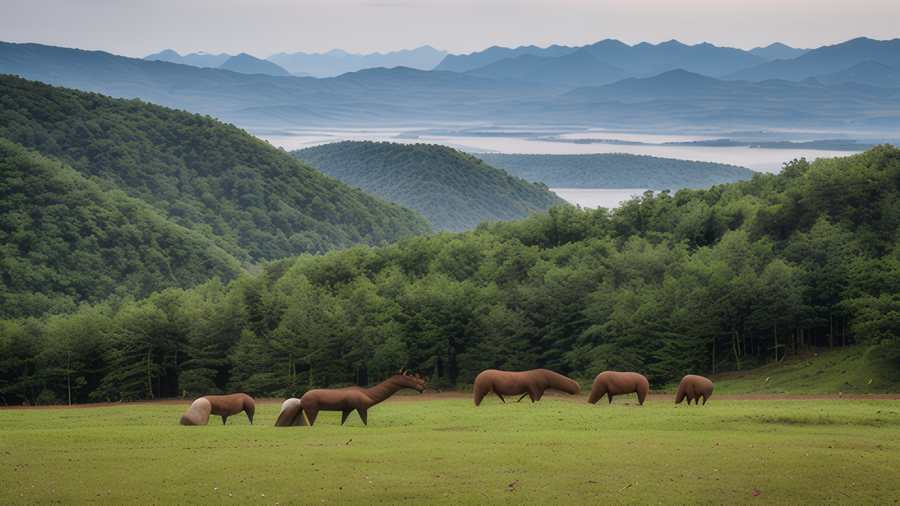
There are two ways to drive in China. One is Foreign Car Entry Self-Drive: your own vehicle is cleared through a land border such as Mohan or Khorgos, gets a temporary plate and the paperwork is finished at the crossing. The other is Renting a Car in China as a Foreigner: you fly in, collect a car in Chang Sha, and you need only your passport, your home licence and a Chinese temporary driving permit. Both work on this Hunan route; the only difference is where the car comes from.
Trip overview
- Day 1: Chang Sha to Yi Yang, 80 km: Ming Qing Gu Xiang, Huang Jia Hu
- Day 2: around Yi Yang: Ming Qing Gu Xiang, Huang Jia Hu
- Day 3: Yi Yang to Tao Hua Yuan, 115 km: Tao Hua Yuan Jing, Qin Ren
- Day 4: around Tao Hua Yuan: Tao Hua Yuan Jing, Qin Ren
- Day 5: Tao Hua Yuan to Zhang Jia Jie, 125 km: Tian Men Shan, Wu Ling Yuan
- Day 6: around Zhang Jia Jie: Tian Men Shan, Wu Ling Yuan
- Day 7: Zhang Jia Jie to Wu Ling Yuan, 30 km: Yuan Jia Jie, Jin Bian Xi
- Day 8: around Wu Ling Yuan: Yuan Jia Jie, Tian Zi Shan, Jin Bian Xi
- Day 9: Wu Ling Yuan to Fu Rong, 120 km: Fu Rong, Meng Dong He
- Day 10: Fu Rong to Huai Hua, 155 km: Zhi Jiang Shou Xiang Fang, Hong Jiang Gu Shang Cheng
- Day 11: Huai Hua to Chang Sha, 365 km, return leg
Total distance is 990 km, about 90 km a day, leaving the rest of the time for sights and food. A good fit for families and for a first self-drive in China.
Day 1: Chang Sha to Yi Yang, 80 km
Road
From Chang Sha to Yi Yang is 80 km, motorway first then provincial road, about two hours. mountains in the west, hills in the middle and the lake plain to the north. Bends cluster at the passes: lift off before the corner, never overtake inside it. The same road suits a foreign car entry self-drive car: junctions and attraction car parks are wide enough, and a temporary plate is easiest through the staffed toll lane.
Sights
The Ming Qing Gu Xiang is not a big sight but locals all have something to say about it. It is quiet and shaded, a good place to stop and drink water between two driving legs. Signage at the turn-off is poor, so follow the map to the village and ask once. The Huang Jia Hu is wide open water with a ring road of several dozen kilometres and plenty of places to stop. The shoreline is grass slope and gravel beach; wind is strong and the light changes fast at sunrise and sunset. Some sections are narrow, so find a wide spot early when meeting traffic.
Food
Food here is plain and generous. rice noodles is the local breakfast or lunch standby; steamed fish head with chili is better shared, recipes varying from shop to shop; fermented tofu works as a snack on the move. Check the price board first.
Where to stay
Stay in Yi Yang town for the simplest night: ground-level parking, steady hot water and a quick exit onto the motorway next morning. Guesthouses near the attraction have more character but few rooms, so book ahead in season.
Day 2: around Yi Yang
Road
Today is about 40 km of local driving around Yi Yang, no rush and no long legs. Attraction car parks charge per entry and fill early on holidays. mountains in the west, hills in the middle and the lake plain to the north.
Sights
The Ming Qing Gu Xiang is a small local landmark, half an hour to walk round, with parking and a kiosk nearby and normal road access for an ordinary car. The old pieces in the courtyard carry clear labels, and it fills up on market days. The Huang Jia Hu is wide open water with a ring road of several dozen kilometres and plenty of places to stop. The shoreline is grass slope and gravel beach; wind is strong and the light changes fast at sunrise and sunset. Some sections are narrow, so find a wide spot early when meeting traffic.
Food
In Yi Yang, join the queue where locals queue. rice noodles is made to order and eaten at once; steamed fish head with chili loses half its texture cold; fermented tofu travels well as a small gift. Dinner is cheaper in the old streets and markets than at the attraction gate.
Where to stay
This night suits the edge of Yi Yang, easy in and out with dinner close by. Chain hotels usually park free; ask a guesthouse whether the space is on the street. Families do better on the ground floor or with a lift.
Day 3: Yi Yang to Tao Hua Yuan, 115 km
Road
From Yi Yang to Tao Hua Yuan is 115 km, motorway first then provincial road, about two hours. mountains in the west, hills in the middle and the lake plain to the north. Bends cluster at the passes: lift off before the corner, never overtake inside it.
Sights
The Tao Hua Yuan Jing is a small local landmark, half an hour to walk round, with parking and a kiosk nearby and normal road access for an ordinary car. The old pieces in the courtyard carry clear labels, and it fills up on market days. The Qin Ren is a well-preserved old village of local stone and rammed earth, narrow lanes and high thresholds. People still live here, so walk quietly and do not push open doors. Eaves, window lattices, threshing floors, wells and the ancestral hall all sit where they always were.
Food
Food here is plain and generous. rice noodles is the local breakfast or lunch standby; steamed fish head with chili is better shared, recipes varying from shop to shop; fermented tofu works as a snack on the move. Check the price board first.
Where to stay
Stay in Tao Hua Yuan town for the simplest night: ground-level parking, steady hot water and a quick exit onto the motorway next morning. Guesthouses near the attraction have more character but few rooms, so book ahead in season.
Day 4: around Tao Hua Yuan
Road
Today is about 40 km of local driving around Tao Hua Yuan, no rush and no long legs. Attraction car parks charge per entry and fill early on holidays. mountains in the west, hills in the middle and the lake plain to the north.
Sights
The Tao Hua Yuan Jing is a small local landmark, half an hour to walk round, with parking and a kiosk nearby and normal road access for an ordinary car. The old pieces in the courtyard carry clear labels, and it fills up on market days. The Qin Ren is a well-preserved old village of local stone and rammed earth, narrow lanes and high thresholds. People still live here, so walk quietly and do not push open doors. Eaves, window lattices, threshing floors, wells and the ancestral hall all sit where they always were.
Food
In Tao Hua Yuan, join the queue where locals queue. rice noodles is made to order and eaten at once; steamed fish head with chili loses half its texture cold; fermented tofu travels well as a small gift. Dinner is cheaper in the old streets and markets than at the attraction gate.
Where to stay
This night suits the edge of Tao Hua Yuan, easy in and out with dinner close by. Chain hotels usually park free; ask a guesthouse whether the space is on the street. Families do better on the ground floor or with a lift.
Day 5: Tao Hua Yuan to Zhang Jia Jie, 125 km
Road
From Tao Hua Yuan to Zhang Jia Jie is 125 km, motorway first then provincial road, about two hours. mountains in the west, hills in the middle and the lake plain to the north. Bends cluster at the passes: lift off before the corner, never overtake inside it.
Sights
The Tian Men Shan is one of the highest peaks in the area. The road climbs in bends but is not steep, fine for an ordinary sedan. A platform halfway up looks over the valley, and fifteen minutes more on foot brings you to the top. The Wu Ling Yuan is a memorial museum, free or cheap with a passport at the desk. Displays run in chronological order with objects, photographs and manuscripts, two hours if you read everything. It usually closes on Mondays, and bags go through a scanner.
Food
Food here is plain and generous. rice noodles is the local breakfast or lunch standby; steamed fish head with chili is better shared, recipes varying from shop to shop; fermented tofu works as a snack on the move. Check the price board first.
Where to stay
Stay in Zhang Jia Jie town for the simplest night: ground-level parking, steady hot water and a quick exit onto the motorway next morning. Guesthouses near the attraction have more character but few rooms, so book ahead in season.
Day 6: around Zhang Jia Jie
Road
Today is about 40 km of local driving around Zhang Jia Jie, no rush and no long legs. Attraction car parks charge per entry and fill early on holidays. mountains in the west, hills in the middle and the lake plain to the north.
Sights
The Tian Men Shan can be reached by cable car or by a winding road; park at the gate and take the shuttle. The summit is bare granite and the ridge line runs for tens of kilometres on a clear day. Wind at the top is strong even in summer, and the road is slippery after rain. The Wu Ling Yuan is a memorial museum, free or cheap with a passport at the desk. Displays run in chronological order with objects, photographs and manuscripts, two hours if you read everything. It usually closes on Mondays, and bags go through a scanner.
Food
In Zhang Jia Jie, join the queue where locals queue. rice noodles is made to order and eaten at once; steamed fish head with chili loses half its texture cold; fermented tofu travels well as a small gift. Dinner is cheaper in the old streets and markets than at the attraction gate.
Where to stay
This night suits the edge of Zhang Jia Jie, easy in and out with dinner close by. Chain hotels usually park free; ask a guesthouse whether the space is on the street. Families do better on the ground floor or with a lift.
Day 7: Zhang Jia Jie to Wu Ling Yuan, 30 km
Road
From Zhang Jia Jie to Wu Ling Yuan is 30 km on city and suburban roads, many junctions and low limits. Leave outside the rush hour and fill up before you set out.
Sights
The Yuan Jia Jie is a small local landmark, half an hour to walk round, with parking and a kiosk nearby and normal road access for an ordinary car. The old pieces in the courtyard carry clear labels, and it fills up on market days. The Jin Bian Xi is a small local landmark, half an hour to walk round, with parking and a kiosk nearby and normal road access for an ordinary car. The old pieces in the courtyard carry clear labels, and it fills up on market days.
Food
Food here is plain and generous. rice noodles is the local breakfast or lunch standby; steamed fish head with chili is better shared, recipes varying from shop to shop; fermented tofu works as a snack on the move. Check the price board first.
Where to stay
Stay in Wu Ling Yuan town for the simplest night: ground-level parking, steady hot water and a quick exit onto the motorway next morning. Guesthouses near the attraction have more character but few rooms, so book ahead in season.
Day 8: around Wu Ling Yuan
Road
Today is about 40 km of local driving around Wu Ling Yuan, no rush and no long legs. Attraction car parks charge per entry and fill early on holidays. mountains in the west, hills in the middle and the lake plain to the north.
Sights
The Yuan Jia Jie is not a big sight but locals all have something to say about it. It is quiet and shaded, a good place to stop and drink water between two driving legs. Signage at the turn-off is poor, so follow the map to the village and ask once. The Tian Zi Shan is one of the highest peaks in the area. The road climbs in bends but is not steep, fine for an ordinary sedan. A platform halfway up looks over the valley, and fifteen minutes more on foot brings you to the top. The Jin Bian Xi is not a big sight but locals all have something to say about it. It is quiet and shaded, a good place to stop and drink water between two driving legs. Signage at the turn-off is poor, so follow the map to the village and ask once.
Food
In Wu Ling Yuan, join the queue where locals queue. rice noodles is made to order and eaten at once; steamed fish head with chili loses half its texture cold; fermented tofu travels well as a small gift. Dinner is cheaper in the old streets and markets than at the attraction gate.
Where to stay
This night suits the edge of Wu Ling Yuan, easy in and out with dinner close by. Chain hotels usually park free; ask a guesthouse whether the space is on the street. Families do better on the ground floor or with a lift.
Day 9: Wu Ling Yuan to Fu Rong, 120 km
Road
From Wu Ling Yuan to Fu Rong is 120 km, motorway first then provincial road, about two hours. mountains in the west, hills in the middle and the lake plain to the north. Bends cluster at the passes: lift off before the corner, never overtake inside it.
Sights
The Fu Rong main street is short, an hour end to end, but the lanes branch into courtyards and workshops. The slabs are worn shiny and slippery in rain, and shopfront boards are taken down one by one to make counters. The Meng Dong He sends cool air out of its mouth from ten metres away. The main passage takes forty minutes, with curtains and columns named by the guide. No flash inside and the damp fogs up a lens.
Food
Food here is plain and generous. rice noodles is the local breakfast or lunch standby; steamed fish head with chili is better shared, recipes varying from shop to shop; fermented tofu works as a snack on the move. Check the price board first.
Where to stay
Stay in Fu Rong town for the simplest night: ground-level parking, steady hot water and a quick exit onto the motorway next morning. Guesthouses near the attraction have more character but few rooms, so book ahead in season.
Day 10: Fu Rong to Huai Hua, 155 km
Road
From Fu Rong to Huai Hua is 155 km, motorway first then provincial road, about two hours. mountains in the west, hills in the middle and the lake plain to the north. Bends cluster at the passes: lift off before the corner, never overtake inside it.
Sights
The Zhi Jiang Shou Xiang Fang is not a big sight but locals all have something to say about it. It is quiet and shaded, a good place to stop and drink water between two driving legs. Signage at the turn-off is poor, so follow the map to the village and ask once. The Hong Jiang Gu Shang Cheng is a small local landmark, half an hour to walk round, with parking and a kiosk nearby and normal road access for an ordinary car. The old pieces in the courtyard carry clear labels, and it fills up on market days.
Food
In Huai Hua, join the queue where locals queue. rice noodles is made to order and eaten at once; steamed fish head with chili loses half its texture cold; fermented tofu travels well as a small gift. Dinner is cheaper in the old streets and markets than at the attraction gate.
Where to stay
This night suits the edge of Huai Hua, easy in and out with dinner close by. Chain hotels usually park free; ask a guesthouse whether the space is on the street. Families do better on the ground floor or with a lift.
Day 11: Huai Hua to Chang Sha, 365 km (return leg)
Road
The return leg is 365 km, mostly motorway, so budget generously. Refuel before handing the car back, check mileage and condition against the contract and photograph any scratch; if you are taking your own car out through a border port, do not leave it to late afternoon and allow one to two hours for clearance and inspection.
Sights
No sightseeing is planned on the return leg; stop wherever it looks worth it and budget the time generously. Refuel before handing the car back, photograph any scratch, return keys and contract together and keep the receipt for the deposit the rental company holds. If you are taking your own car out through a border port, allow one to two hours for clearance and inspection and do not leave it to late afternoon; queue length varies, so have your luggage and vehicle inventory list ready. Stop every two hours, and avoid provincial roads after dark, when glare and bend judgment are both worse. At the hotel, look over tomorrow's route and note where fuel and breakfast are.
Food
Food here is plain and generous. rice noodles is the local breakfast or lunch standby; steamed fish head with chili is better shared, recipes varying from shop to shop; fermented tofu works as a snack on the move. Check the price board first.
Practical tips
- Documents: carry your passport, needed at hotel desks and ticket windows; China does not recognise an international driving permit, so a foreign licence needs a Chinese translation plus a temporary Chinese licence.
- Phone: install WeChat and a Chinese map app. Fuel, parking and tickets are mostly paid by QR code; a few hundred yuan in cash covers village stalls.
- Fuel: service areas all have stations, but in mountains and grazing country two stations can be a hundred kilometres apart, so fill up at half a tank.
- Weather: mountains in the west, hills in the middle and the lake plain to the north, and conditions change fast; keep a jacket and rain gear in the car all year.
- Driving habits: slow down through villages and towns, never overtake in a bend, avoid provincial roads at night, and stop every two hours on a long day.
- Whether this is a foreign car entry self-drive trip or a rental picked up after landing, the whole route is paved and an ordinary sedan is enough; no 4x4 needed.
About this route
Distances here are map estimates, so treat them as guidance and check live conditions on the day. Opening hours and accommodation change with the season, so confirm the night before. Most tickets can be bought on site; for busy attractions book online a day ahead and enter your passport number exactly as printed. If you meet roadworks or a closure, follow the signs and detour rather than push through.
What this road gives you is places as they actually are: steam over a morning market, wind at a pass, lights at a village gate by dusk. Slow down and most of the good things are already at the roadside.